
Indoor plants
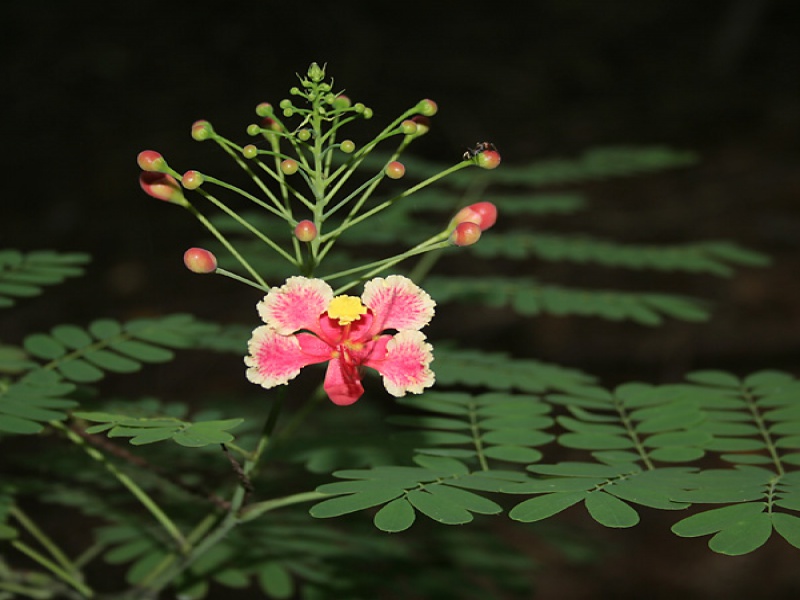
Caesalpinia
Caesalpinia
Members of the genus are trees and shrubs, sometimes lianas (climbing shrubs), often spiny, with bipinnate leaves.
Catalogue of imported encyclopedia entries.
Indoor plants
Caesalpinia
Members of the genus are trees and shrubs, sometimes lianas (climbing shrubs), often spiny, with bipinnate leaves.
Indoor plants
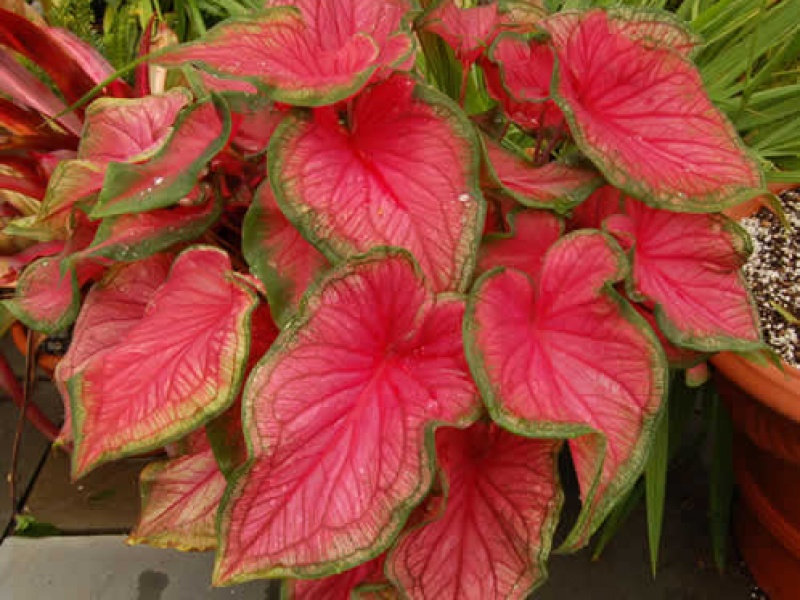
Caladium
Native to South America. There are 15 species in the wild. Leaf edges brown, petioles droop, leaves curl — if it is too cold. The plant does not tolerate temperatures below 16°C and cannot stand drafts.
Indoor plants
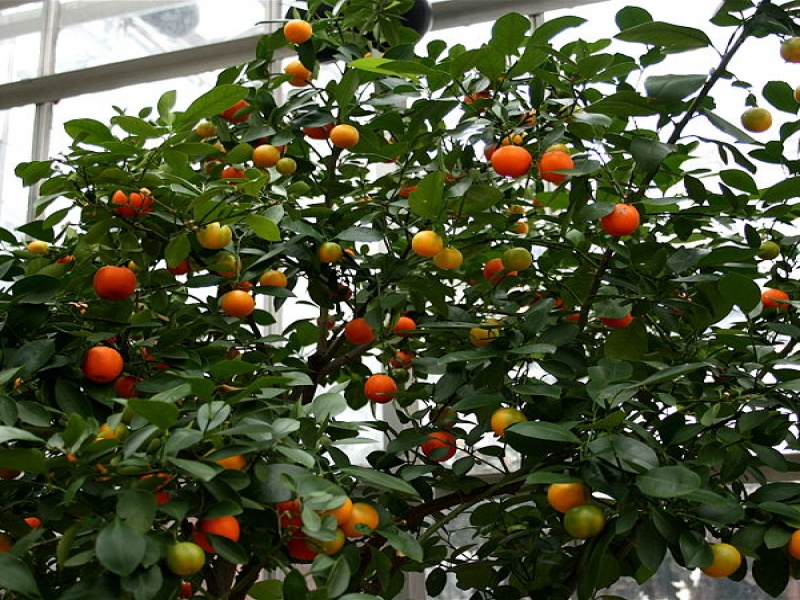
Citrus х microcarpa
It is an evergreen compact plant with small glossy dark-green leaves that have a pleasant fragrance. The flowers are white and very fragrant. The fruits are small, resembling tiny tangerines, with a thin orange fragrant…
Indoor plants
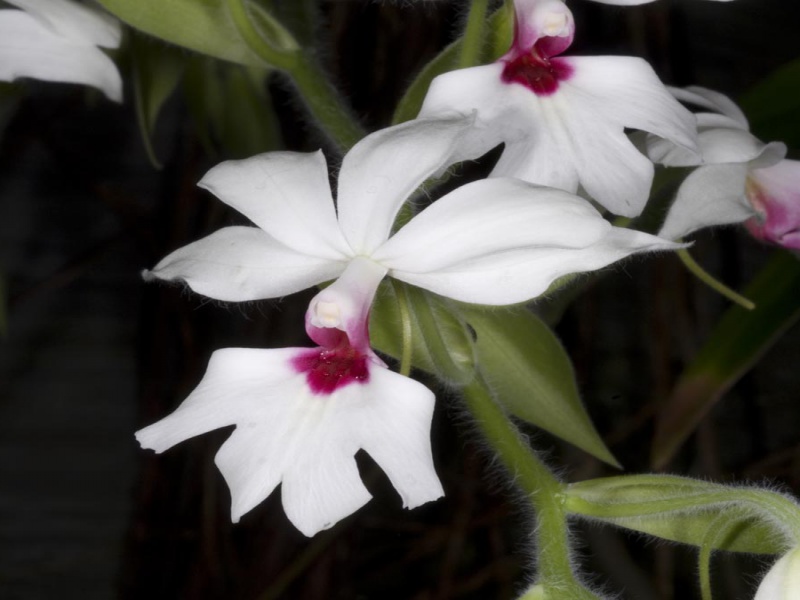
Calanthe
The genus Calanthe includes over 150 terrestrial, rarely epiphytic species, distributed from South Africa and the island of Madagascar to Japan, the tropical regions of Asia, the islands of the Malay Archipelago and Aus…
Indoor plants
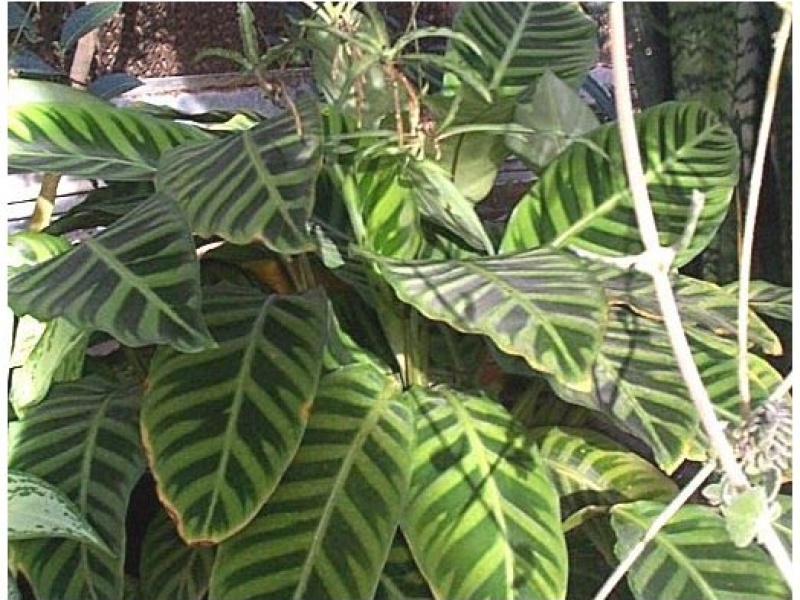
Calathea
Native to the humid tropical regions of South America. It is a decorative-leaved perennial rhizomatous plant about 70–80 cm tall.
Indoor plants
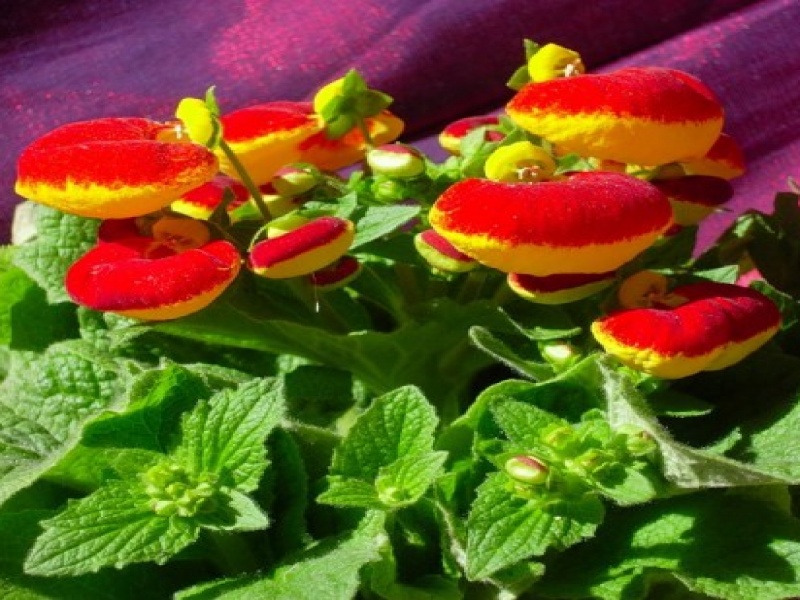
Calceolaria
The genus name comes from the Latin calceolatus — slipper — from the shape of the two-lipped distinctive flower. There are about 200 species of this plant in the wild.
Indoor plants
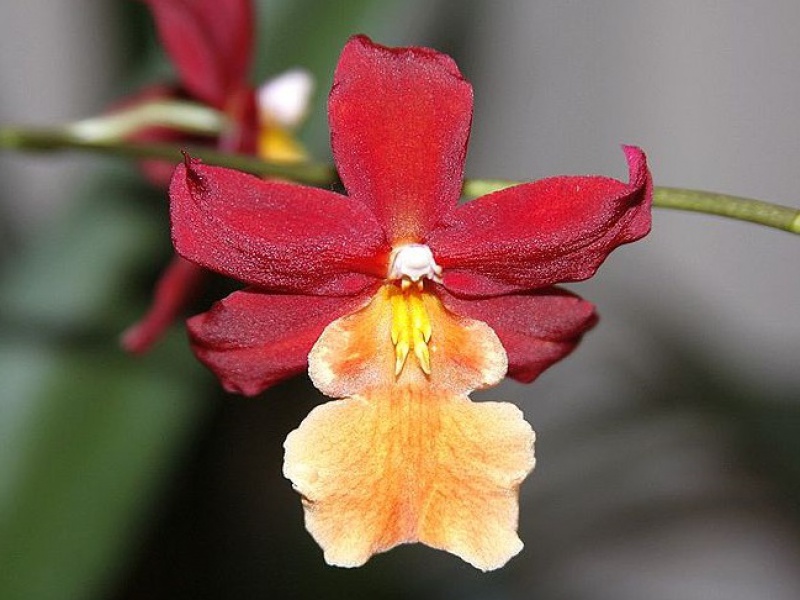
Orchidaceae Cambria
Cambria, more precisely Vuylstekeara Cambria "Plush", which sellers and florists simply abbreviate as Cambria, is a hybrid of the genus Vuylstekeara, produced by crossing orchids of the genera Cochlioda x Miltonia x Odo…
Indoor plants
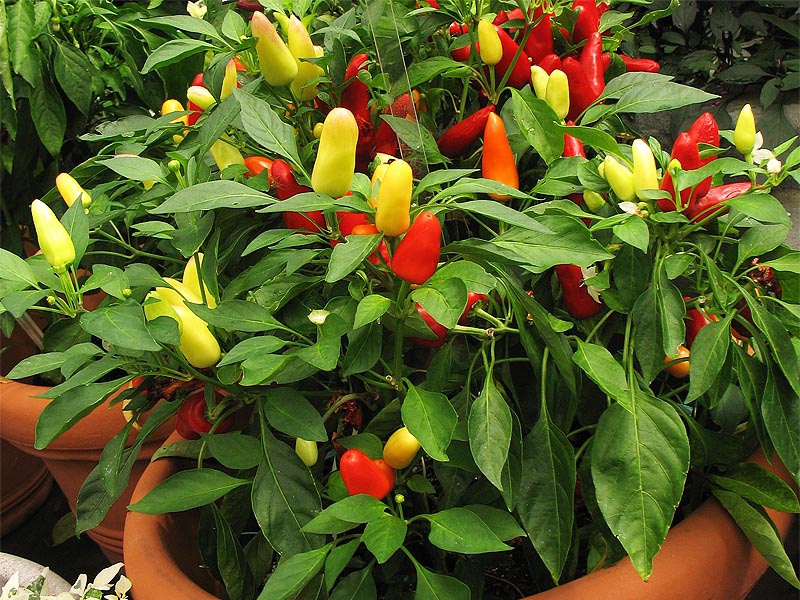
Capsicum
Perennial subshrub, in cultivation — an annual vegetable plant. Stem branched, woody at the base, 30 to 130 cm tall. Leaves simple, with long or short petioles, solitary or gathered in a rosette, from green to olive-bla…
Indoor plants
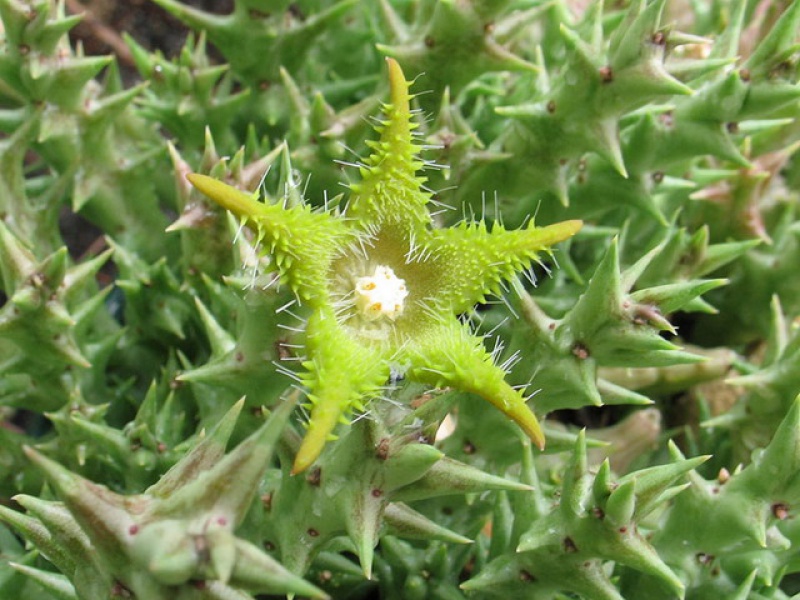
CARALLUMA R.Br.
Occur on sandy and rocky soils, usually in the shade of xerophytic shrubs, and only some species in open sunny places.
Indoor plants
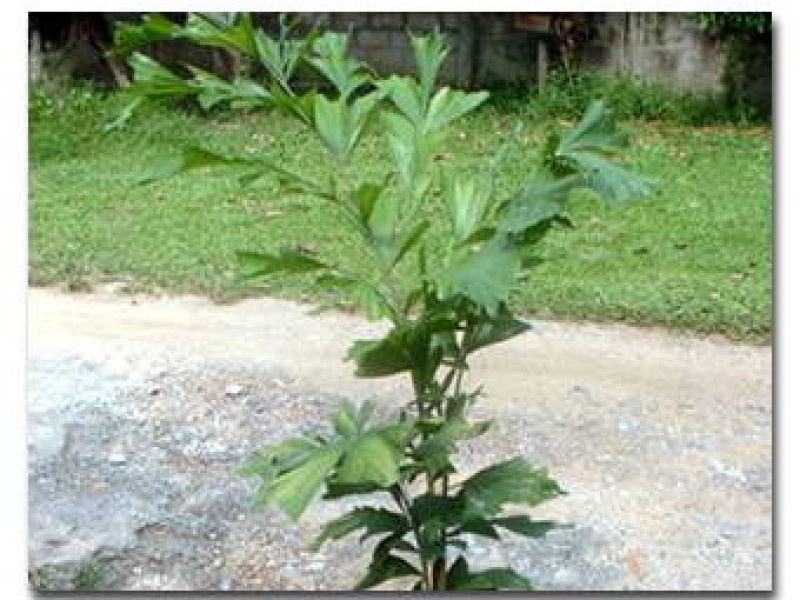
Caryota
Caryota mitis - or the "fishtail" palm, is distinguished by its characteristic leaf structure - the leaf has somewhat torn-looking edges and is drooping, which makes it resemble a fish tail.
Indoor plants
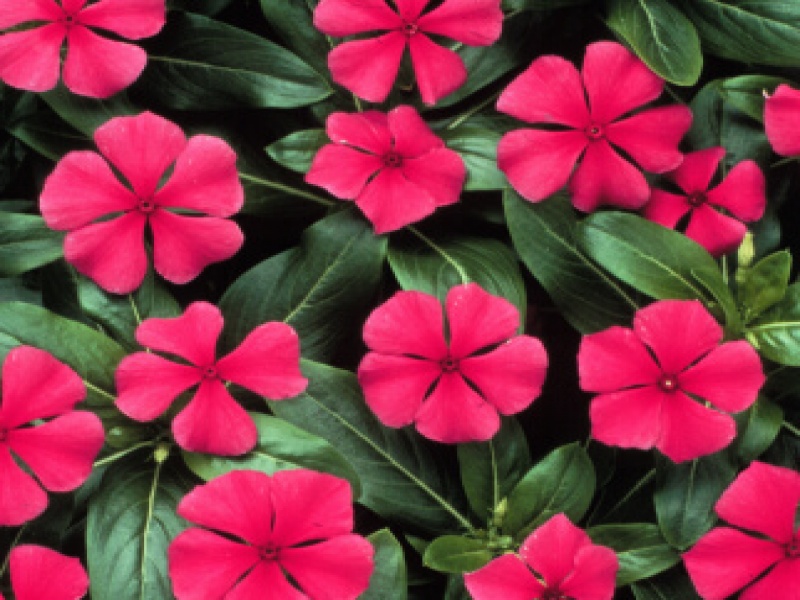
Catharanthus
Native to humid tropical forests, primarily the island of Madagascar. Only five species of this attractively flowering plant occur in nature. In cultivation the species Catharanthus roseus (pink catharanthus or pink per…
Indoor plants
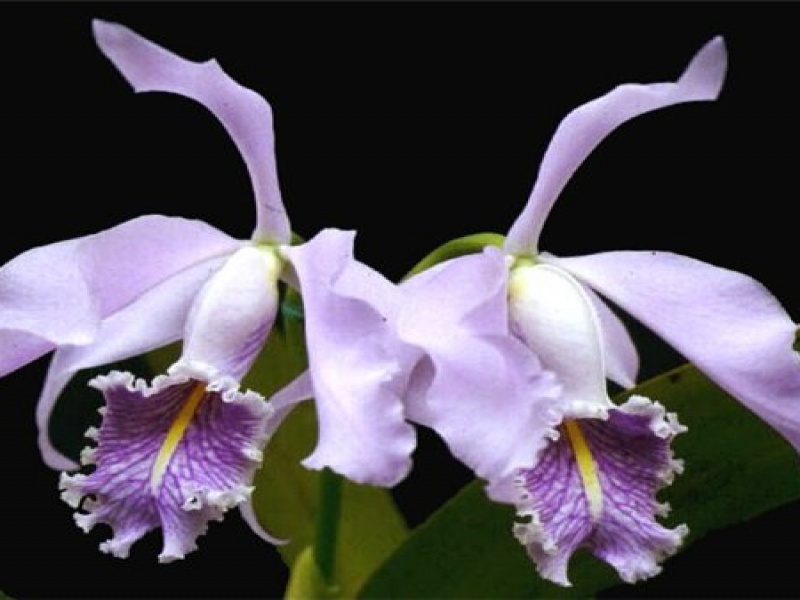
Cattleya
Cattleyas are epiphytic plants with a pronounced above-ground rhizome. In the wild there are about 70 species, and the various hybrids produced by biologists from interspecific crosses, as well as crosses with orchids o…
Indoor plants
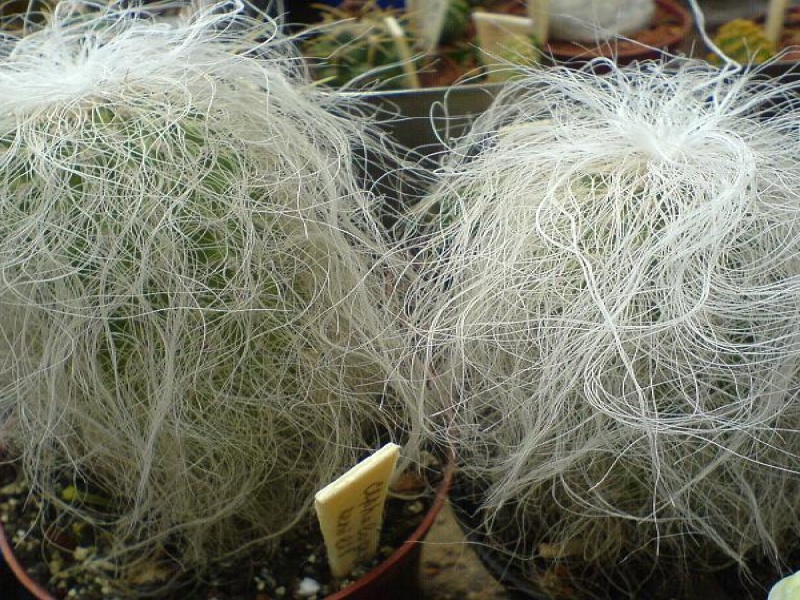
Cephalocereus
Native to Mexico. Of the Cephalocereus, which number about 50 species, only one species has become widespread — the old man Cephalocereus - C. senilis. This cactus is popularly called "old man\'s head", which correspond…
Indoor plants
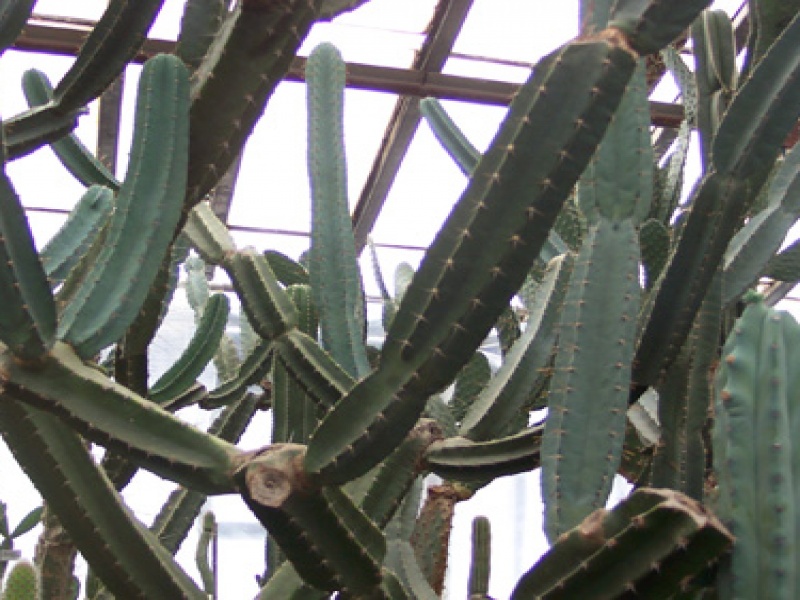
Cereus
Family Cactaceae. Most representatives of this genus are too large and therefore unsuitable for growing in apartments, but the few species that are cultivated as houseplants are much loved by cactus enthusiasts for thei…
Indoor plants
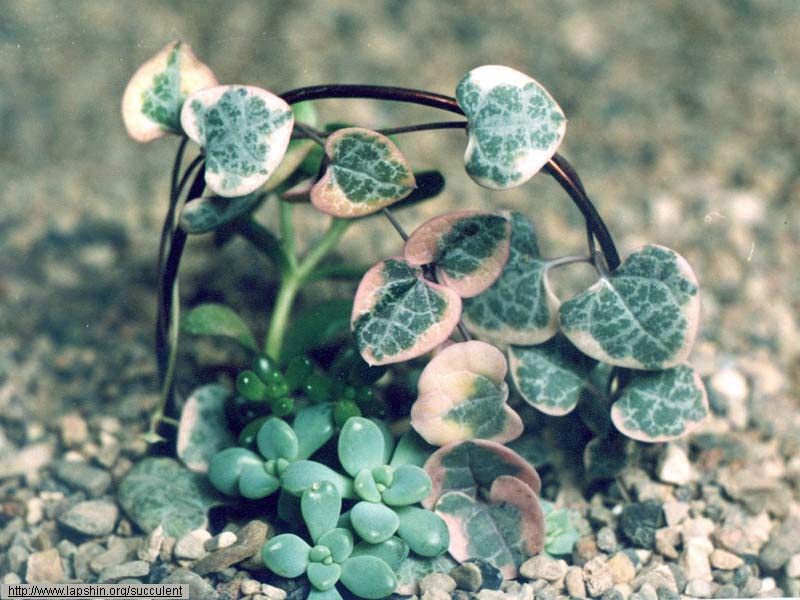
Ceropegia
The most widespread is Ceropegia woodii — a succulent, as evidenced by its thick opposite small heart-shaped to rounded fleshy leaves, silvery-marbled above in light and dark green, and whitish to pale greenish beneath,…
Indoor plants
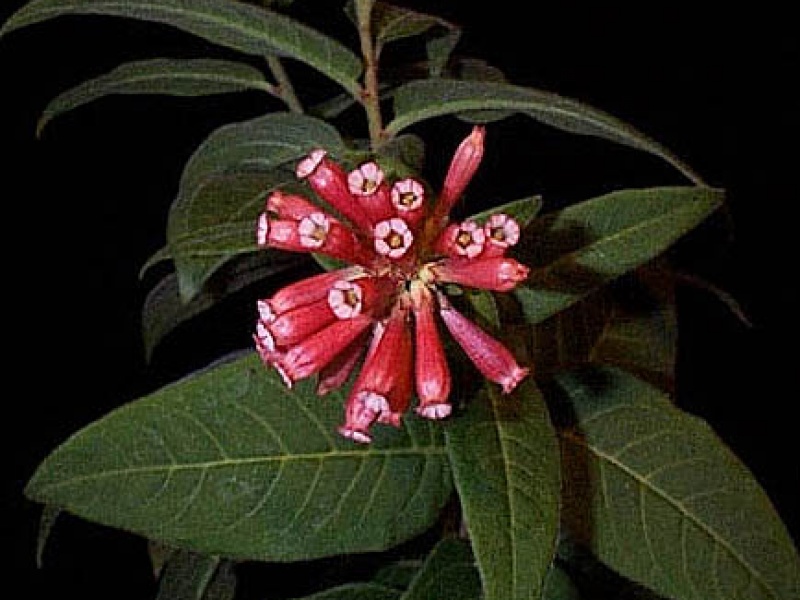
Cestrum
Native to the tropics and subtropics of Central and South America and Mexico. About 150 species of evergreen and deciduous shrubs and small trees occur in nature.
Indoor plants
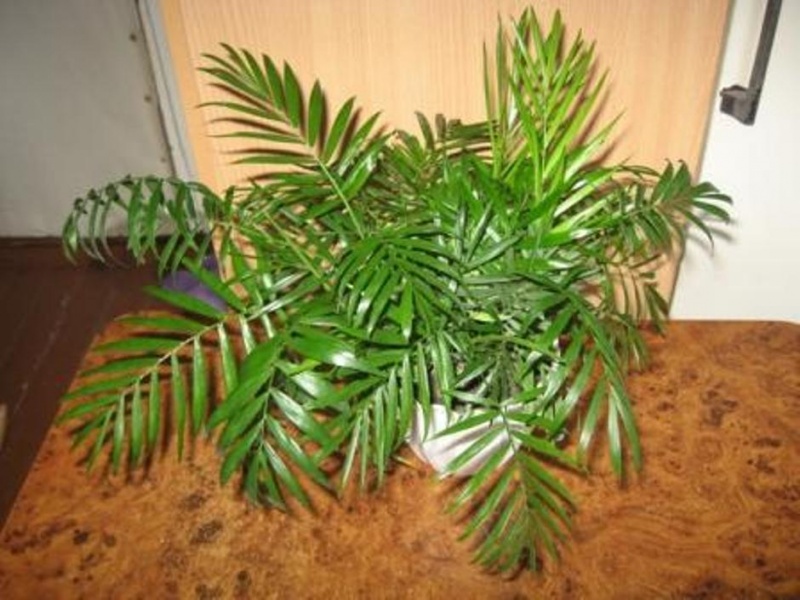
Chamaedorea
This is one of the most suitable palms for indoor cultivation, as it grows fairly slowly and tolerates some shading well.
Indoor plants
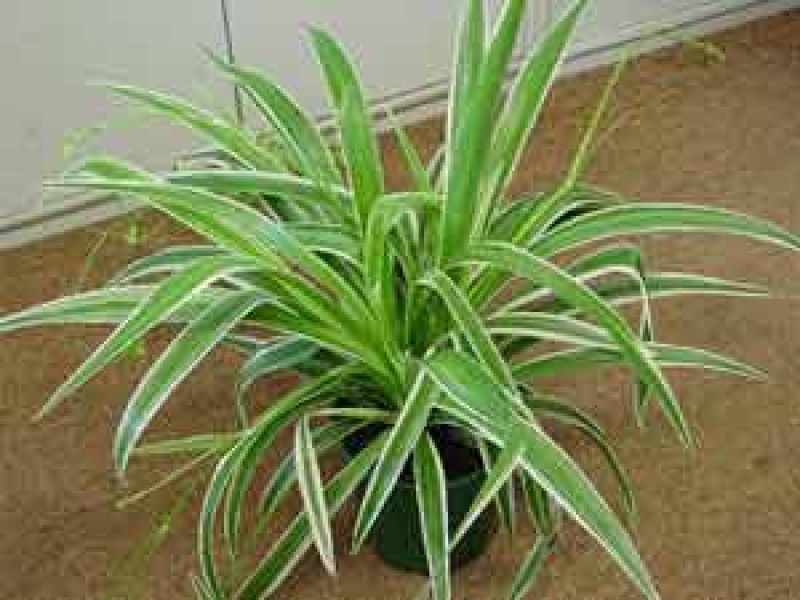
Chlorophytum
Chlorophytum is one of the most common houseplants. It's not surprising: it grows quickly, has beautiful arching leaves, and in spring and summer small white flowers first appear on thin stems, followed by tiny rosettes…
Indoor plants
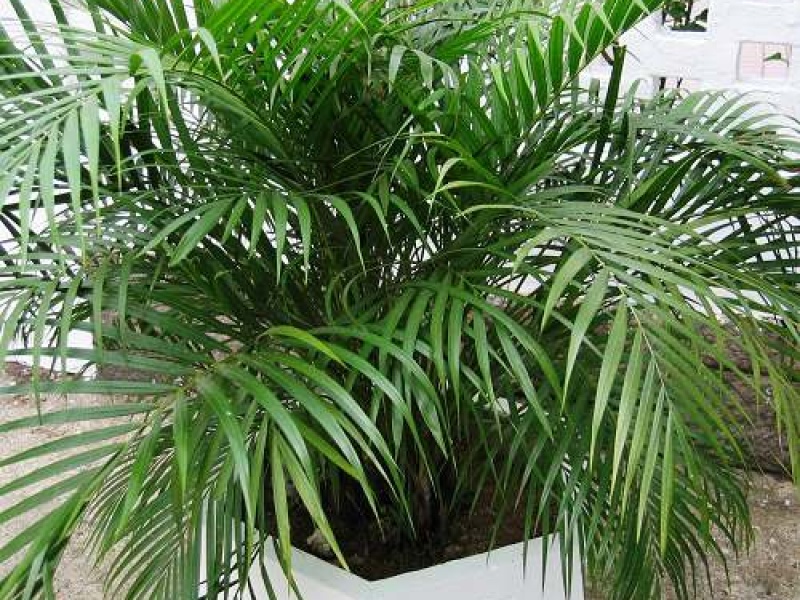
Chrysalidocarpus
Native to the island of Madagascar and the Comoro Islands. This palm is notable for its pronounced clustering — the fronds branch abundantly at the base and the plant looks very striking.
Indoor plants
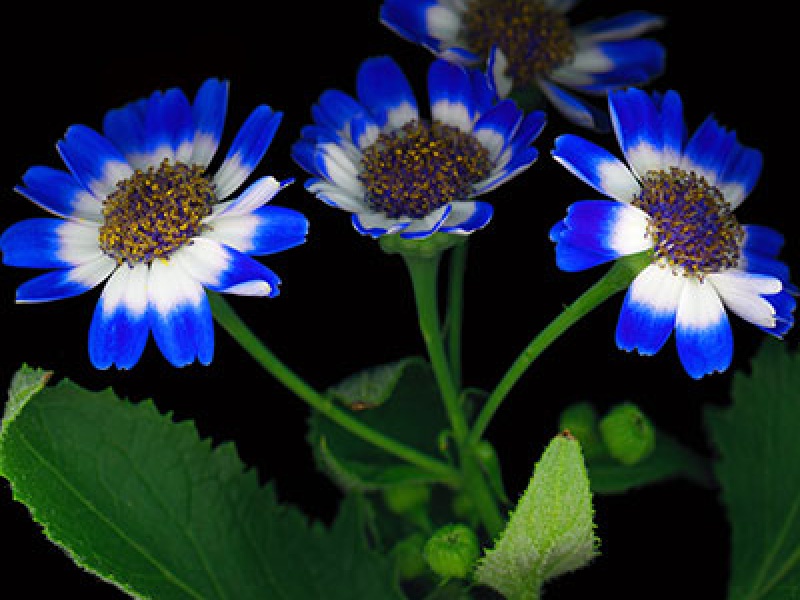
Cineraria
Canary Islands. The correct name is bloody ragwort - Senecio cruentus. This is an ornamental flowering plant; many hybrid forms are common in cultivation.
Indoor plants
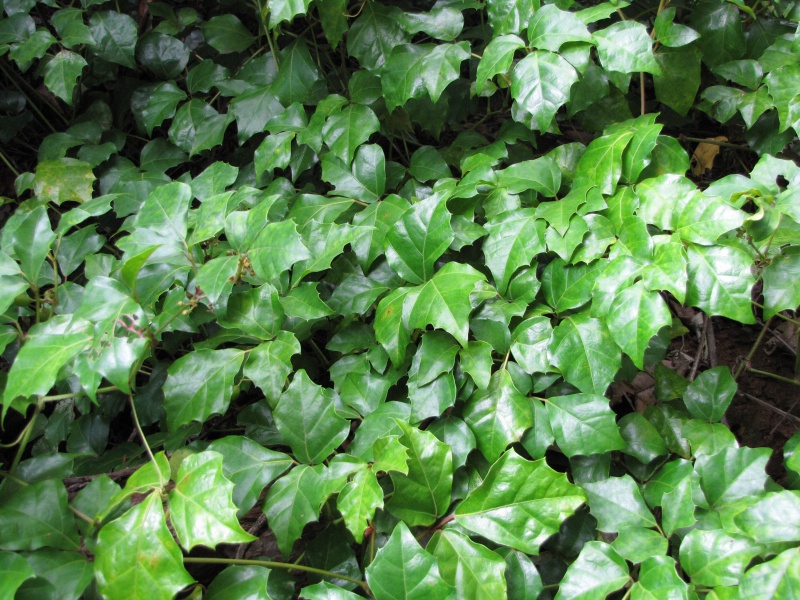
Cissus
Native to the tropical and sometimes subtropical regions of the Americas, Australia and Asia. About 350 species occur in nature. These are evergreen vines that can be grown as trailing (ampel) plants or trained on a sup…
Indoor plants
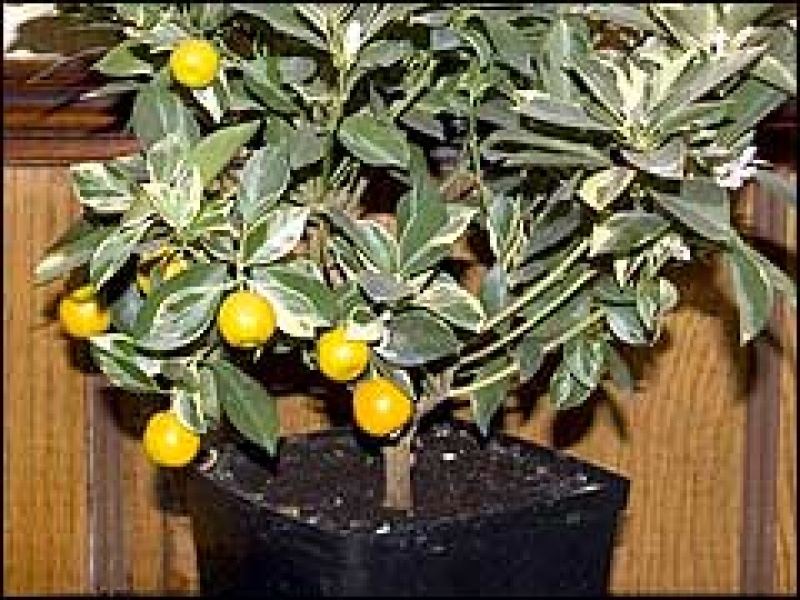
Calamondin
A very popular potted citrus plant - a hybrid between a mandarin and a kumquat (oval or golden orange). This plant is a small tree producing miniature oranges about 4 cm in diameter, rather bitter in taste.
Indoor plants
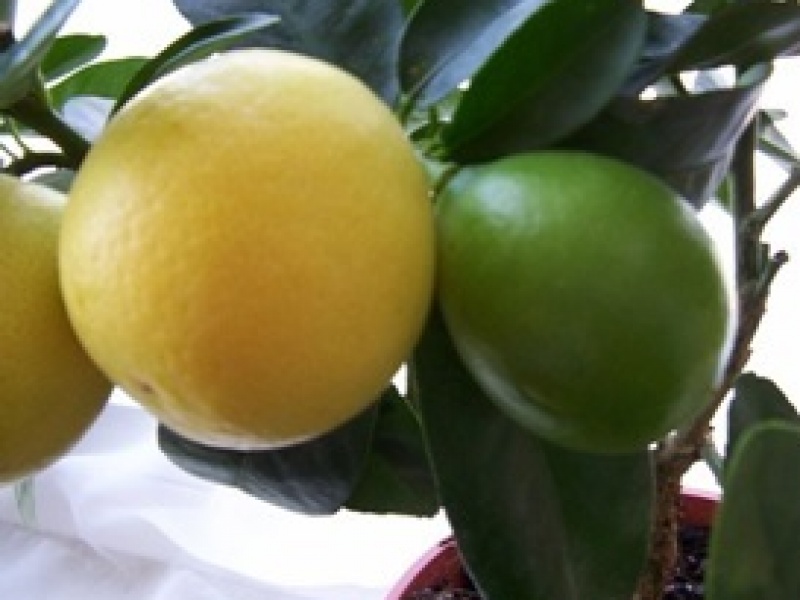
Citrus Floridana
Citrus Floridana (limequat) is a hybrid of lime and kumquat. In countries with cold climates it is grown as a houseplant.
Indoor plants
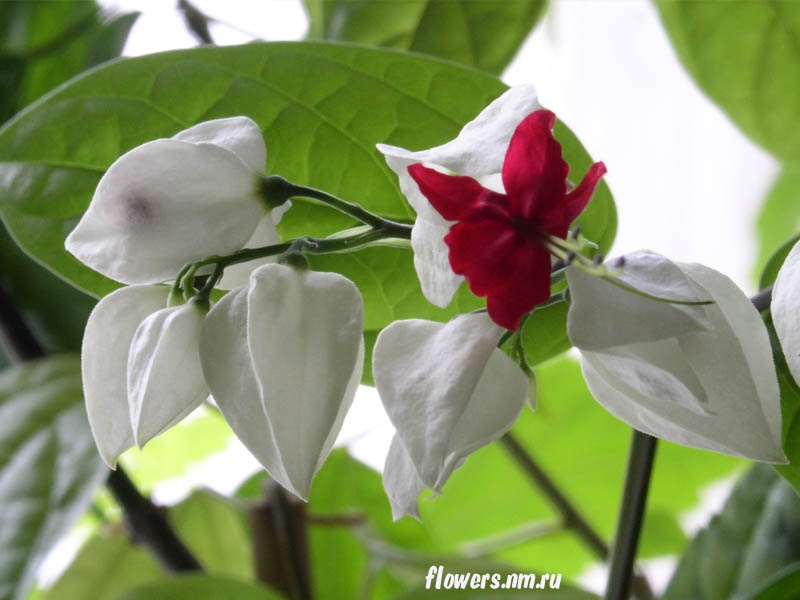
Clerodendrum
Clerodendrum thomsonae - one of the most widespread species - a vine with opposite leaves up to 12 cm long, oval or ovate in shape, with irregularly shaped light and dark green spots on the upper side of the leaf