
Flowers for the garden
Asperula or Yasmenik
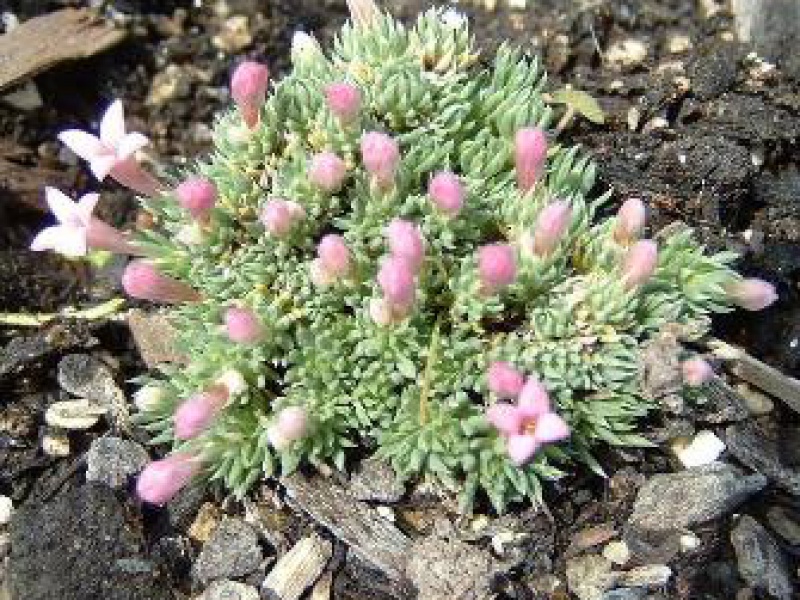
Asperula
Annual or perennial plants, sometimes with woody bases of the stems. Leaves whorled, made up of eight lanceolate segments, rarely oppositely arranged.
Catalogue of imported encyclopedia entries.
Flowers for the garden
Asperula
Annual or perennial plants, sometimes with woody bases of the stems. Leaves whorled, made up of eight lanceolate segments, rarely oppositely arranged.
Flowers for the garden
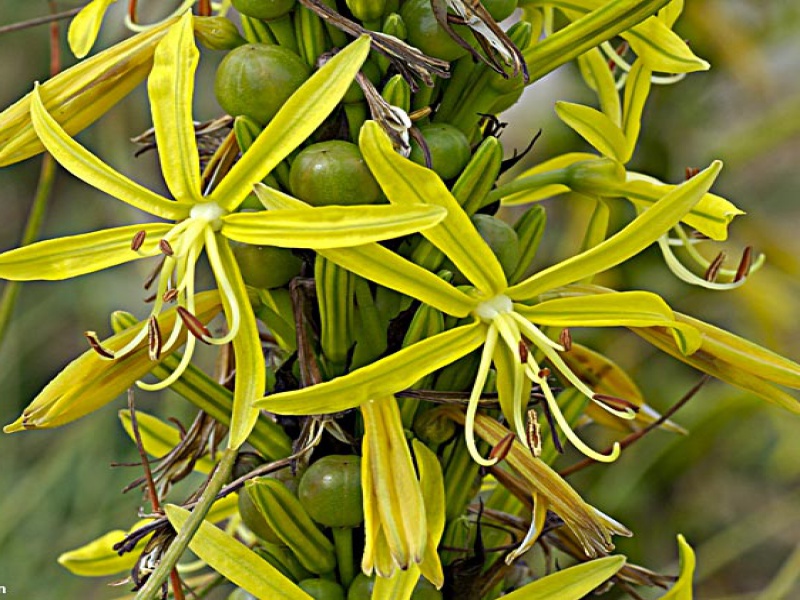
Asphodeline
Inflorescences are a dense raceme on an unbranched stem, flowers white or yellow. Perianth segments are turned outward, narrowly lanceolate, obtuse, with a single longitudinal vein, fused at the base into a short tube.
Flowers for the garden
Asphodeline liburnica (Scop.) Reichb
Grows in forests, scrub, and on open mountain slopes in the mid-montane belt (up to 1000 m above sea level) in the Mediterranean region of Europe.
Flowers for the garden
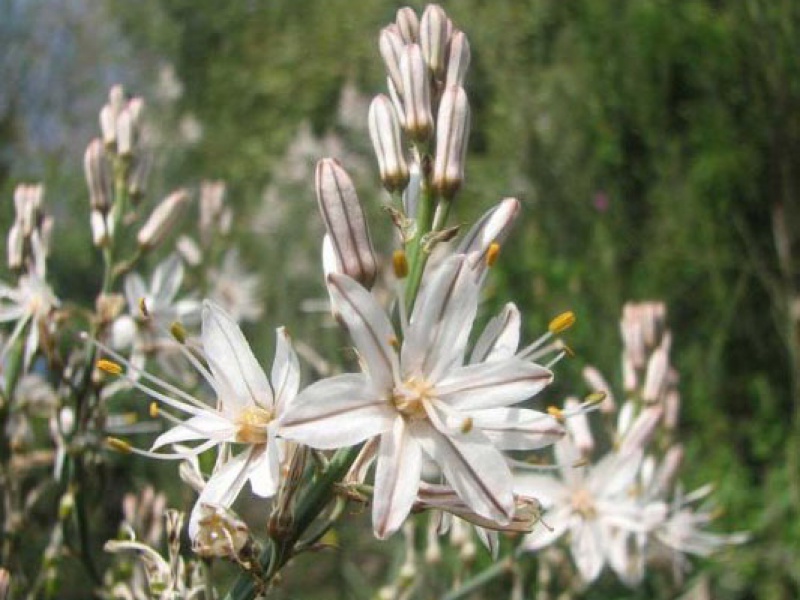
Asphodelus
It was called the king's spear and served as a symbol of the goddess Persephone, a symbol of death and food for the dead. Its roots were used in medicine and for making glue.
Flowers for the garden
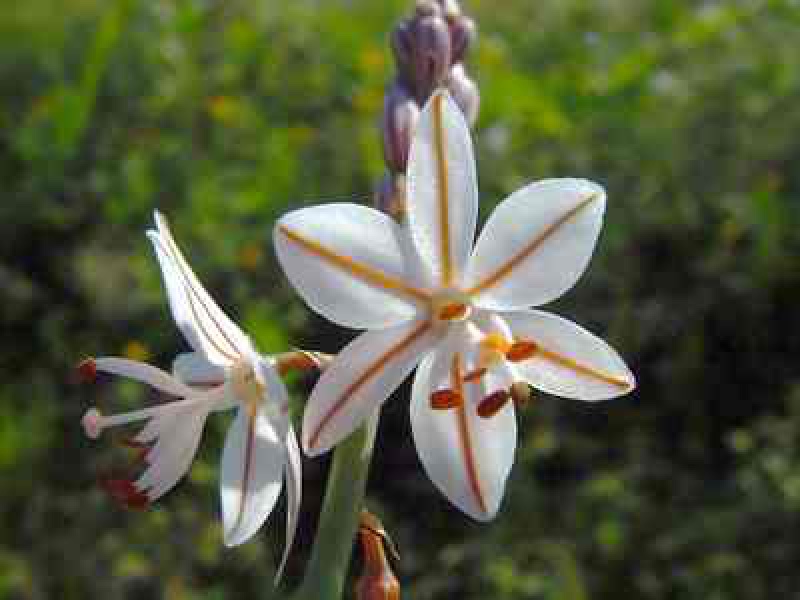
А. fistulosus
An annual plant up to 40 cm tall. Inflorescence racemose, loose, often branched. Flowers 1.2–1.4 cm long, pinkish-white, with a pink longitudinal stripe on the perianth segments.
Indoor plants
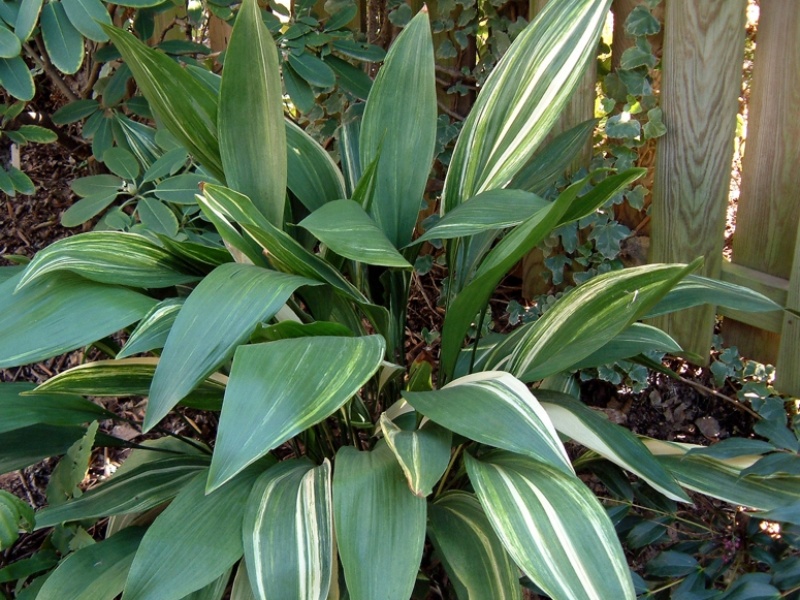
Aspidistra
Eight species occur in nature. In cultivation the tall Aspidistra — Aspidistra elatior — a perennial herbaceous plant, is grown.
Indoor plants
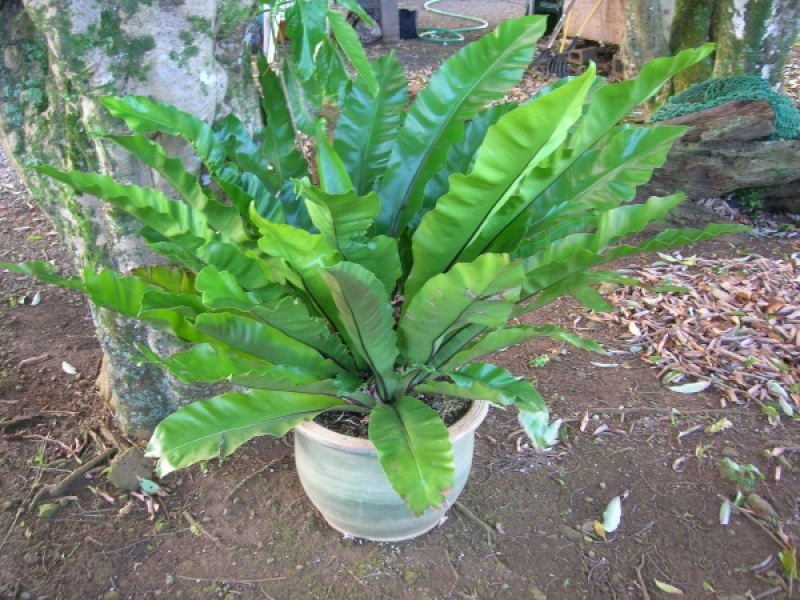
Asplenium
The most widespread species is the bird's‑nest Asplenium, Asplenium nidus. This epiphytic fern, with its rosette-forming leaves, resembles a bromeliad.
Flowers for the garden
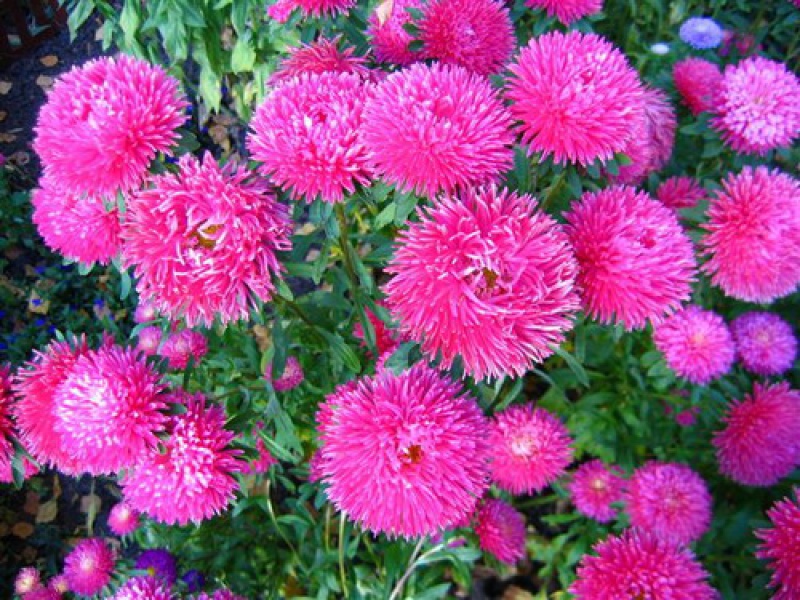
Aster L.
"ASTRA" - in practical floriculture under this name there are two genera: aster (Aster L.) and callistephus (Callistephus Cass.) with one species (C. chinensis (L.) Nees), or Chinese callistephus, or the annual aster, w…
Flowers for the garden
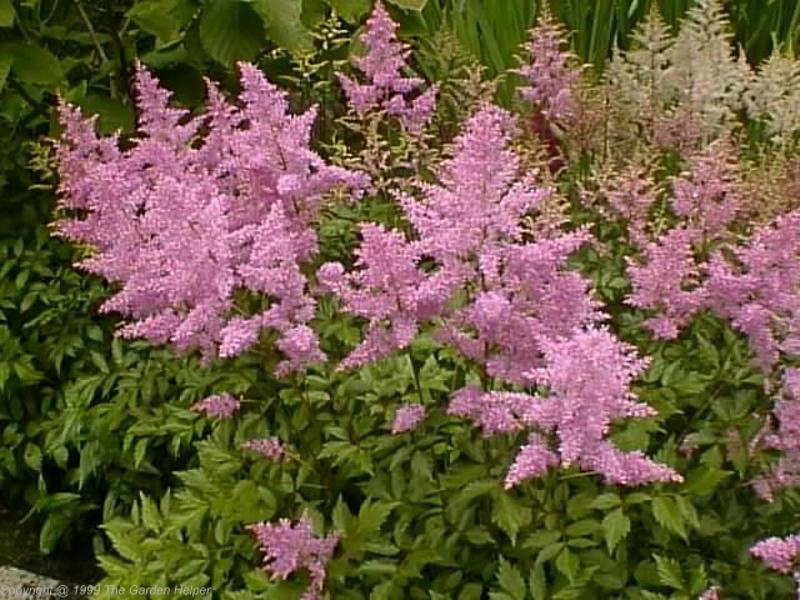
Astilbe
Astilbe is a garden plant but adapts well to indoor conditions. In spring and summer, and in some regions in autumn, it can be kept on balconies and open verandas. Indoors it prefers shaded locations.
Flowers for the garden
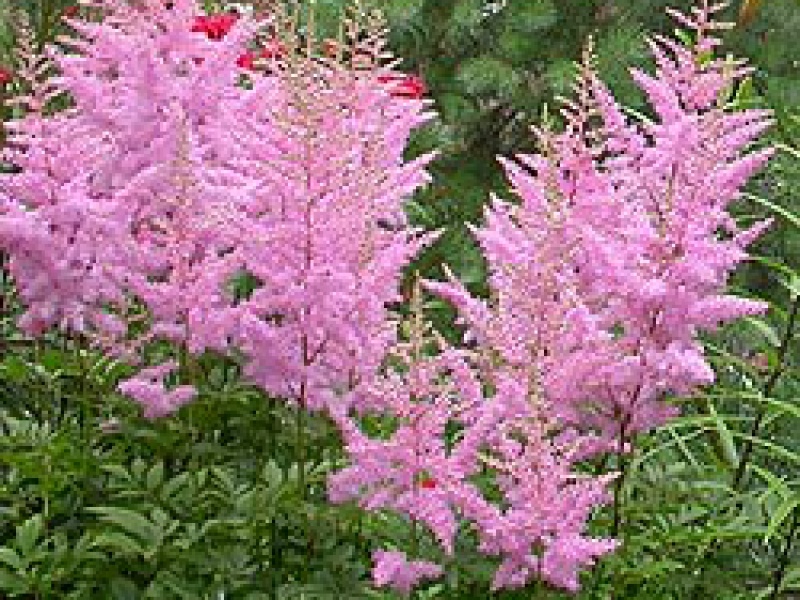
A. thunbergii
A perennial with short rhizomes. Bushes are dense, very decorative, up to 80 cm tall. Leaves are ornamental, glossy, dark green, covered with brown hairs.
Flowers for the garden
Iris astrachanica Rodion. sp. nov.
Found on the slopes of ravines, on dry plateaus among desert-steppe herbaceous vegetation in the eastern parts of Stavropol, Kalmykia, and in the interfluve regions of the Volga and Ural adjacent to the Caspian Sea.
Flowers for the garden
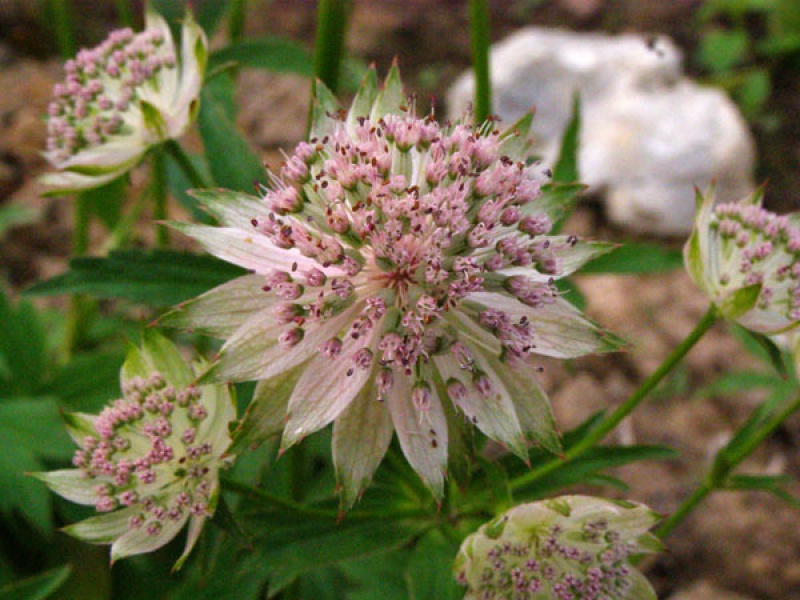
Astronantion
Name: ancient, of unknown origin and meaning. Probably from 'astron' - star and 'antion' - opposite, referring to the bracts of the inflorescence.
Flowers for the garden
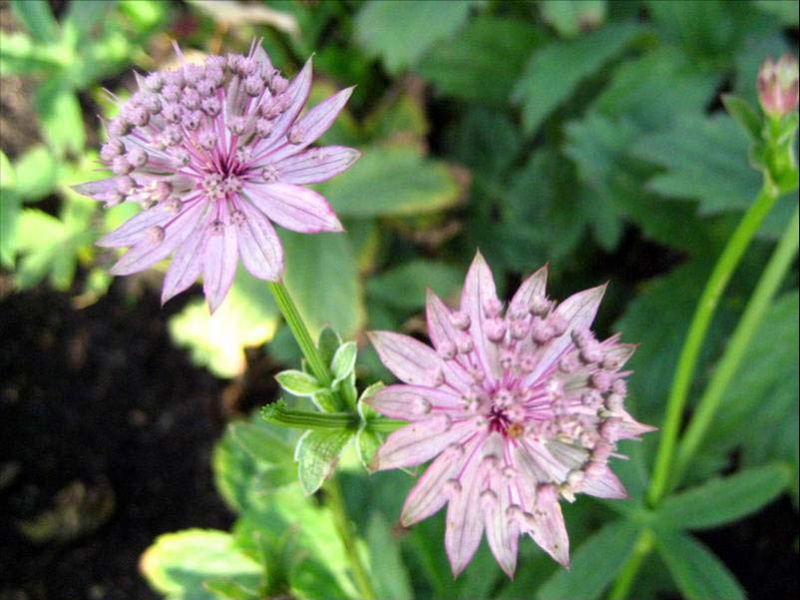
A. major L.
During the flowering period the bushes are sprawling up to 70 cm tall and 35-40 cm in diameter. Leaves three- to seven-parted, on long petioles, gathered in a basal rosette.
Flowers for the garden
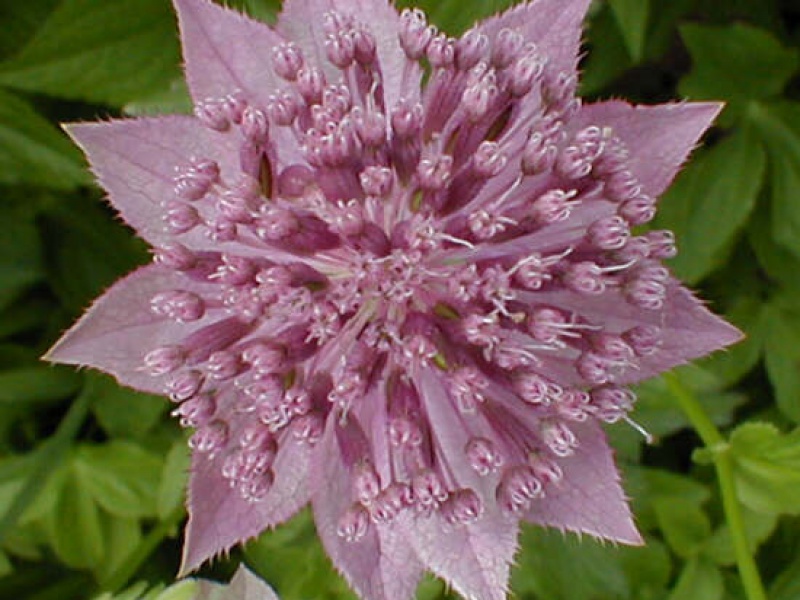
A. maxima Pall.
A very ornamental, long-rhizomed, compact plant 40-70 cm tall with three-lobed leaves.
Indoor plants
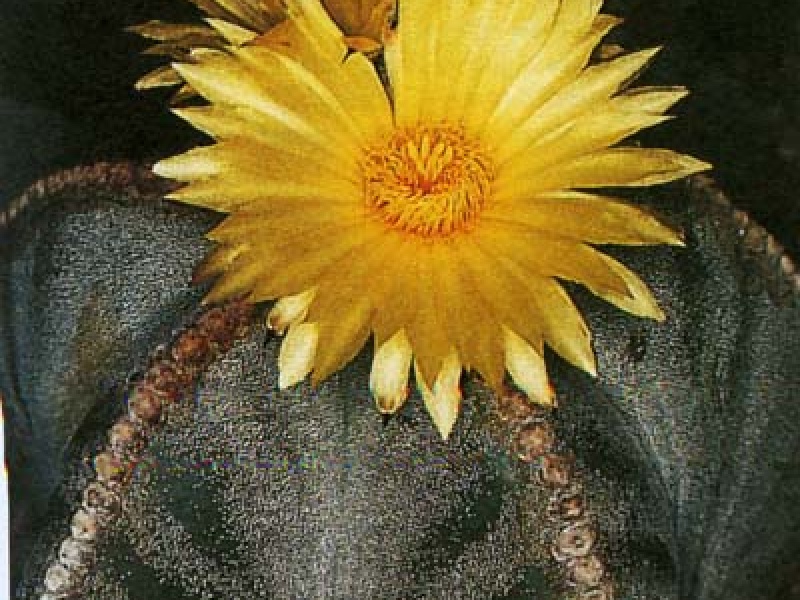
Astrophytum
Astrophytum species are also called star cacti; this is clearly related to their appearance. The genus name comes from Greek asteroc - star and phyton - plant.
Flowers for the garden
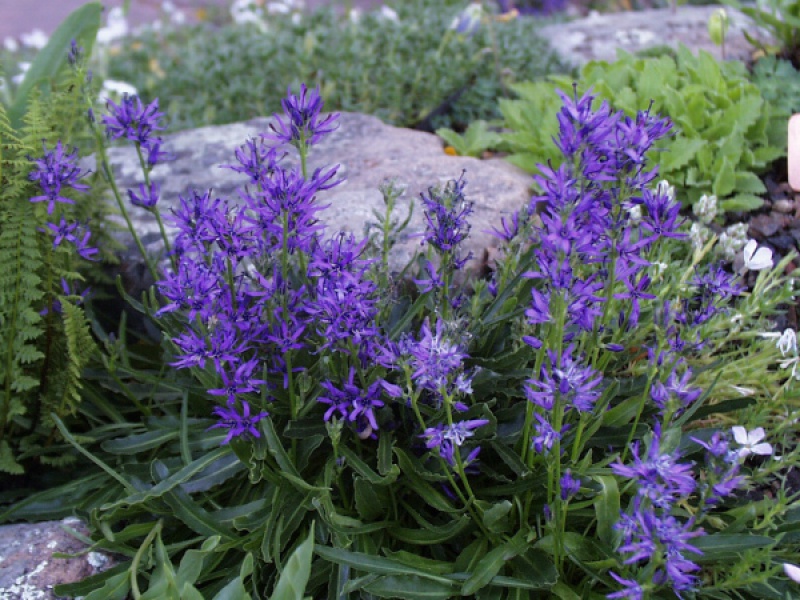
Asyneuma
Asyneuma (Asyneuma) - the buttercup family. The genus contains about 50 species, mostly distributed in the Mediterranean region.
Indoor plants
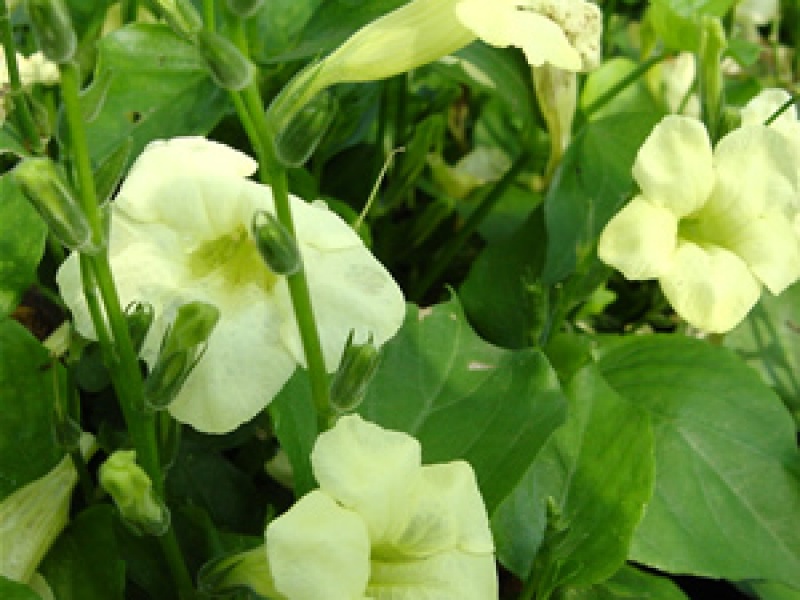
Asystasia gangetica (L.) T. Anderson
Family Acanthaceae. It is widely distributed in tropical Asia and southern Africa.
Conifers
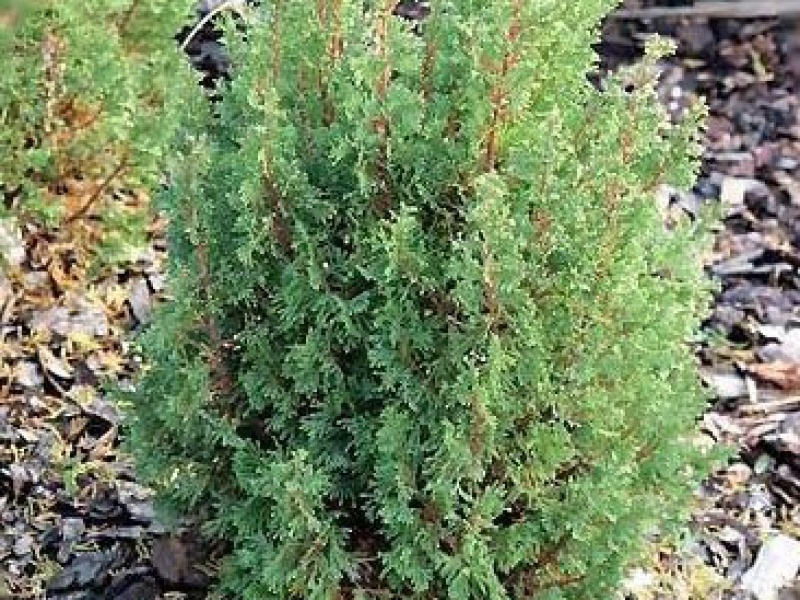
Chamaecyparis thyoides Top Point
A dwarf evergreen, slow-growing shrub with an attractive columnar crown. Foliage bluish-green, soft. In spring the foliage becomes silvery-blue; in autumn it turns copper-bronze.
Conifers
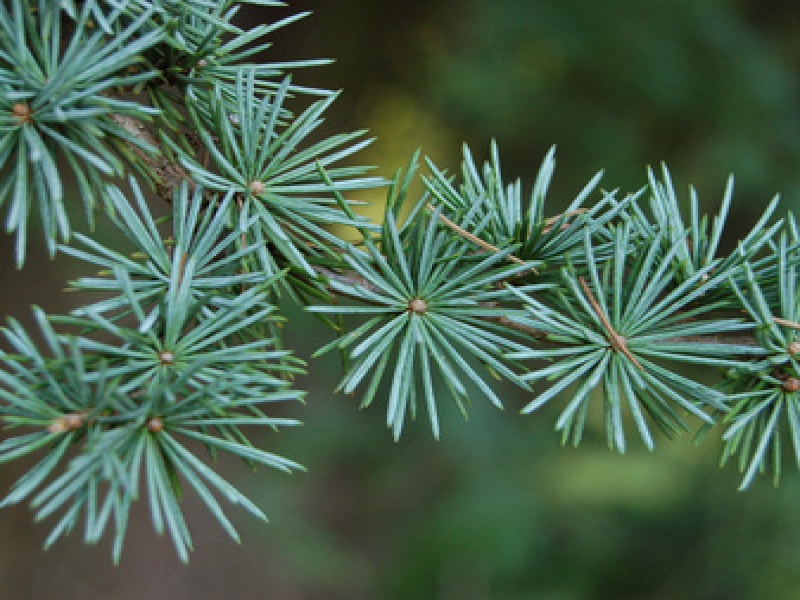
Cedrus atlantica Glauca
A popular cultivar of coniferous trees from the Atlas cedar species. Differs from the species by a more branched crown and gray-blue needles. Cones are barrel-shaped, brownish, and mature in 2–3 years.
Conifers
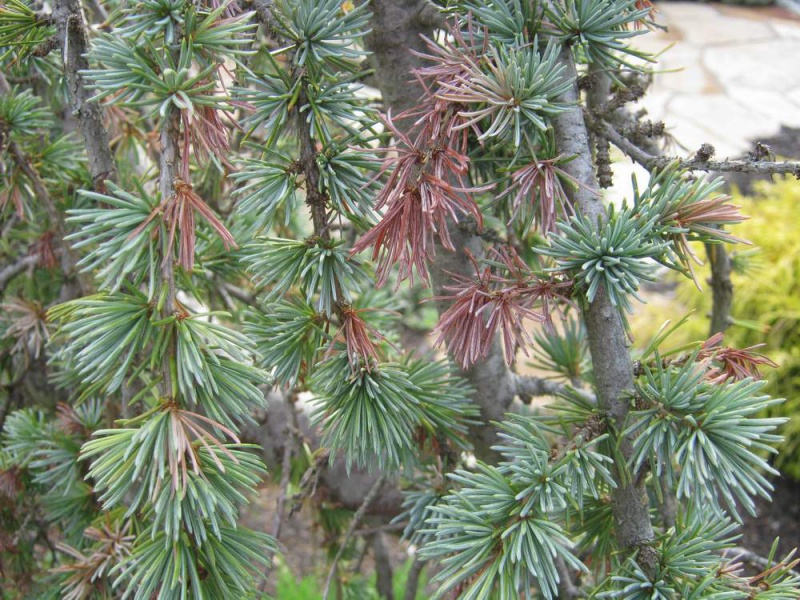
Cedrus atlantica Glauca Pendula
Weeping form of the Atlas cedar. The scaffold branches hang in arches, lateral branches resemble a dense mane. Needles are gray-blue, grow spirally on long shoots. On short shoots they form cluster-rosettes. Cones are b…
Conifers
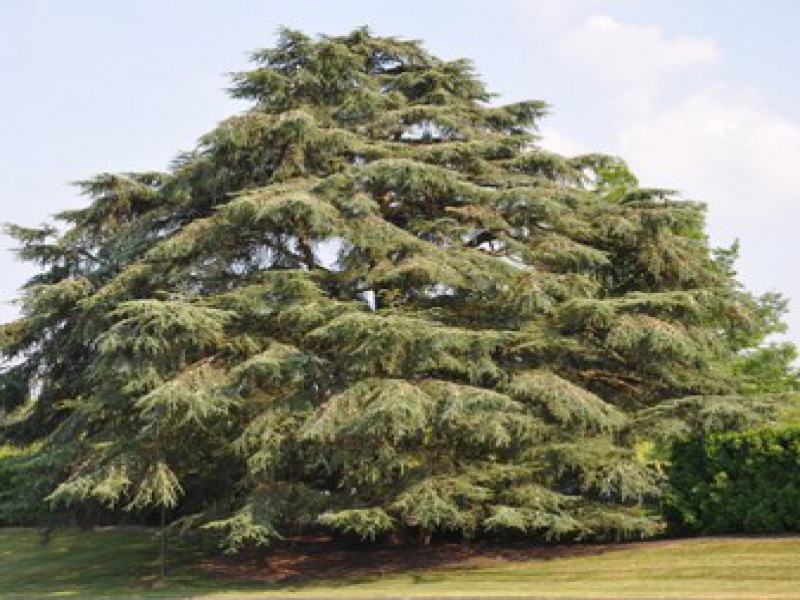
Cedrus atlantica
A species of coniferous trees of the genus Cedrus in the family Pinaceae. A medium-tall tree with a loose pyramidal crown. Needles stiff, bluish-green, clustered, borne on leaf cushions. Cones cylindrical, dense, light …
Climbing plants
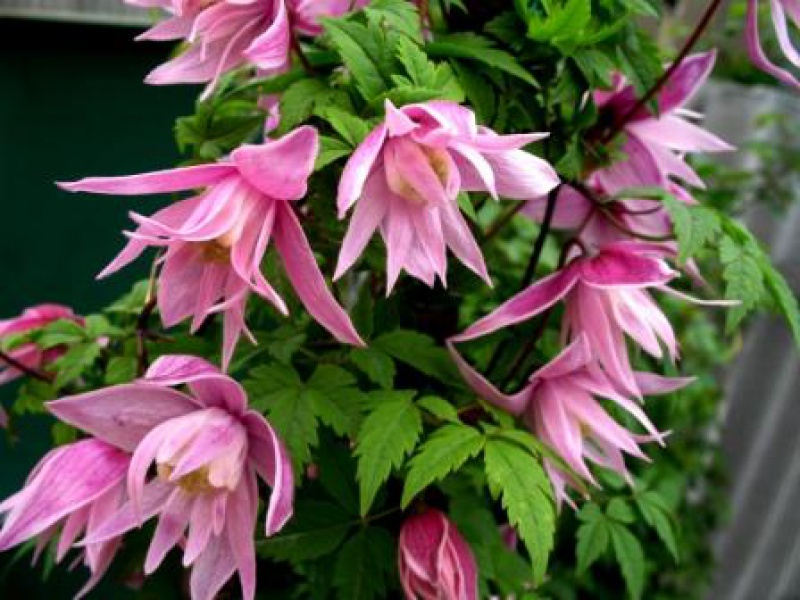
Atragene
Atragene (Atragene) - description, species, photos, care, cultivation, transplanting, pests, propagation - Atragene
Indoor plants
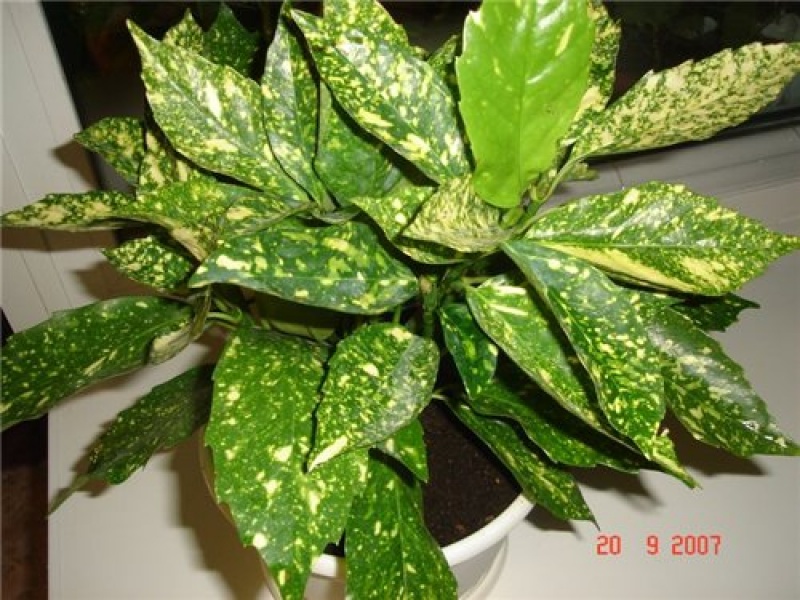
Aucuba
This evergreen shrub, in nature reaching almost 5 m in height, grows to about 1.5 meters in indoor conditions.
Deciduous shrubs
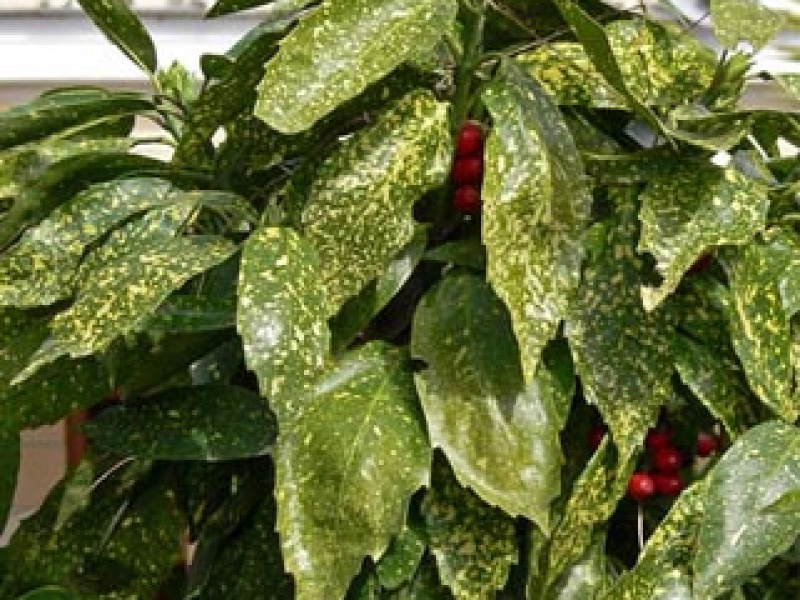
Acuba Thunb.
Attractive evergreen shrubs for gardens and parks, whose winter hardiness is considerably greater than commonly believed when planted in a suitably chosen site.