
Fruit trees
Plum
Prunus
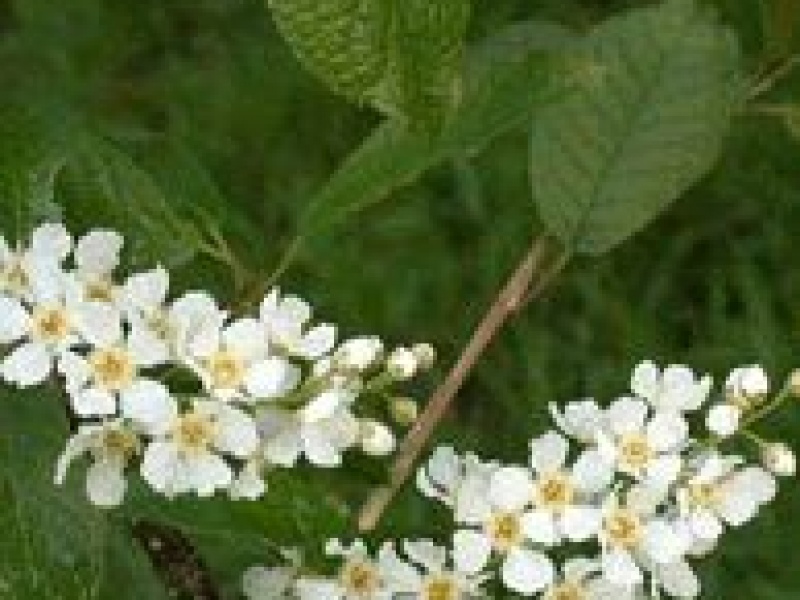
Family Rosaceae. Found in the southwest of Krasnodar Krai, in the Western Transcaucasus (Abkhazia, Adjara, area of Kutaisi), in the Mediterranean, the Balkans, and Asia Minor.
Catalogue of imported encyclopedia entries.
Fruit trees
Prunus
Family Rosaceae. Found in the southwest of Krasnodar Krai, in the Western Transcaucasus (Abkhazia, Adjara, area of Kutaisi), in the Mediterranean, the Balkans, and Asia Minor.
Fruit trees
Prunus L.
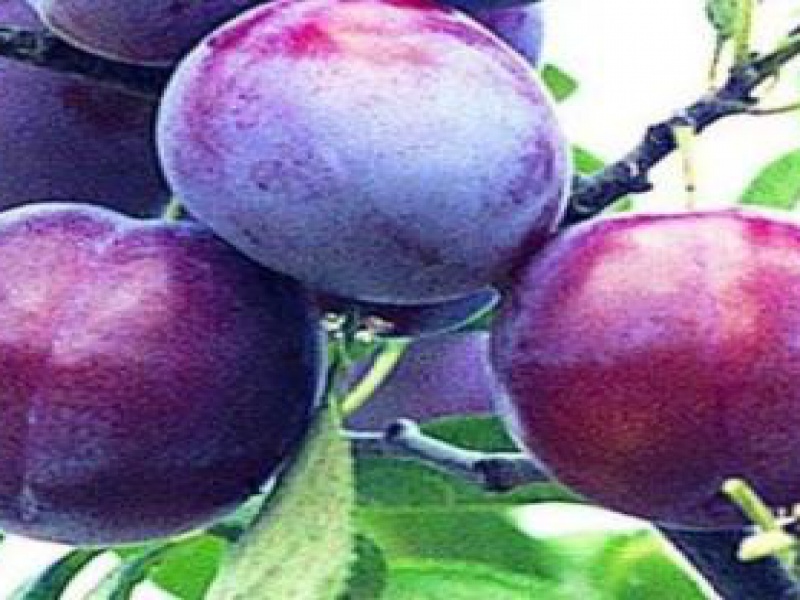
A well-known garden plant familiar from childhood. At the same time, it is one of the most popular trees on plots. Such a tree does not require meticulous care and produces fruit almost every year.
Fruit trees
Prunus salicina
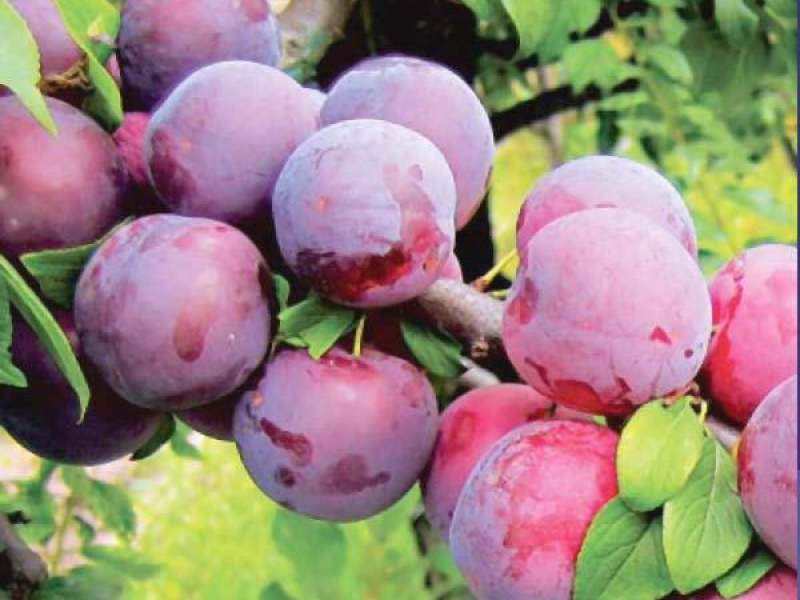
Mid-season plum cultivar (mid-August). Fruits large, oval, burgundy-red. Flesh fibrous, whitish-yellow, of pleasant taste. The cultivar is self-sterile. Requires increased moisture; winter hardiness is satisfactory; sus…
Fruit trees
Prunus salicina
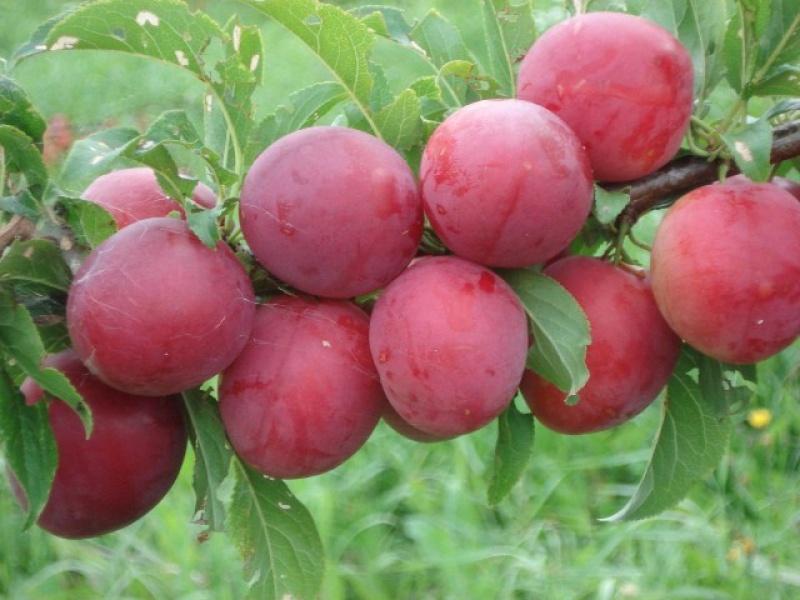
A plum cultivar of mid-early ripening (late July). Fruits are large, round-ovoid, burgundy-red. Skin thin and durable. Flesh fibrous, yellow, of good flavor. Blooms early and abundantly. Frost hardiness high, drought to…
Fruit trees
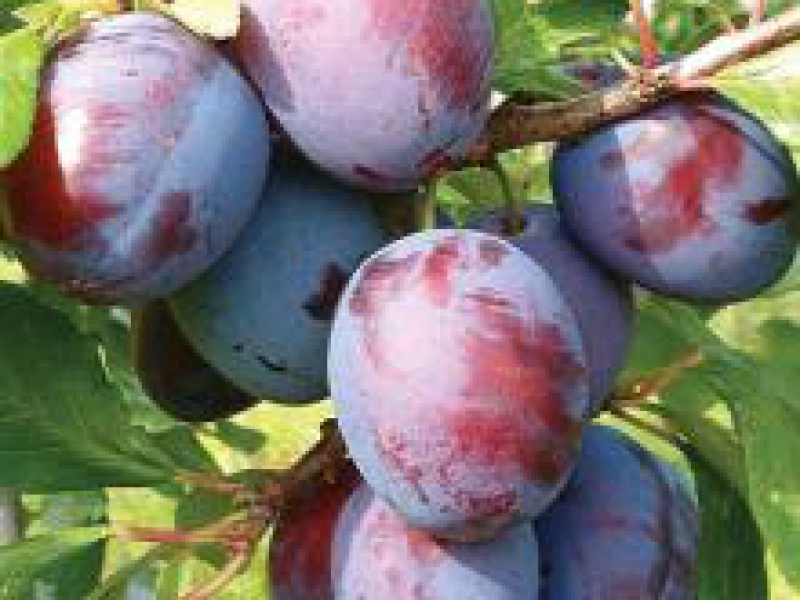
Prúnus doméstica President
An old English late-ripening variety (second ten-day period of September). Fruits large, round, blue. Skin of medium thickness with a medium wax bloom. Flesh tender, juicy, of excellent flavor. Stone separates well. Hig…
Fruit trees
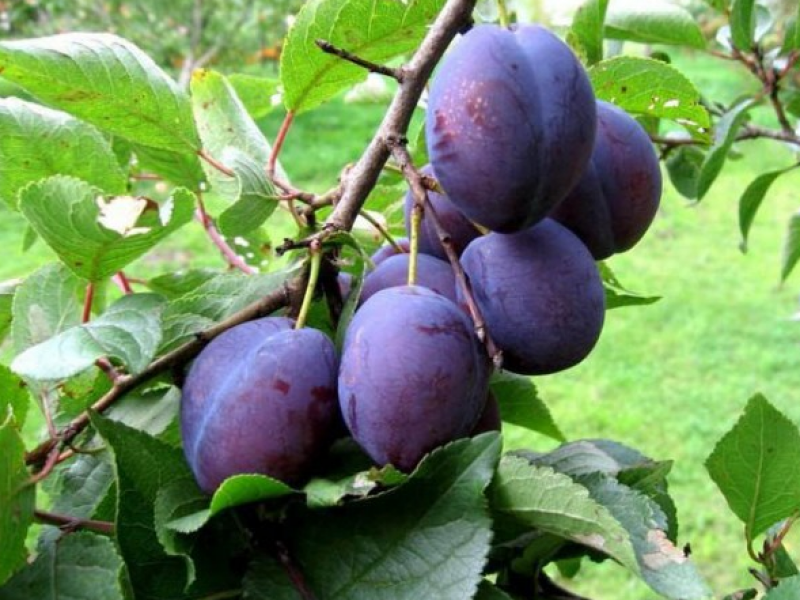
Prunus domestica
A popular mid-season cultivar. Fruits are above-average in size, oval, purple-brown. Flesh juicy, yellow, with a good sweet flavor. Yield medium, regular. Disease resistance moderate.
Fruit trees
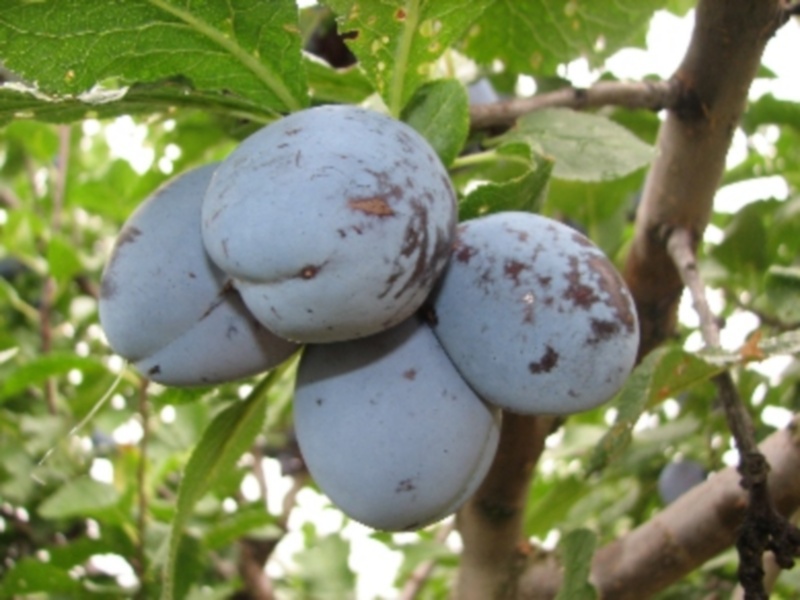
Prúnus doméstica Cacak Beste
A late-ripening plum cultivar. Fruits medium to large, ovoid, dark blue. Flesh firm, juicy, aromatic, of excellent flavor. Begins bearing early, yield high, disease resistance moderate.
Fruit trees
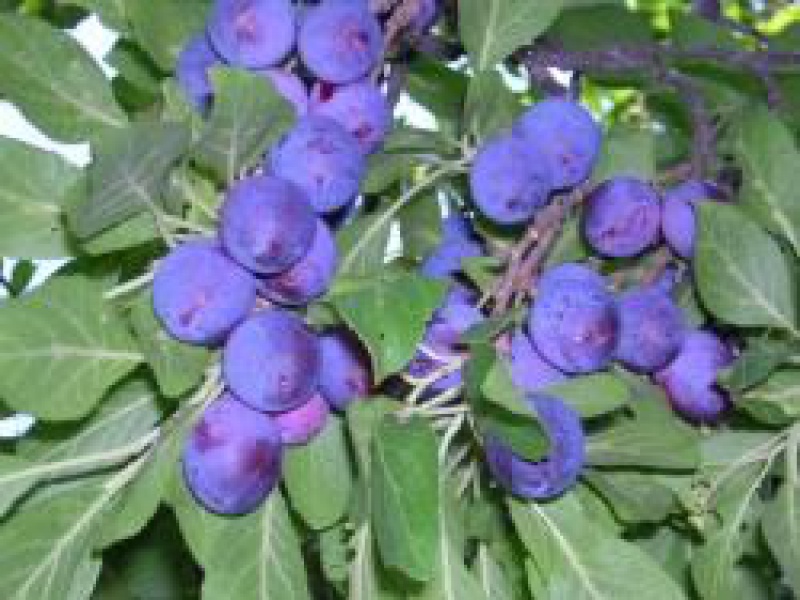
Prunus domestica
One of the most widespread Crimean varieties of the domestic plum. Fruits are small to medium, oblong-pear-shaped, black-blue, of excellent sweet flavor. Skin is firm. Stone small, separates well from the flesh.
Fruit trees
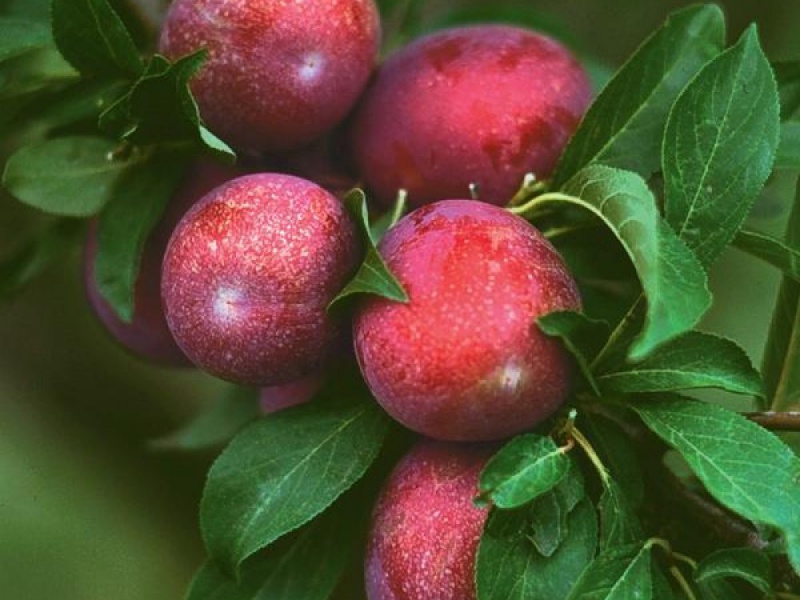
Prunus salicina 'Ozark Premier'
a promising plum cultivar. Fruits are large, broadly ovoid, aromatic, with juicy and very tender flesh of excellent dessert flavor. Fruit color – dark burgundy, dotted. The cultivar is highly productive and begins fruit…
Deciduous shrubs
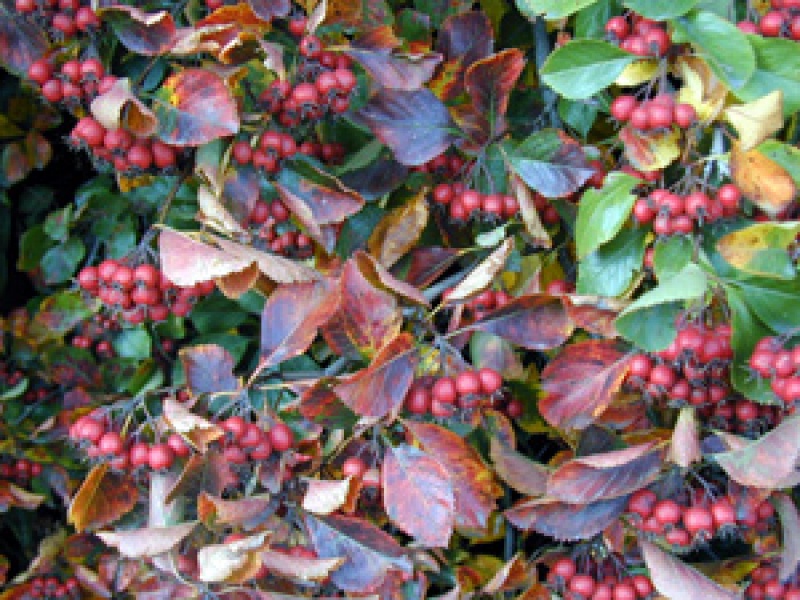
Crataegus prunifolia
Large asymmetrical shrub 6-7 m tall and wide, strictly upright, dense, medium growth rate, 20-25 cm per year.
Flowering shrubs
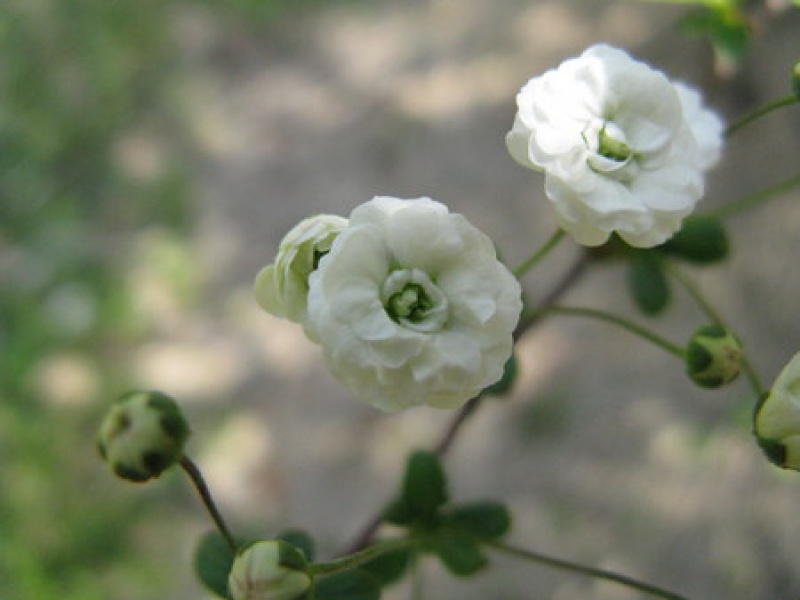
Spiraea prunifolia Sieb.et Zucc
A species of deciduous, fast-growing shrubs from the rose family. Crown dense. Leaves glossy, green, beneath gray-pubescent. Flowers white, arranged in sessile corymbs, simple or fully double. Fruits – follicles.
Indoor plants
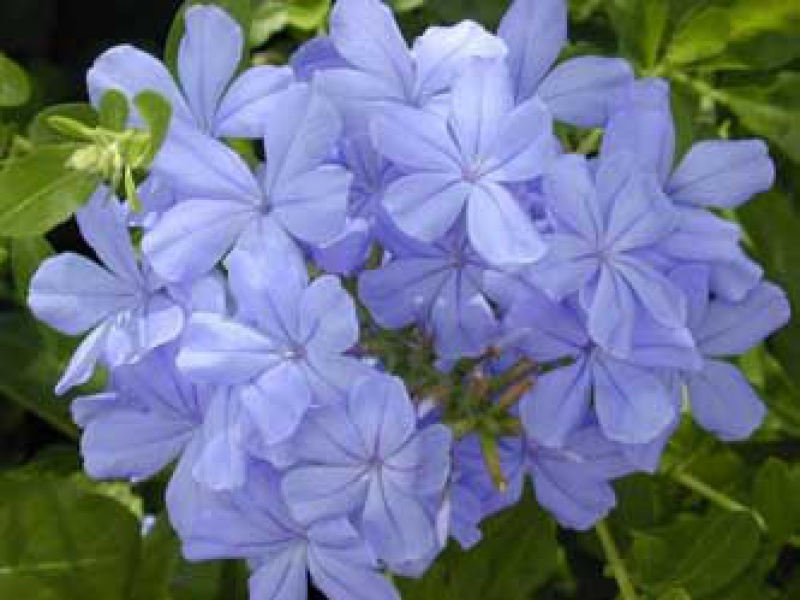
Plumbago
A deciduous ornamental, small, showy-flowering shrub. Flowers light blue, pink, blue or white, in short umbel-like inflorescences. Blooms abundantly and for a long time - from March to September.
Indoor plants
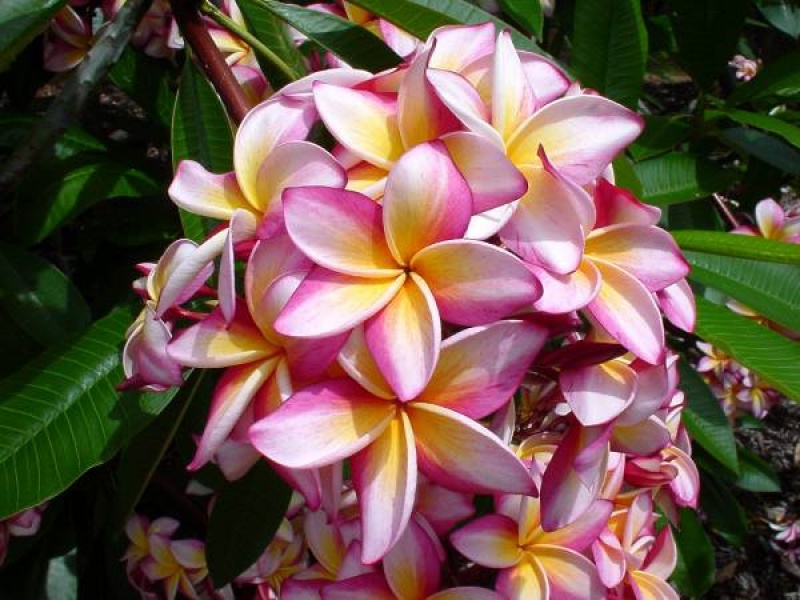
Plumeria
This is an ornamental flowering greenhouse plant of fairly large size - in the wild it reaches 5 m in height, under domestic conditions about 2 m.
Deciduous shrubs
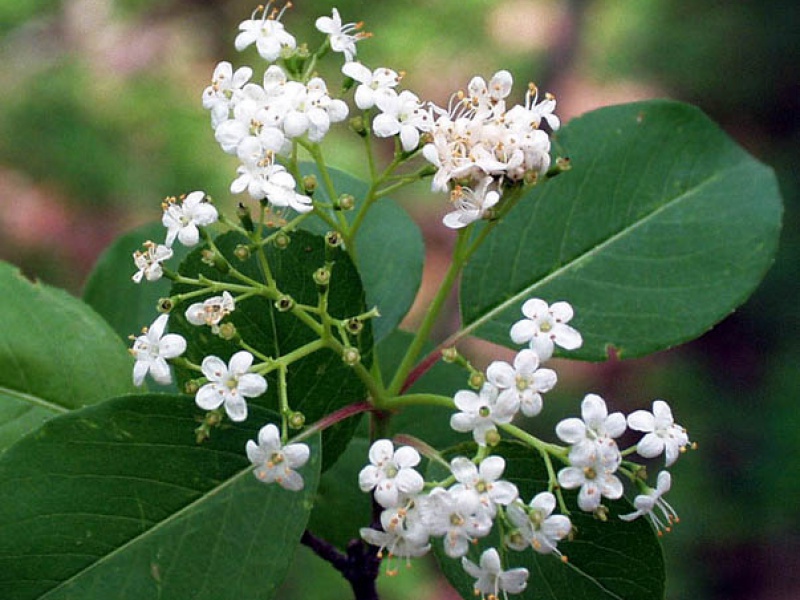
V. prunifolia L.
A small deciduous tree up to 5 m tall or a large shrub, with sturdy horizontally spreading branches and bare shoots.
Indoor plants
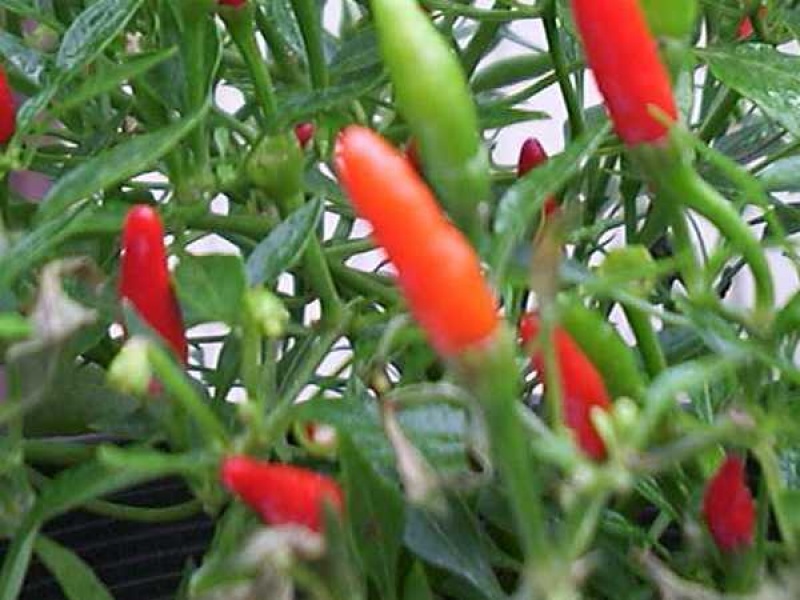
Capsicum
In nature there are about 50 species in this genus. The hot Mexican pepper is grown as an annual plant.
Deciduous trees
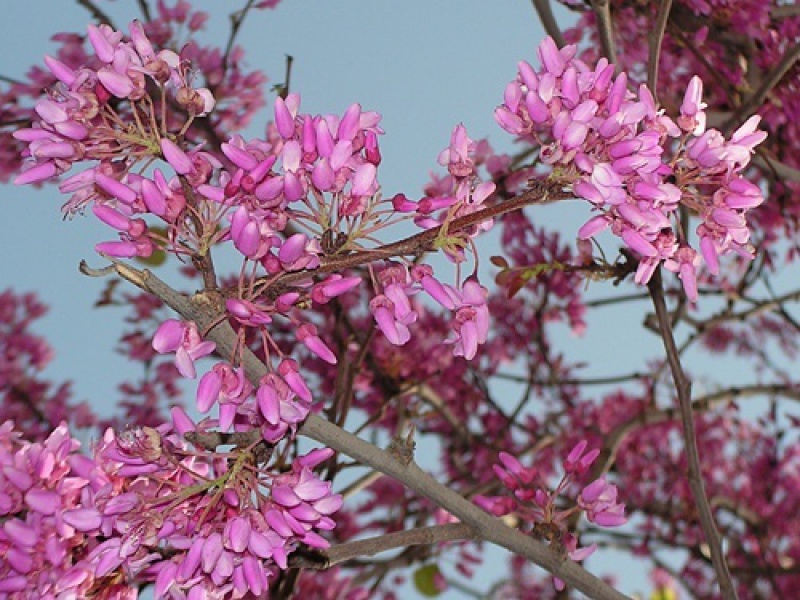
Cercis siliquastram L.
Grows as a tree (sometimes a shrub), up to 10 m tall, with a spreading, open crown and a thick uneven trunk covered in old trees with black, fissured bark.
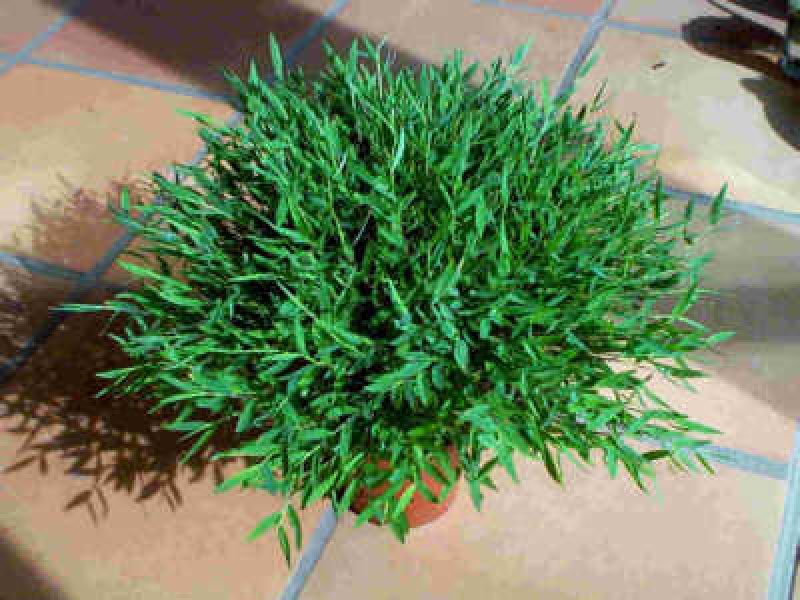
Indoor plants
Pogonatherum
Pogonatherium does not resemble a true reed; it is rather a close relative of sugar cane. This interesting plant has appeared on the market relatively recently. The plant prefers light, warmth, and humidity.
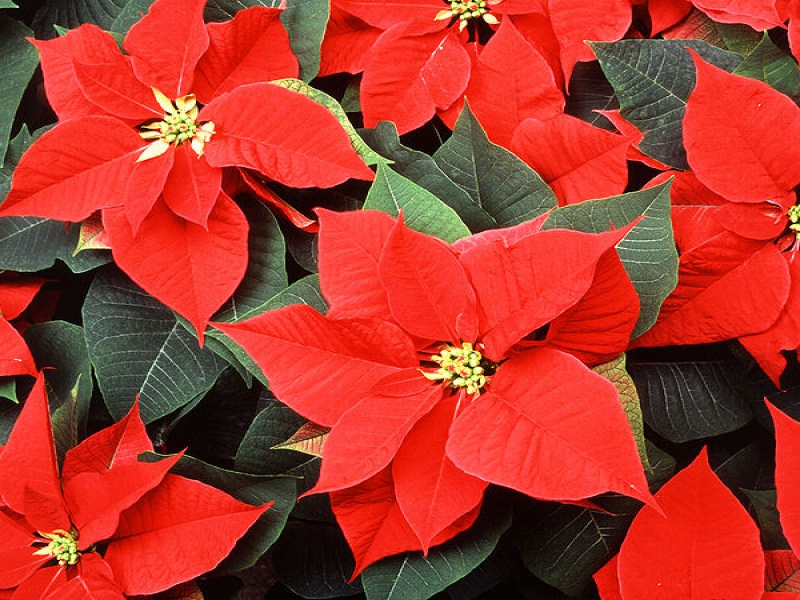
Indoor plants
Euphorbia pulcherrima
The genus Euphorbia comprises about 2,000 very different species. Indeed, it includes annual, biennial and perennial plants, evergreen or deciduous, as well as trees, shrubs and succulents that in nature grow in a wide …
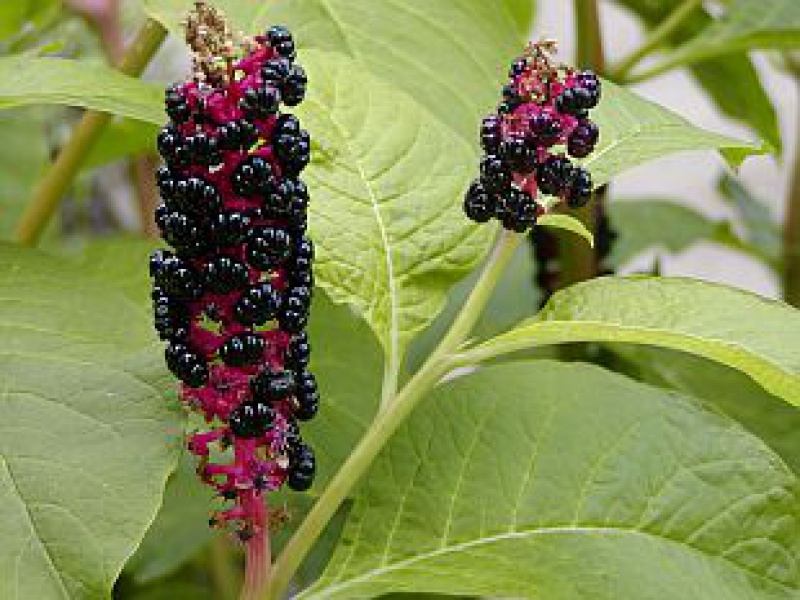
Flowers for the garden
Phytolacca
Perennial herbs, rarely shrubs and tree-like forms with alternate entire leaves. Flowers small, mostly bisexual, in racemose inflorescences, less often dioecious, with 5 sepals, 10–20 stamens, 4–10 carpels, free or fuse…
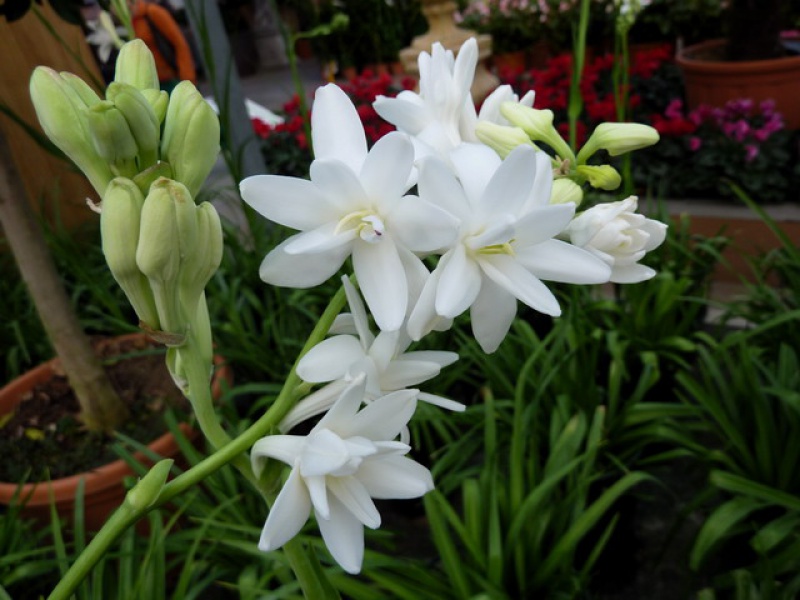
Flowers for the garden
Polianthus
Herbaceous perennial plant up to 110 cm tall, leaves narrow, linear, dark green, 30—45 cm long. Flowers tubular, single or double, pure white, waxy, very fragrant,
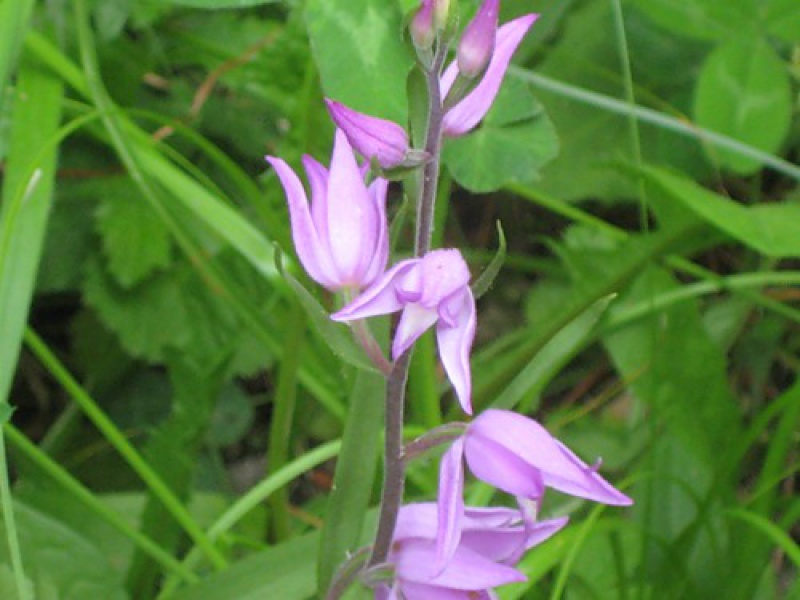
Flowers for the garden
Cephalanthera
A rhizomatous plant with a tall straight or sinuous leafy stem and relatively large white or bright pink flowers
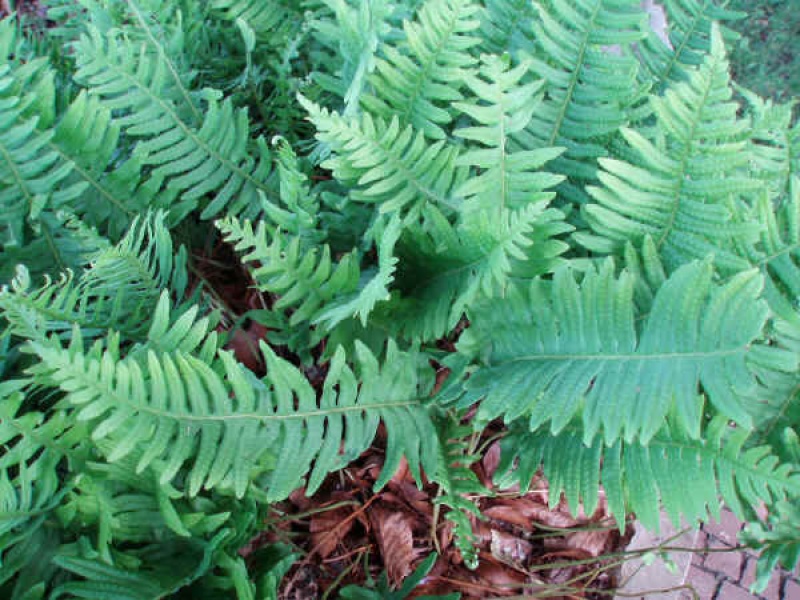
Indoor plants
Polypodium
There are about 200 species in nature, deciduous or evergreen. Another, outdated name is Phlebodium, and in the literature it is more often referred to as polypody.
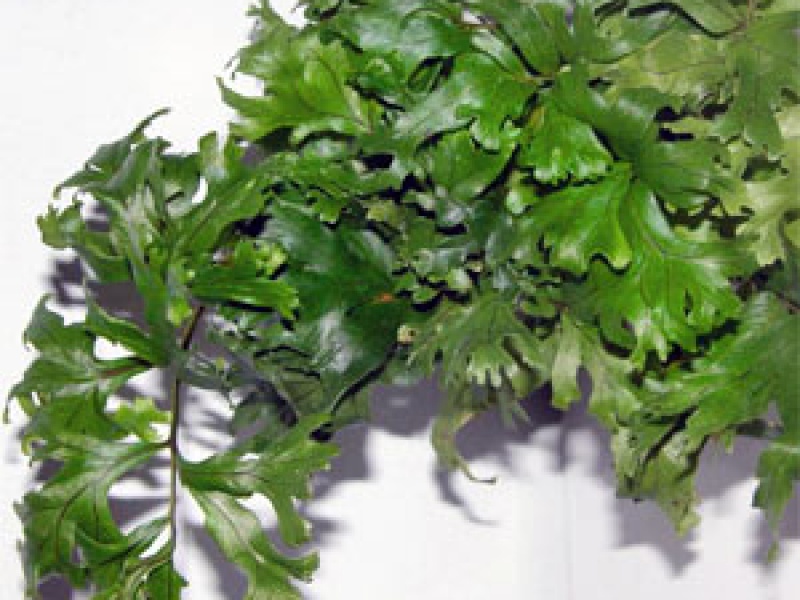
Indoor plants
Polypodium aureum L.
A plant with a short thick creeping rhizome covered with soft golden-brown scales
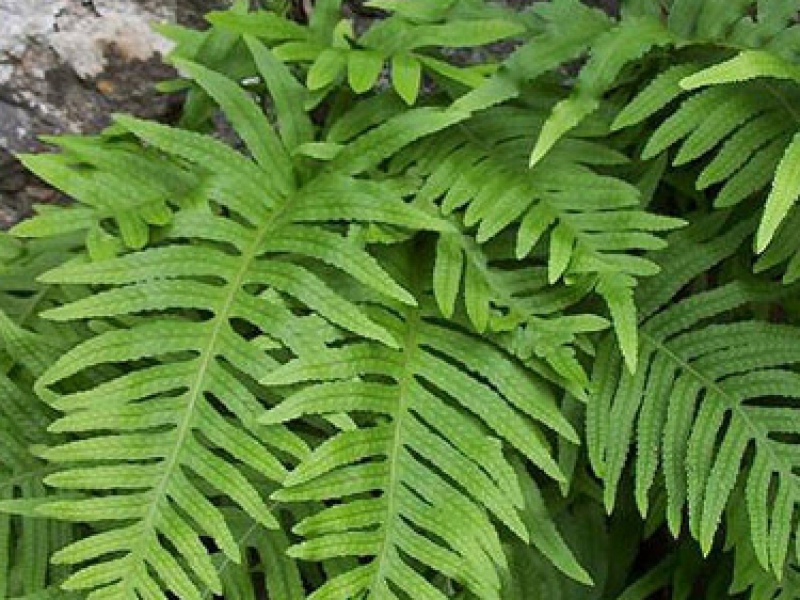
Indoor plants
Polypodium pustulatum Forst
Rhizome creeping, branched, covered with brown scales. Leaves pinnately divided, dark green, glabrous, leathery, thin