
Flowers for the garden
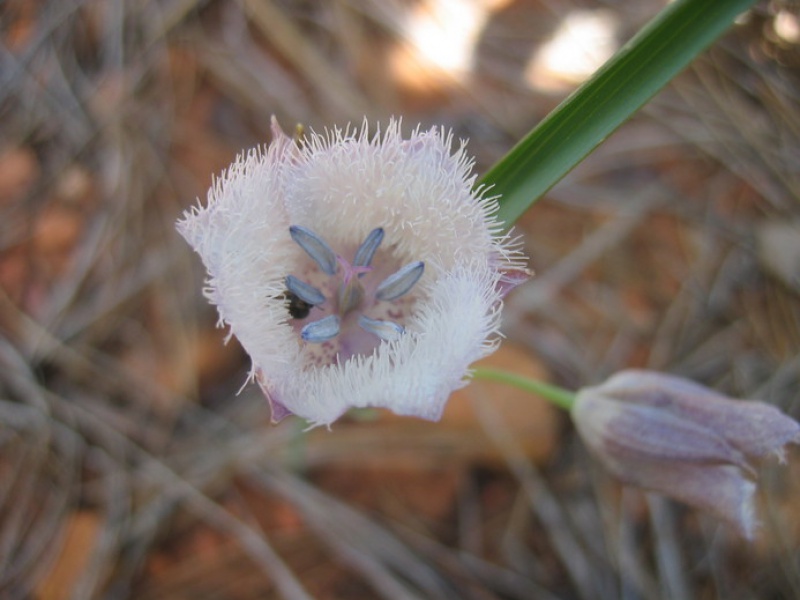
Blue Calochortus
С. caeruleus (Kellogg) S. Wats.
Occurs in open stands of Libocedrus decurrens Torr. in the middle belt of the western slopes of the Sierra Nevada in California.
Catalogue of imported encyclopedia entries.
Flowers for the garden
С. caeruleus (Kellogg) S. Wats.
Occurs in open stands of Libocedrus decurrens Torr. in the middle belt of the western slopes of the Sierra Nevada in California.
Flowers for the garden
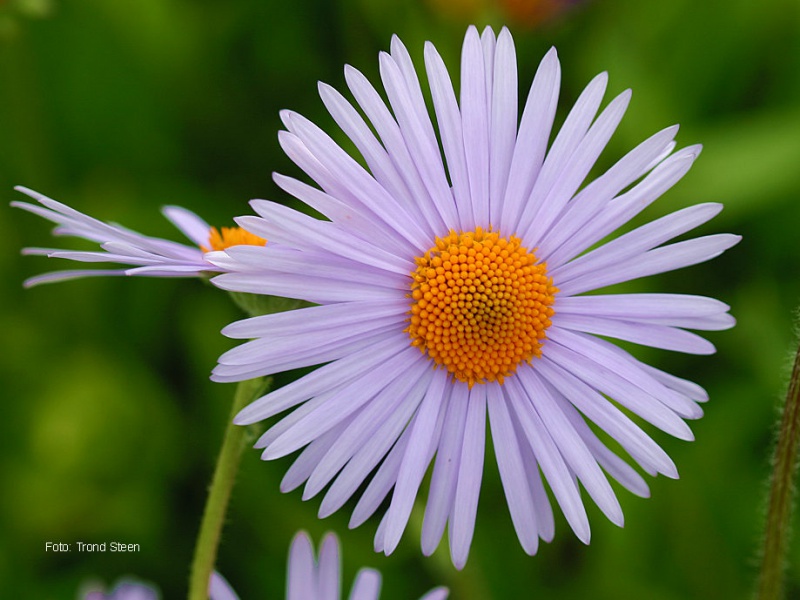
Aster tongolensis Franch.
Perennial herbaceous plant with creeping underground rhizomes. Stems up to 120 cm tall. Large, vigorous clump; stems strong, erect.
Flowers for the garden
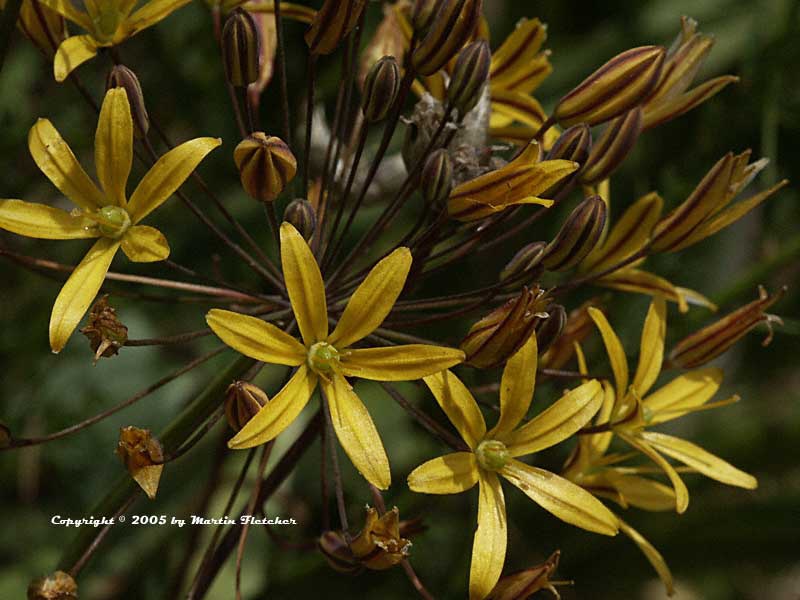
В. crocea (Тогг.) Coville
Stem 20-50 cm tall. Leaf usually solitary, 0.6-1.2 cm wide, equal to the stem or slightly longer. The narrow leaves, unfortunately, die back before the flowers wither.
Flowers for the garden
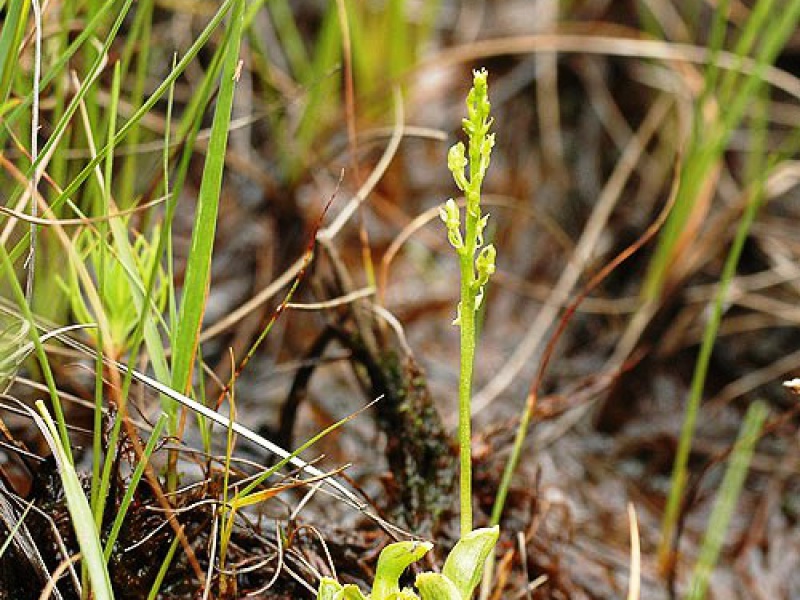
Hammarbya paludosa
Characterized by significant gaps in its range. Associated with peat, sedge-sphagnum bogs and marshy lake shores, where clayey or peaty, poorly aerated soils saturated with water are common. More often in full light, bu…
Flowers for the garden
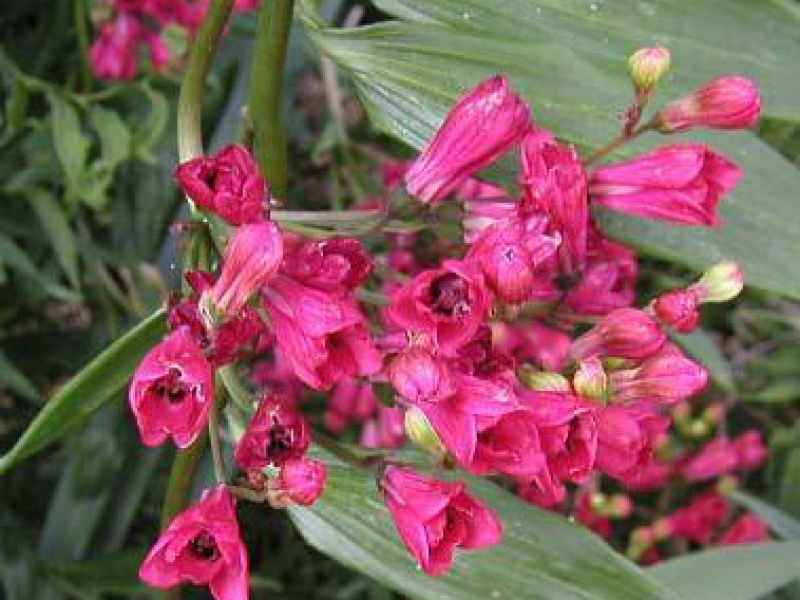
Bomarea
This genus comprises more than 100 species native to South America and includes climbing plants with long, multi-meter stems.
Flowers for the garden
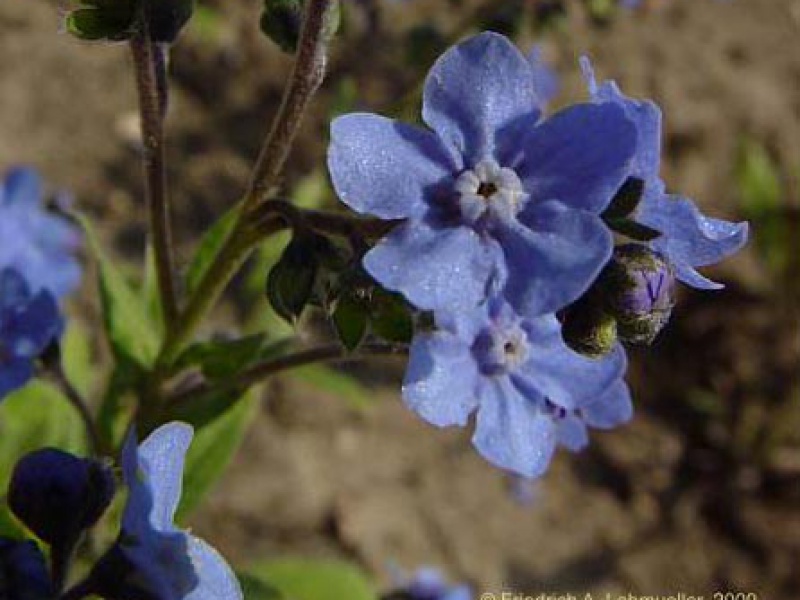
Boraginaceae
The borage family comprises about 115 genera and up to 2,500 species. They occur on all continents of the globe, but are most abundant in tropical, subtropical and partly in the northern temperate regions of the Earth.
Flowers for the garden
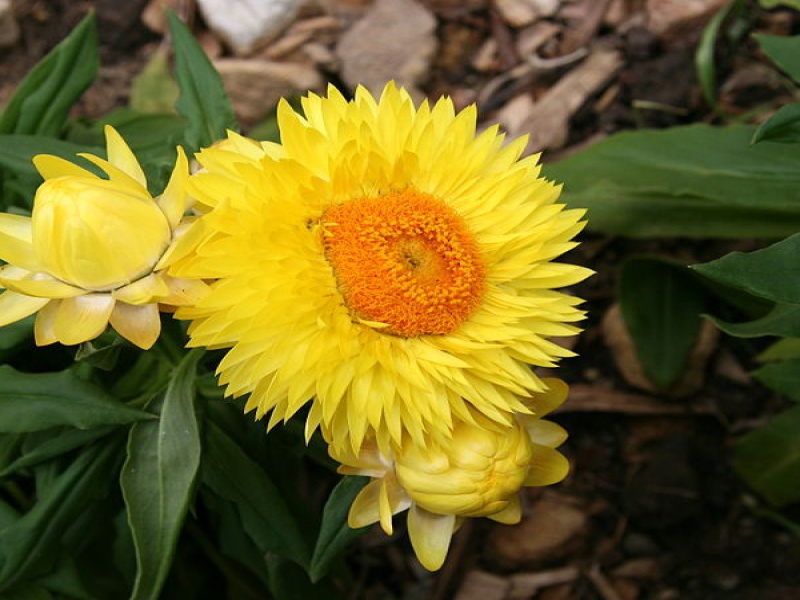
Helichrysum. bracteatum
Bracted helichrysum is a perennial herbaceous plant grown as an annual. It is cultivated for cut flowers for winter bouquets. In landscaping it is used for borders, beds and flowerbeds.

Flowers for the garden
A. paniculata Klatt
Stem robust, strongly branched, 75–110 cm long. Leaves lanceolate, oblique, long (50–70 cm) and wide (5–7 cm). Inflorescence dense, many‑flowered. Flowers bright, red‑yellow, with a tongue‑shaped upper lobe and slightly…
Flowers for the garden
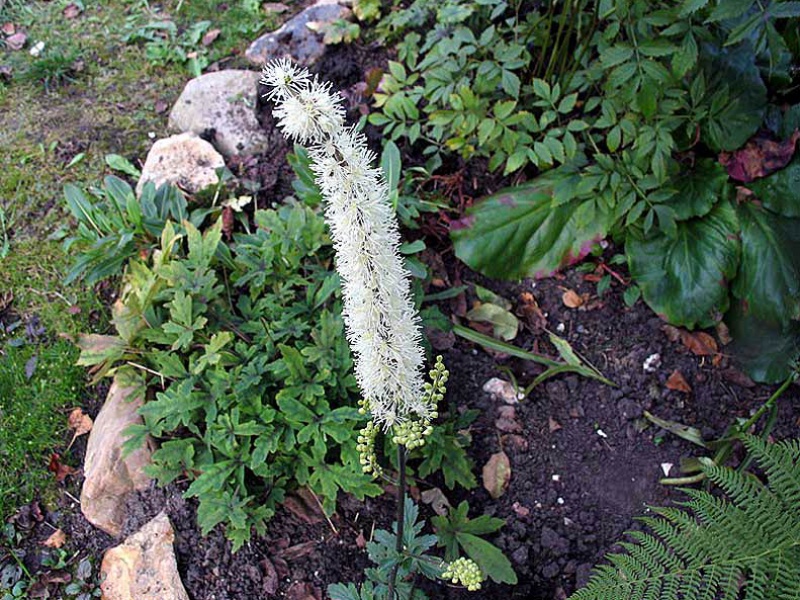
Cimicifuga ramosa
Large, up to 2 m tall, late-flowering (September-October) plants.
Flowers for the garden
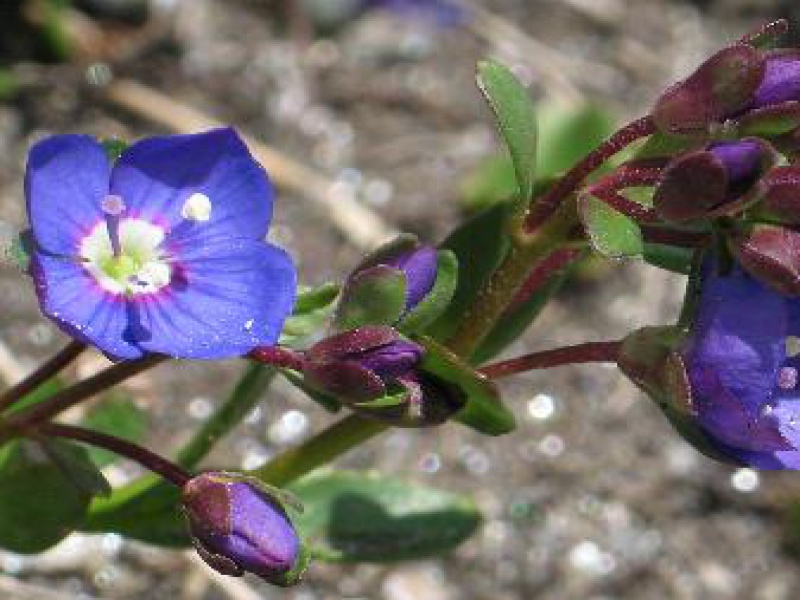
Veronica fruticans Jacq.
a species of plants from the genus Veronica of the Plantaginaceae family. A semi-shrub (subshrub), covered with curly hairs. Leaves elliptic, with an indistinctly toothed margin. Flowers in terminal racemes, dark blue, …
Flowers for the garden
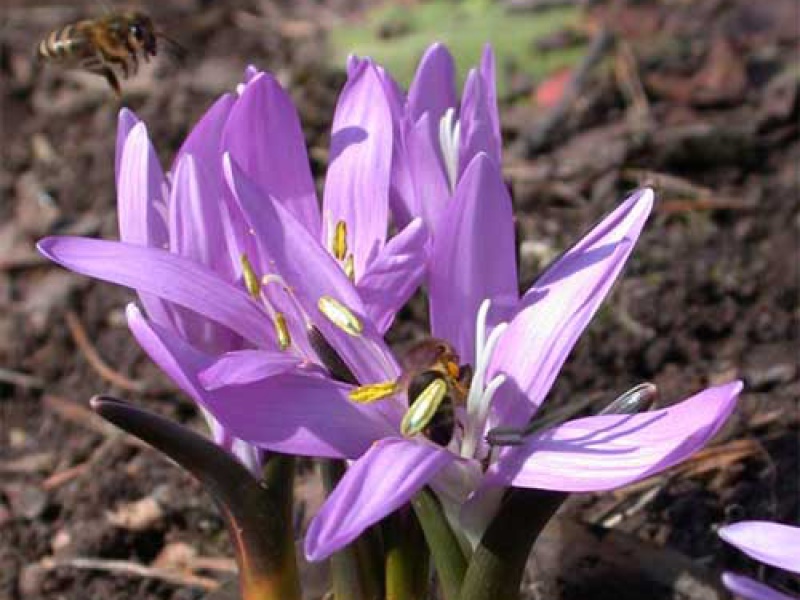
Bulbocodium
Name: derives from the Greek words 'balbos' - bulb and 'kodion' - small skin, and probably refers to the nature of the protective scales of the corm.
Flowers for the garden
Spreng
Brandushka occurs in the Mediterranean and the south of Eastern Europe, growing in a wide variety of biotopes on flood meadows, damp glades, in steppes and mountain meadows.
Flowers for the garden
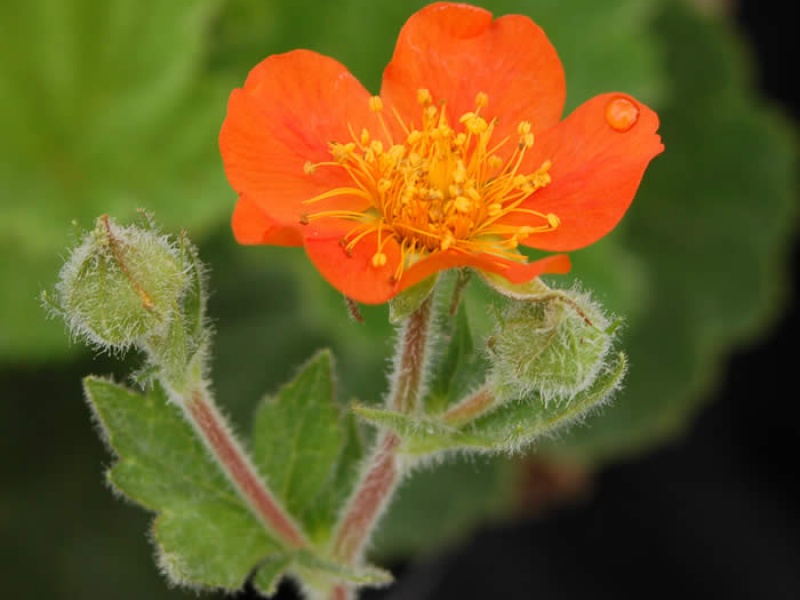
Geum coccineum
Perennial herbaceous plant 35-40 cm tall. Stems erect, pubescent.
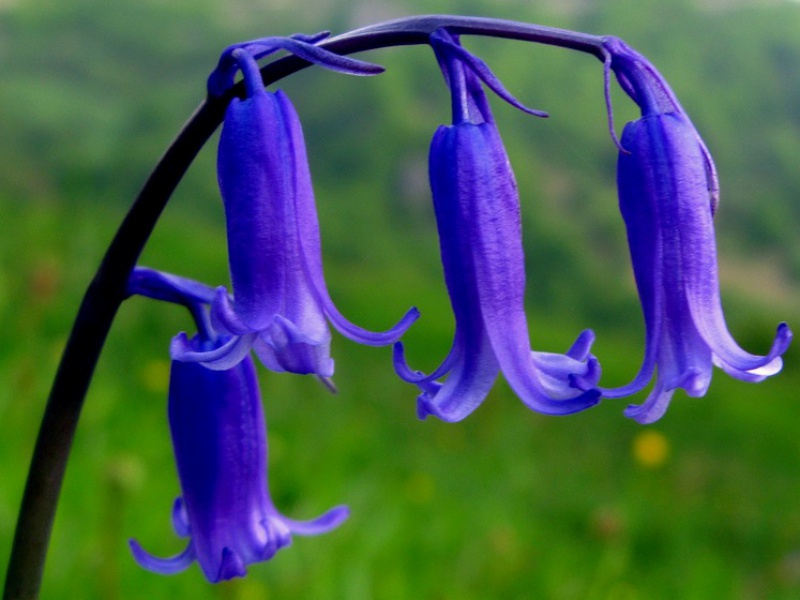
Flowers for the garden
Brimeura
Perennial bulbous plants. Flowers are arranged in a loose raceme, nodding, pale blue to blue. Perianth bell-shaped or bell- to funnel-shaped; perianth segments slightly reflexed, fused into a tube for two-thirds of thei…
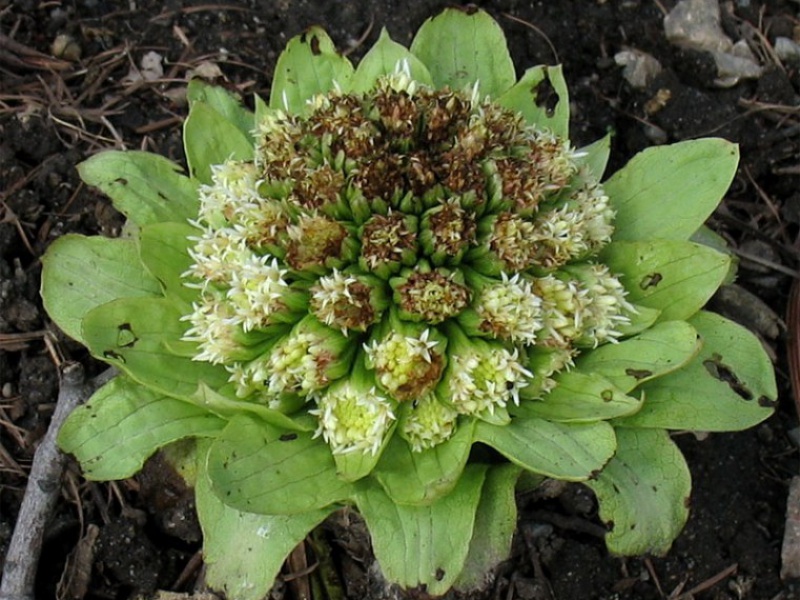
Flowers for the garden
Petasites amplus
A perennial with a long, branching rhizome. In early spring, immediately after the snow melts, dense, rounded spike-like inflorescences of small, inconspicuous yellowish-whitish flower heads appear above the ground.
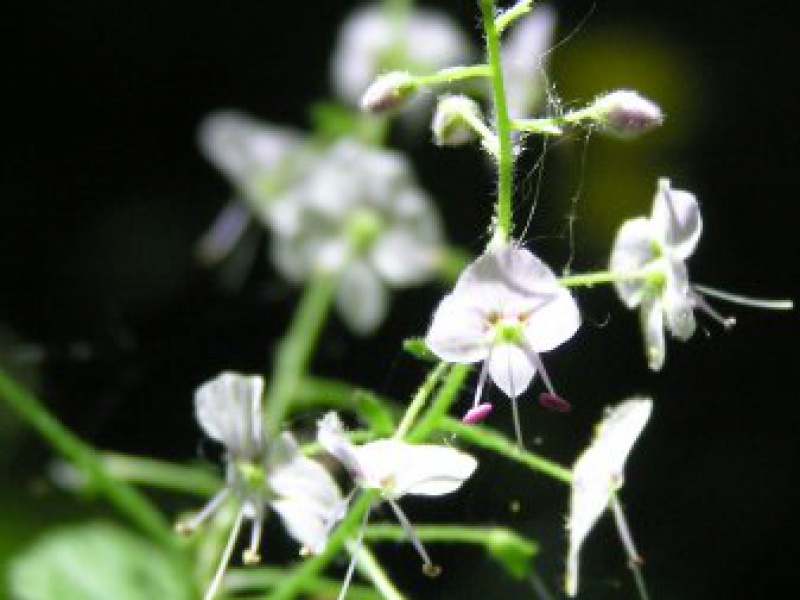
Flowers for the garden
Veronica latifolia L.
A plant up to 50 cm tall. Leaves small, entire, glabrous above, pubescent beneath. Flowers vary in color, from blue to white.
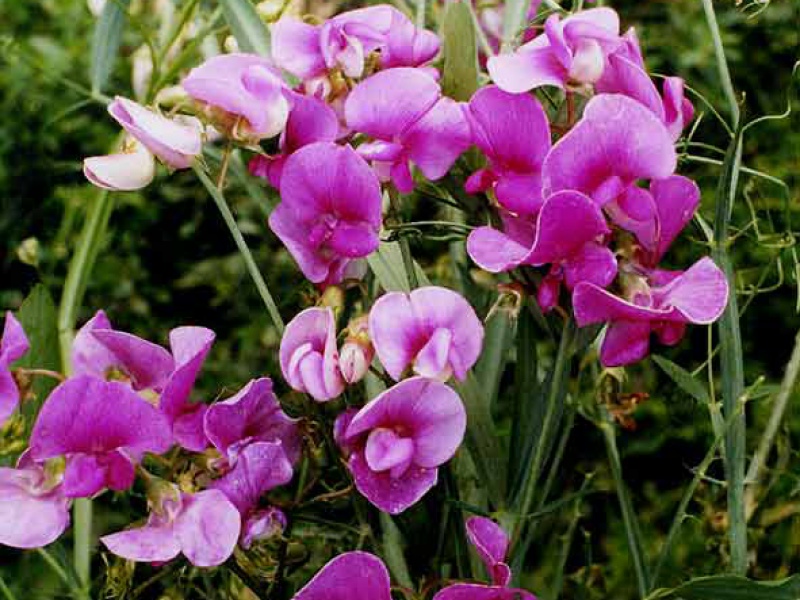
Flowers for the garden
L. latifolius L
This ornamental perennial herbaceous climber is often called the perennial sweet pea. Although they are indeed close relatives, the flowers of this vetchling, unfortunately, are scentless.
Flowers for the garden
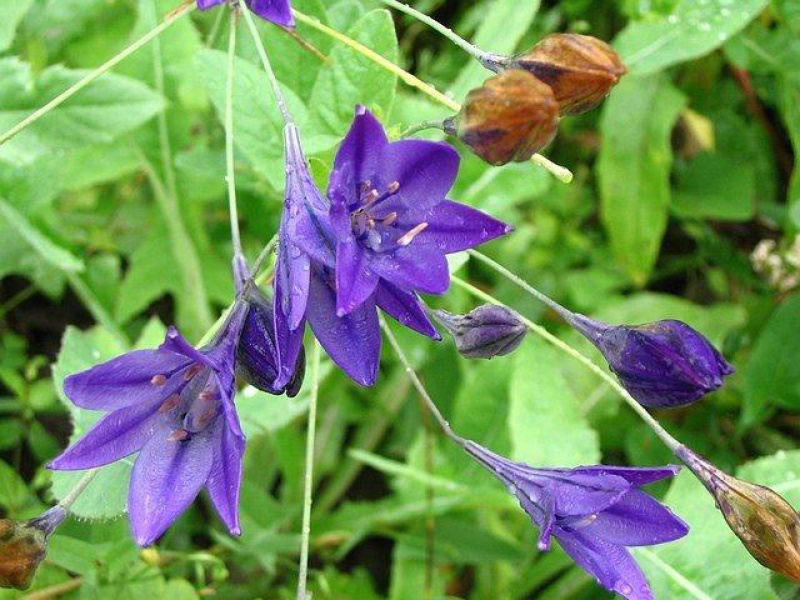
Brodiaea
Tuberous bulb almost spherical, clothed in fibers. Stem erect. Leaves linear. Perianth funnel-shaped, cut to half or more; segments more or less reflexed.
Flowers for the garden
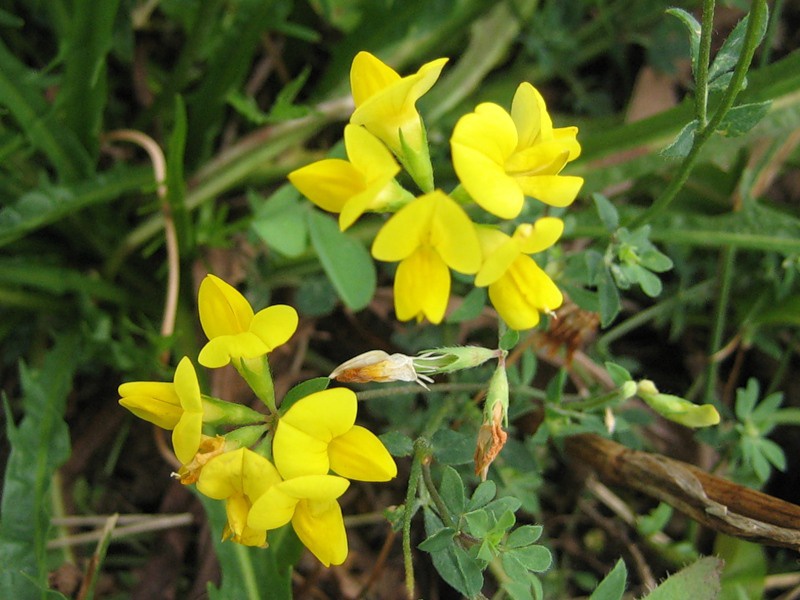
Lotus
The softly arching stems and needle-like leaves of the broom strongly resemble the lacy green of asparagus. Its flowers open in succession, delighting the eye with bright reds, oranges and yellows.
Flowers for the garden
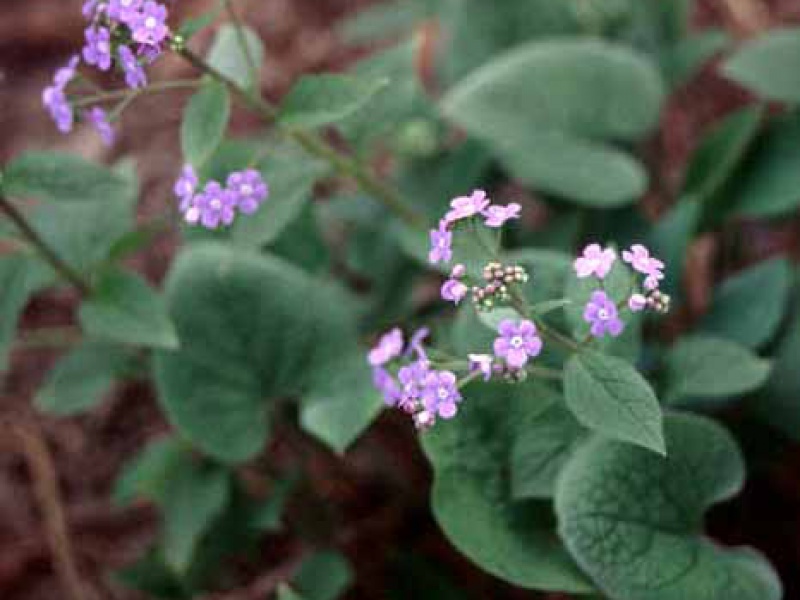
Brunnera
Three species are known, occurring in the Caucasus, Western and Eastern Siberia. Rhizomatous herbaceous perennials with large entire leaves and forget-me-not–like flowers gathered in paniculate or corymbose inflorescenc…
Flowers for the garden
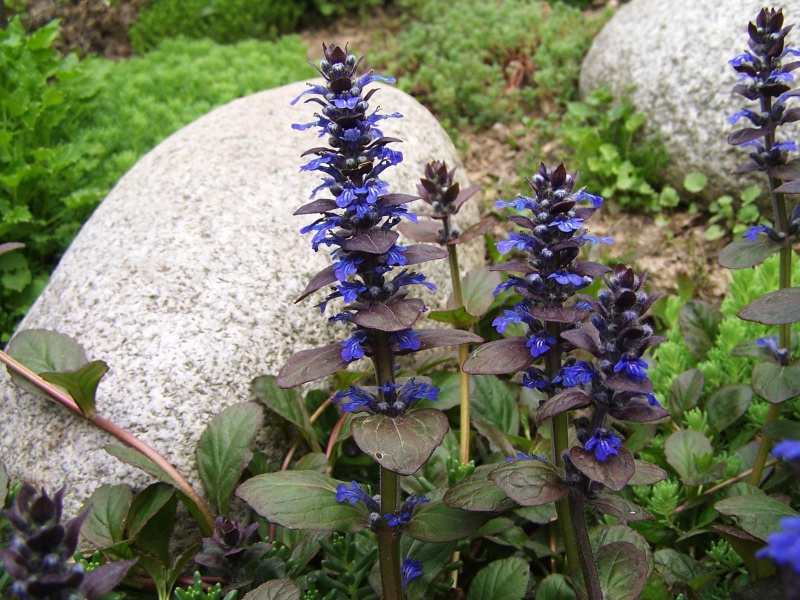
Ajuga
Known in cultivation since 1653, when it was first presented at the London Horticultural Show. This genus comprises 50 annual and perennial species, widely distributed in the temperate zones of Europe and Asia, but ther…
Flowers for the garden
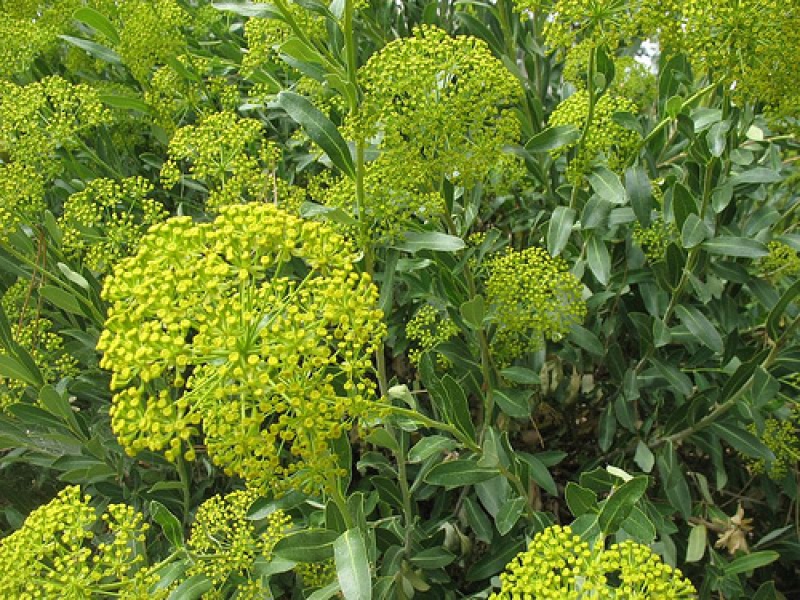
Bupleurum
Perennial or annual herbaceous plants. They grow on wet meadows, on slopes, and on sea cliffs. The root is strong, a taproot. Stem erect, up to 1 m tall.
Flowers for the garden
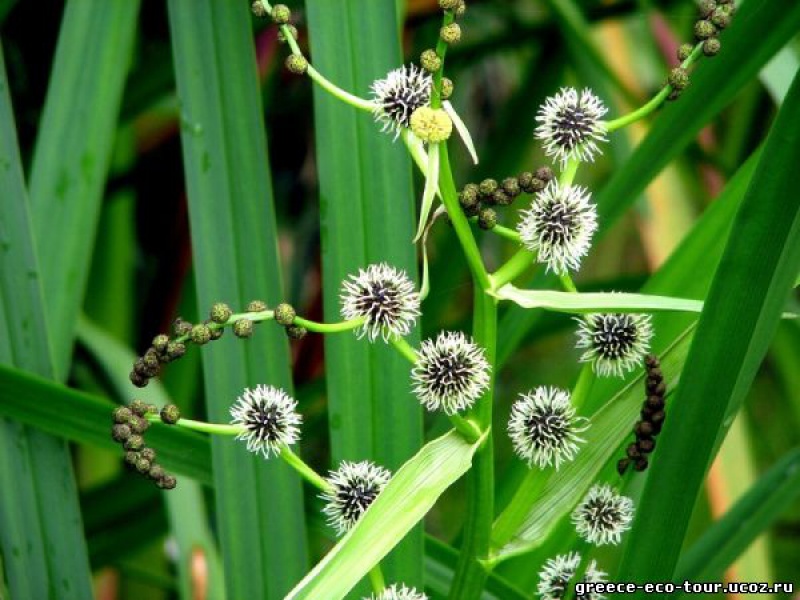
Sparganium
A perennial waterside plant prone to rapid spreading. In nature bur-reeds grow along the marshy banks of rivers, ponds, and in bogs. The capitate inflorescences of these plants consist of numerous small inconspicuous fl…
Flowers for the garden
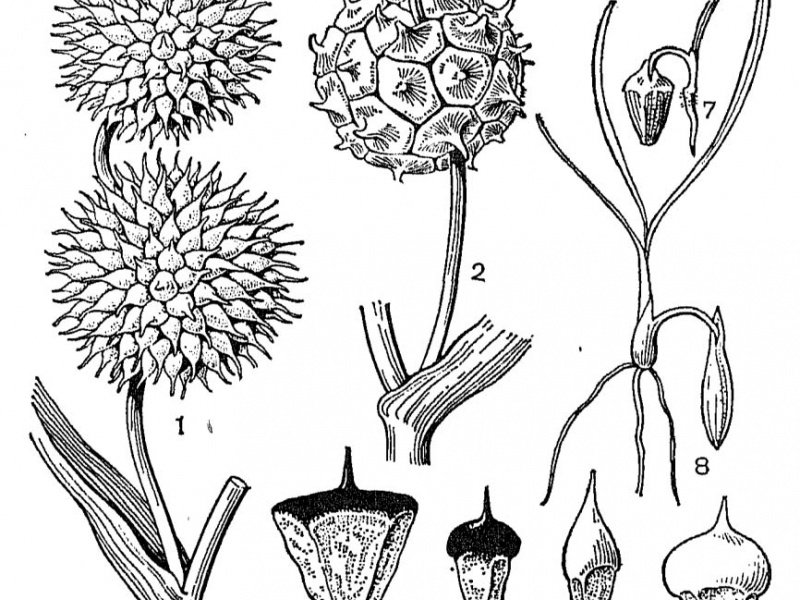
Sparganioideae
The second subfamily — the bur-reeds — is also represented by a single genus, Sparganium (bur-reed). About 15–20 species of Sparganium are known, widely distributed in subarctic, temperate and subtropical regions of the…