Plants

Catalogue of imported encyclopedia entries.

Found: 115

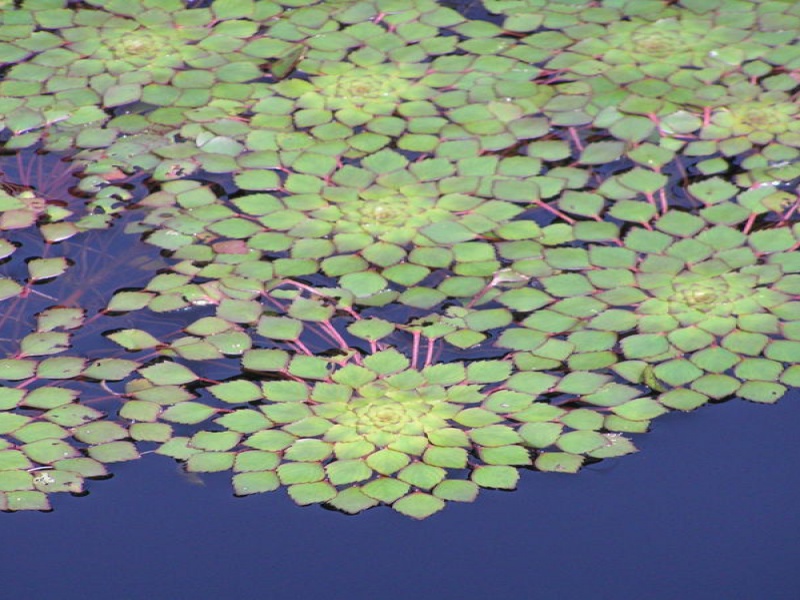
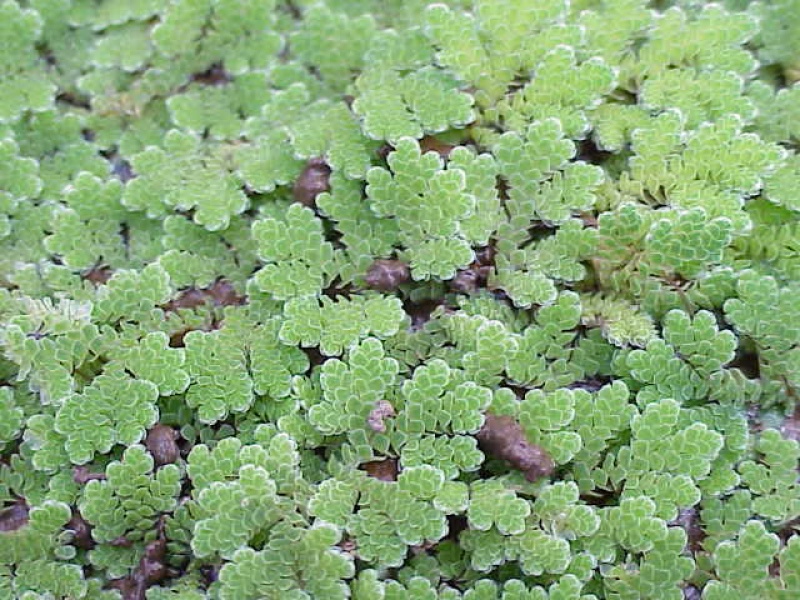
Carolina Azolla or Water Fern

Encyclopedia - Plants for ponds

Carolina Azolla or Water Fern

Azolla caroliniana

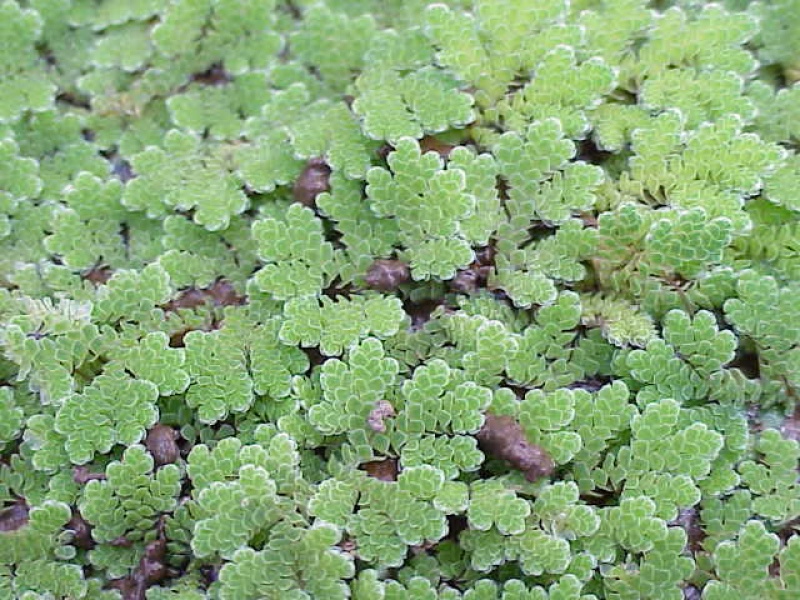
Carolina azolla occurs naturally in North, Central and South America. It has been acclimatized in Europe and is distributed in two areas in Asia. It is very rare in Europe.
Carolina azolla

Encyclopedia - Plants for ponds

Carolina azolla

Azolla caroliniana

Carolina azolla (Azolla caroliniana) - description, species, photos, care, keeping, transplanting, pests, propagation - Azolla

Cattail

Encyclopedia - Plants for ponds

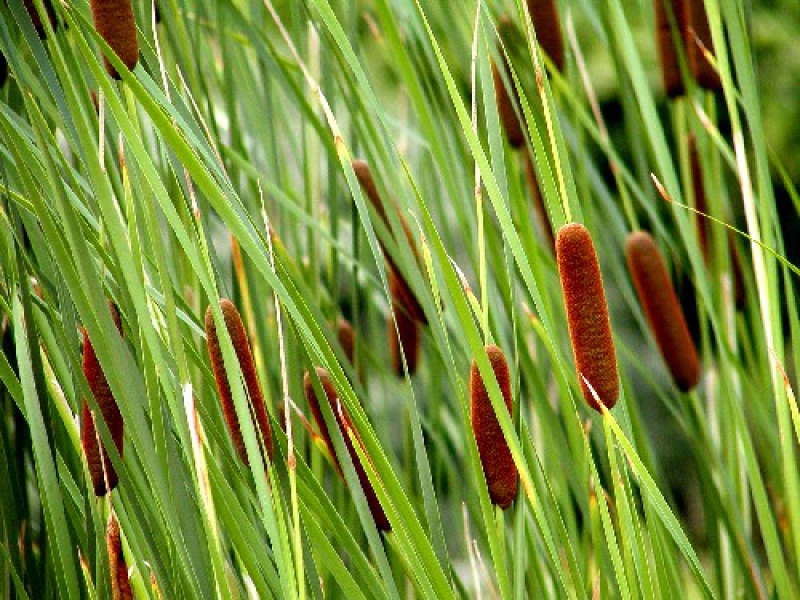
Cattail

Typha

Monoecious perennial aquatic or marsh herbs 2 to 4 m high, with long thick creeping rhizomes.

Chilim or Water Caltrop

Encyclopedia - Plants for ponds

Chilim or Water Caltrop

Trapa natans

Grows in lakes, backwaters and oxbow lakes of slow-flowing rivers, reaching up to 5 m in length. The plant has a characteristic fruit that externally resembles a bull's head, with a single large starchy seed. For this s…

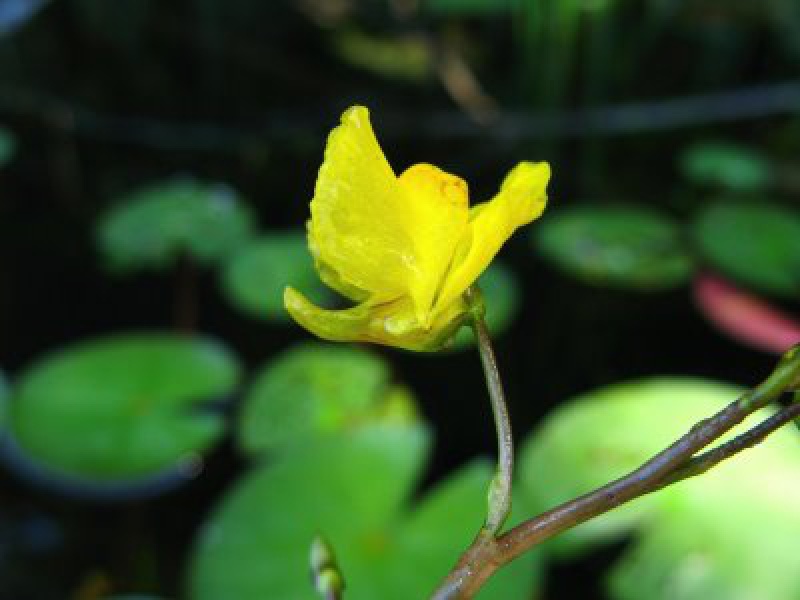
Common bladderwort

Encyclopedia - Plants for ponds

Common bladderwort

Utricularia vulgaris

Common bladderwort (Utricularia vulgaris) – a perennial aquatic plant of the genus Utricularia, family Utriculariaceae

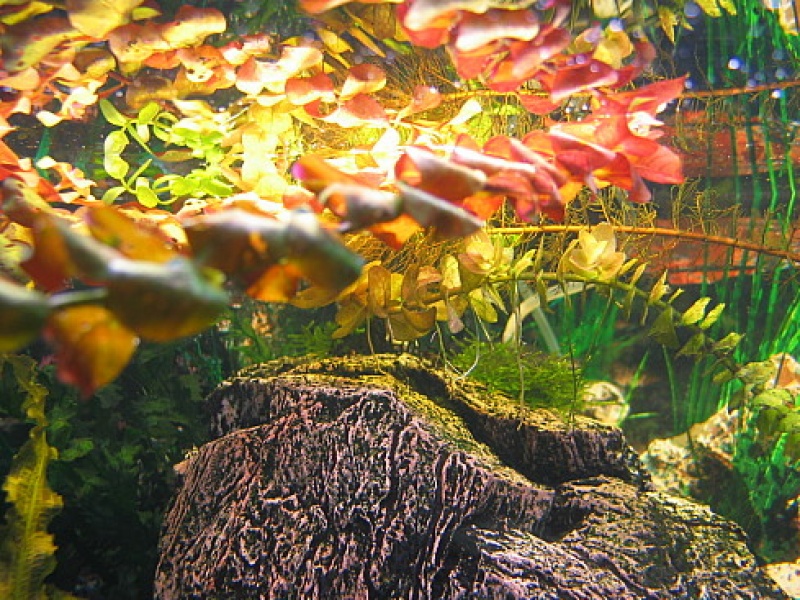
Creeping Ludwigia

Encyclopedia - Plants for ponds

Creeping Ludwigia

Ludwigia repens

Creeping Ludwigia is a long-stemmed plant with glossy oval leaves, dark green above and reddish-lilac beneath.

Curly pondweed

Encyclopedia - Plants for ponds

Curly pondweed

Potamogeton crispus

These plants are entirely submerged in water; only during flowering do the small yellowish flowers, gathered in spikes, rise above the water and are wind-pollinated.

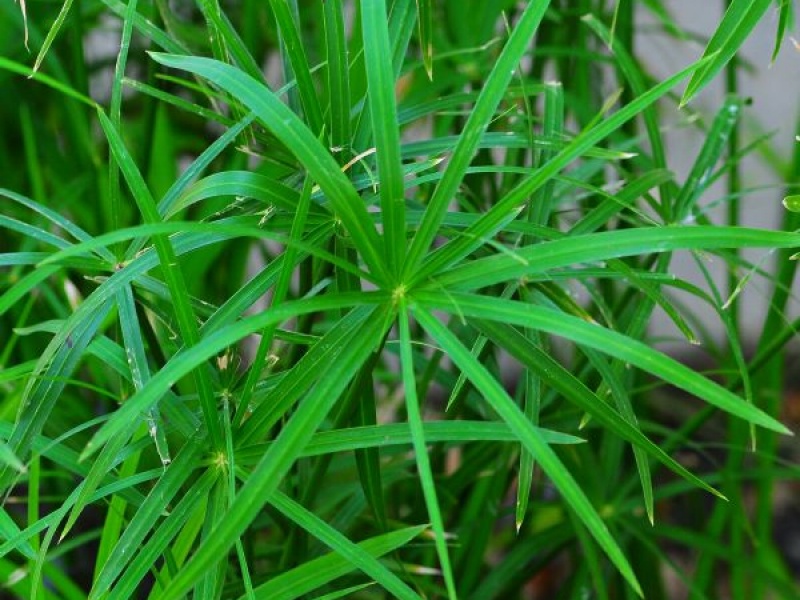
Cyperus alternifolius

Encyclopedia - Plants for ponds

Cyperus alternifolius

Cyperus alternifolius

Grows in shallow bodies of water. In greenhouses it reaches 2–2.5 m in height. Grows well indoors in pots with trays, where water must be kept constantly.

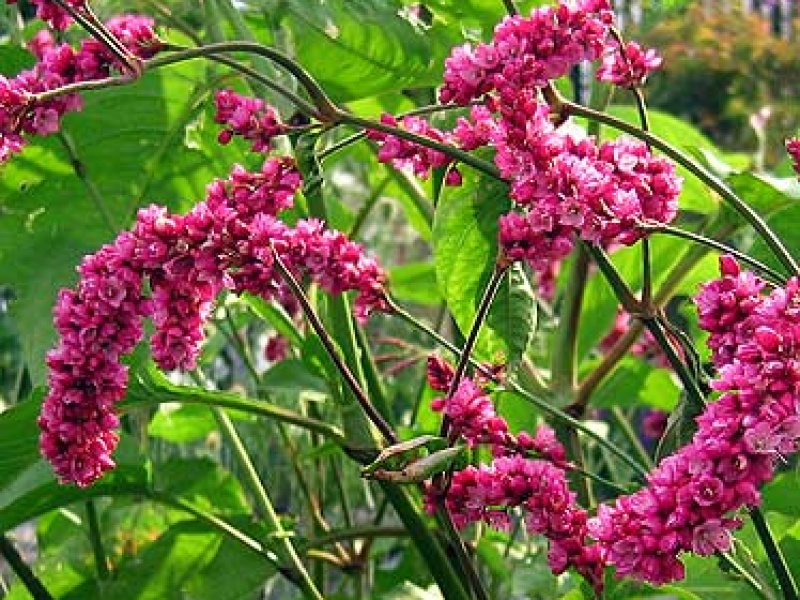
Eastern knotweed

Encyclopedia - Plants for ponds

Eastern knotweed

Polygonum orientale L.

An annual herbaceous plant up to 200 cm tall. Flowers small, red, borne in paniculate, drooping inflorescences. It bears fruit.

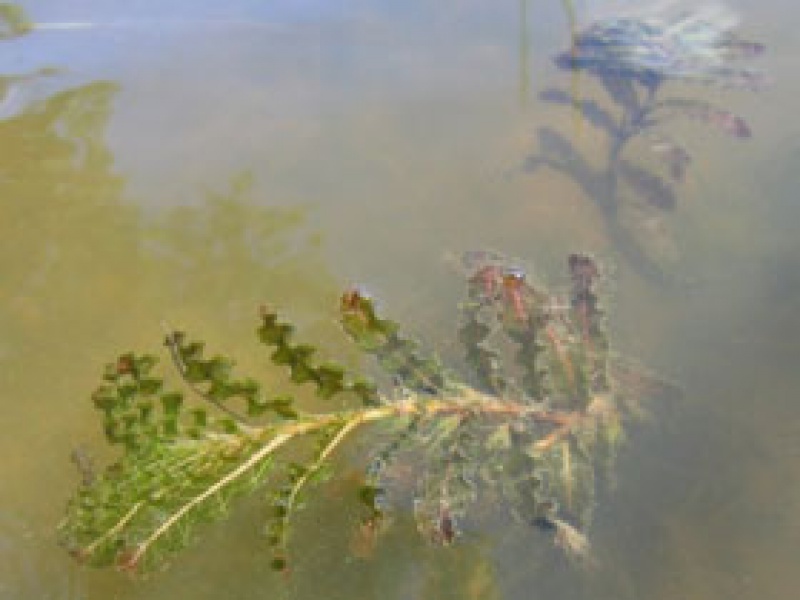
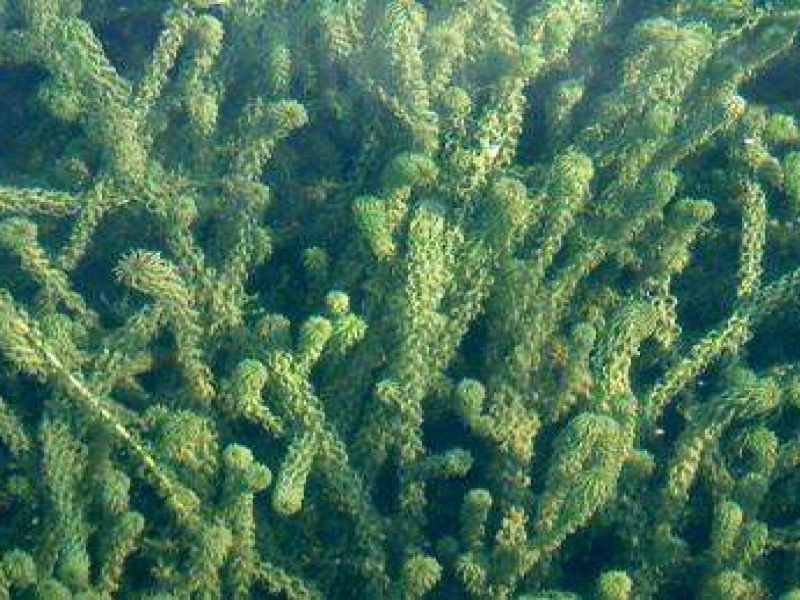
Elodea canadensis (Canadian waterweed)

Encyclopedia - Plants for ponds

Elodea canadensis (Canadian waterweed)

Elodea canadensis

It sends out long, heavily branched stems that grow extremely rapidly and often reach lengths of more than two metres. The stem, initially floating, easily takes root, producing long white roots up to 40 cm.

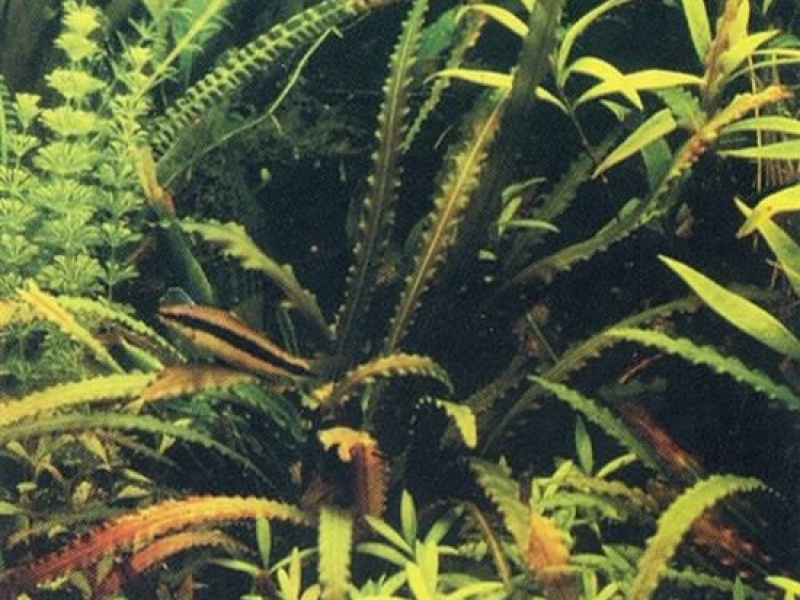
Elongated Aponogeton

Encyclopedia - Plants for ponds

Elongated Aponogeton

Aponogeton elongatus

Elongated Aponogeton - an attractive, very large plant with long slightly wavy bright green leaves reaching up to 1.5 m in length.

Floating pondweed

Encyclopedia - Plants for ponds

Floating pondweed

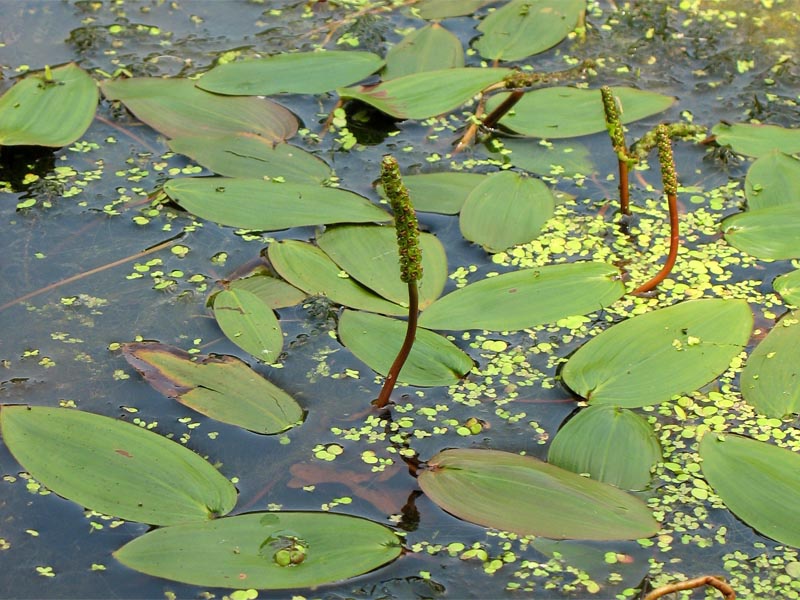
Potamogeton natans

The most noticeable are pondweeds with floating leaves. One is even called the floating pondweed (P. natans) with glossy, lacquer-like, oval leaves floating on the surface.

Floating salvinia

Encyclopedia - Plants for ponds

Floating salvinia

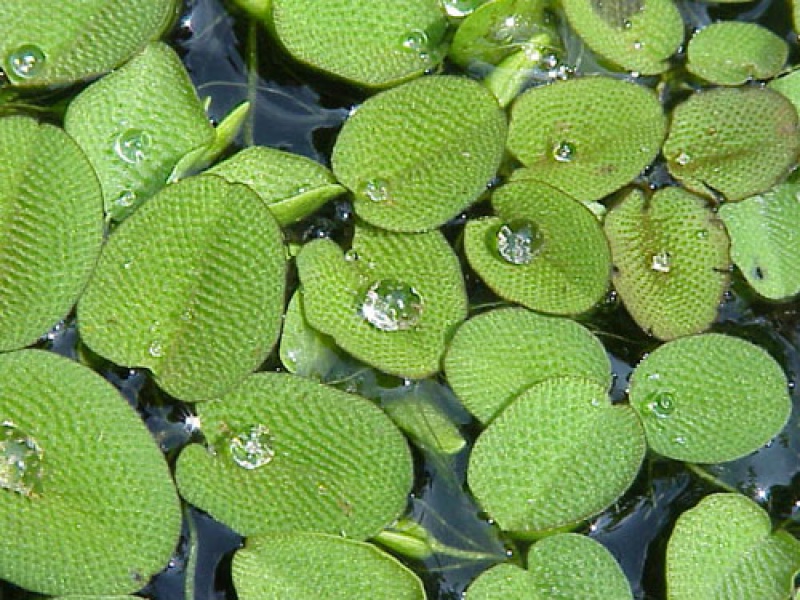
Salvinia natans

Floating salvinia, lat. Salvínia nátans — a small fern floating on the surface of bodies of water from the family Salviniaceae (Salviniaceae).

Flowering rush

Encyclopedia - Plants for ponds

Flowering rush

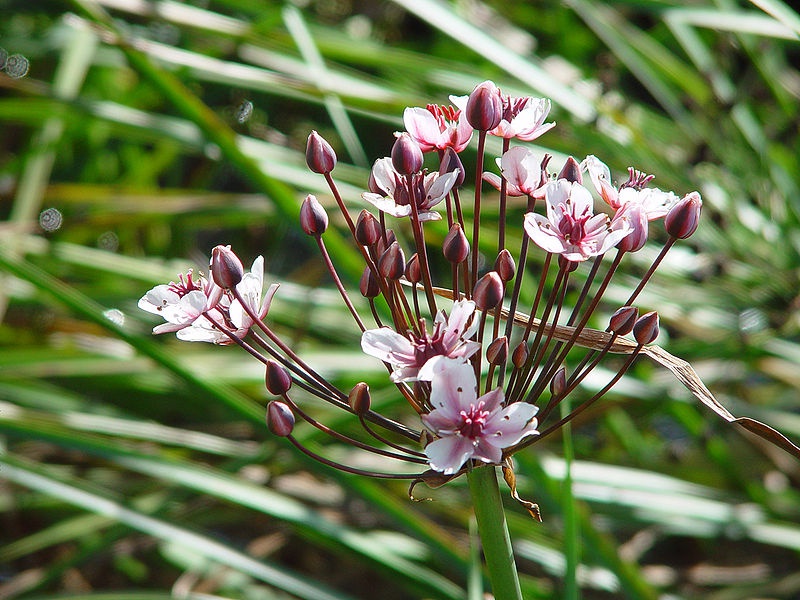
Butomus umbellatus

The flowering rush is a fairly large perennial plant with a long, thick horizontal monopodial rhizome, on the lower side of which numerous roots develop, and on the upper side two rows of three-angled linear leaves are …

Four-leaf Marsilea

Encyclopedia - Plants for ponds

Four-leaf Marsilea

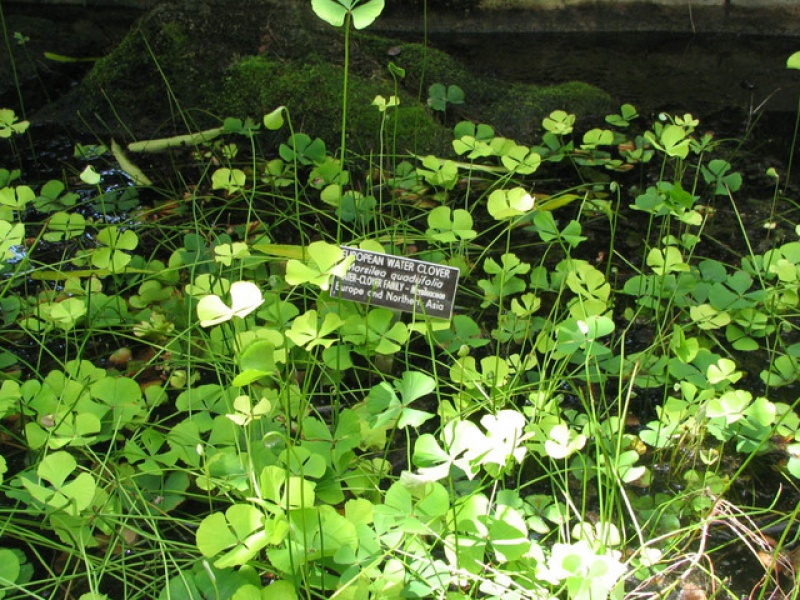
Marsilea quadrifolia

A fern with uniquely shaped leaves borne on a creeping rhizome that spreads across the substrate surface. The plant's height under aquarium conditions usually does not exceed 10–12 cm.

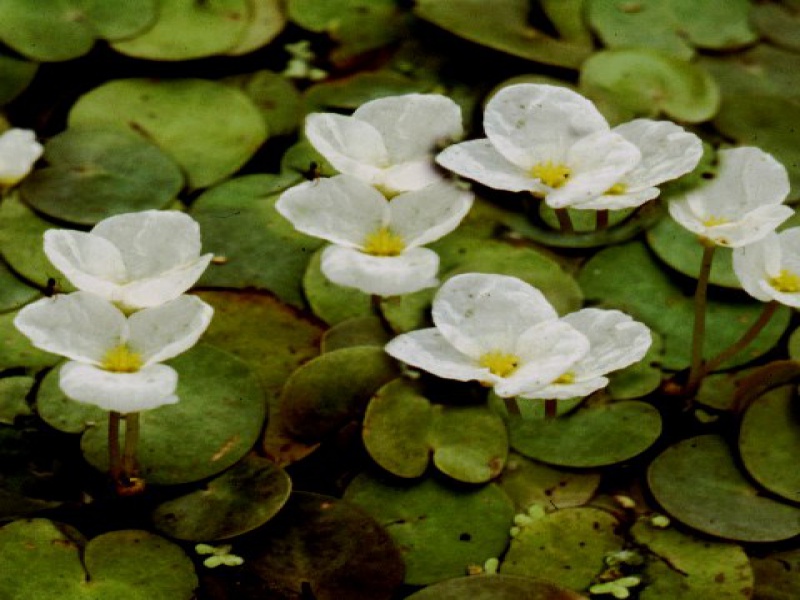
Frog-bit

Encyclopedia - Plants for ponds

Frog-bit

Hydrocharis morsus-ranae

Perennial plant. Leaves rounded, cordately notched at the base, resembling water-lily leaves reduced in size, reaching 2.5–5 cm in diameter. Numerous fleshy roots with air cavities extend downward from the short stem.

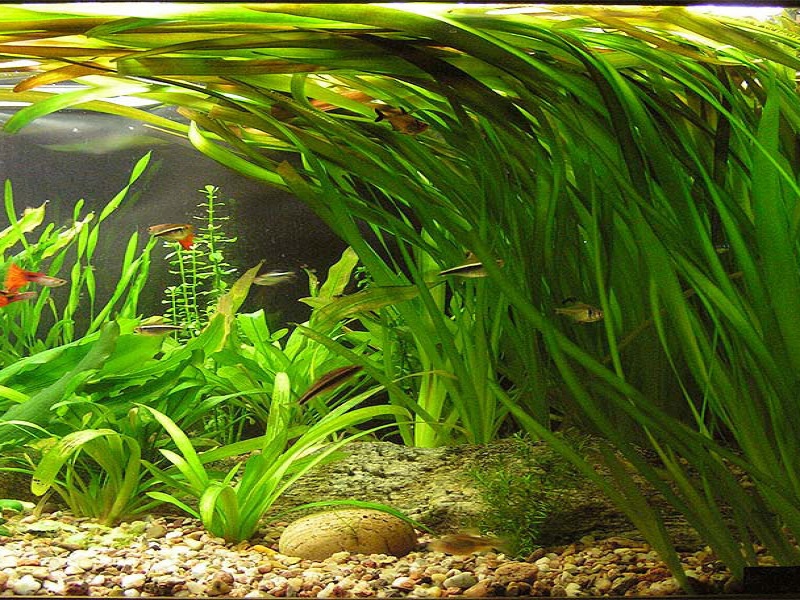
Giant vallisneria

Encyclopedia - Plants for ponds

Giant vallisneria

Vallisneria gigantea

Giant vallisneria is a large plant with linear leaves of bright or dark green color reaching lengths of more than 1 m. Giant vallisneria should be kept in a large-volume aquarium.

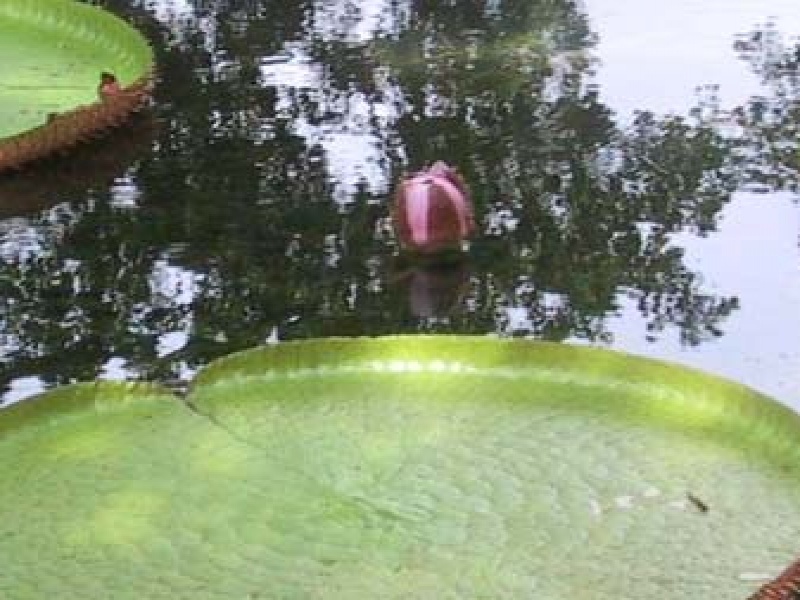
Giant water lily

Encyclopedia - Plants for ponds

Giant water lily

Nymphaea gigantea Hook

A day-blooming plant with a large flower. Flowers are blue, purplish-pink, rarely white. Grows well in deep warm water and a nutrient-rich soil mix.

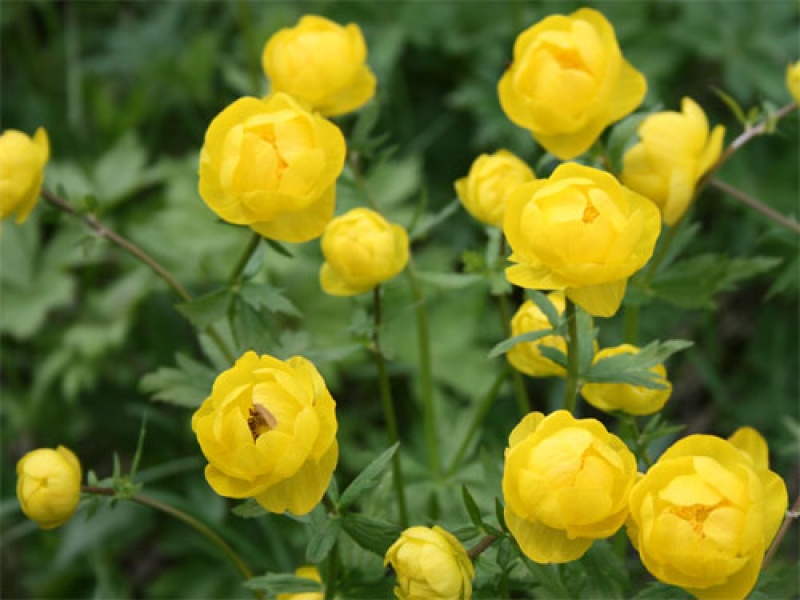
Globeflower

Encyclopedia - Plants for ponds

Globeflower

Trollius

Derived from the German word 'Trollblume' — troll flower. According to folk belief, these plants were favorites of the fairy forest creatures — trolls.

Guadeloupe naiad, small-toothed

Encyclopedia - Plants for ponds

Guadeloupe naiad, small-toothed

Najas guadelupensis

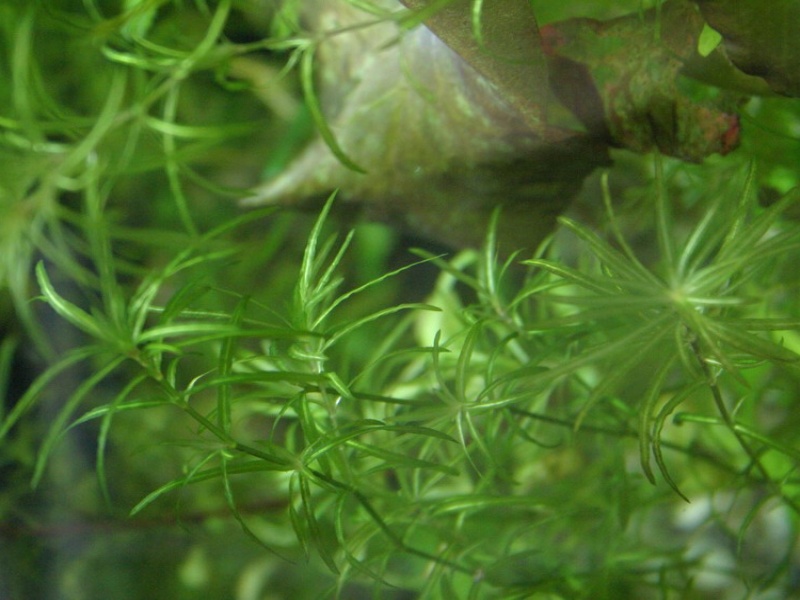
Genus: Najas. The entire plant is submerged. Whorls of leaves occur on a long brittle stem. Sometimes the leaves are opposite.

Heartleaf Aptenia

Encyclopedia - Plants for ponds

Heartleaf Aptenia

Aptenia cordifolia

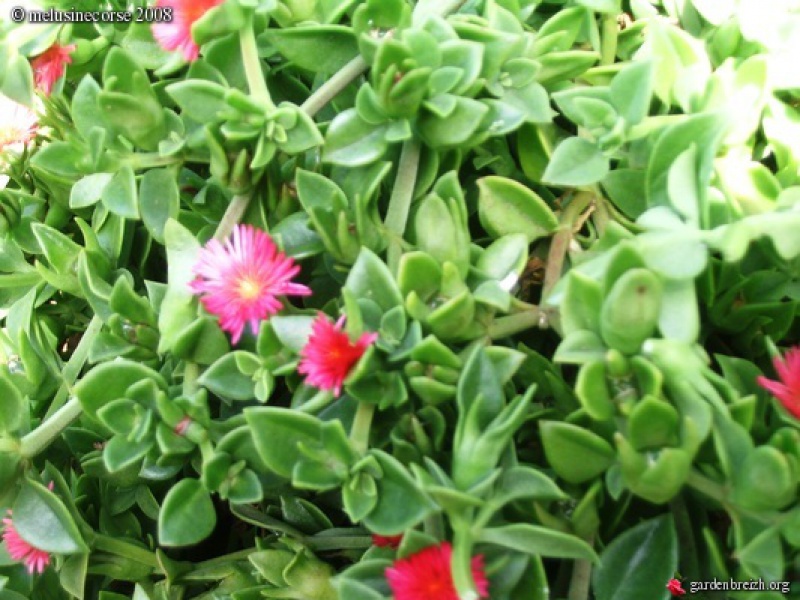
This plant, a succulent, is adapted to survive in arid conditions. It stores and retains moisture in its fleshy leaves and stems. In its native South Africa (zones: 9-11) it grows as a perennial.

Heteranthera (sharp-leaved)

Encyclopedia - Plants for ponds

Heteranthera (sharp-leaved)

Heteranthera zosterifolia

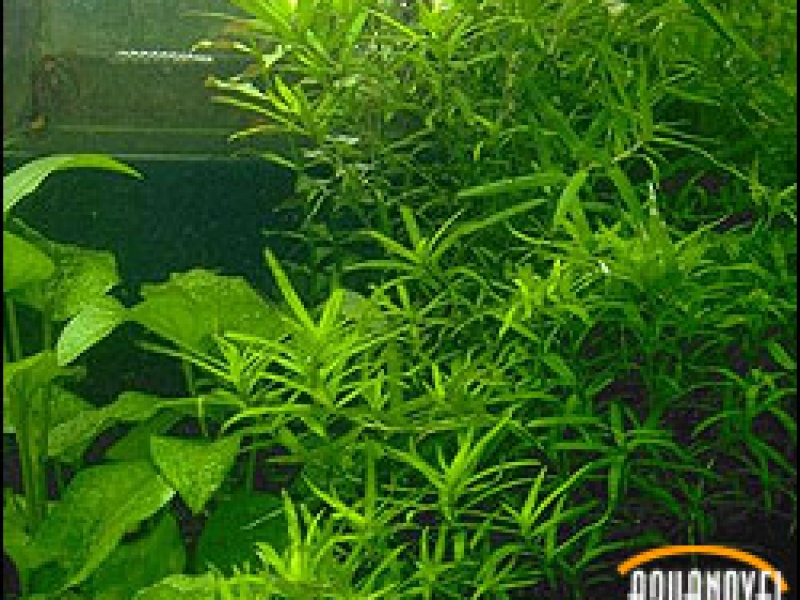
Heteranthera (sharp-leaved) is a very delicate long-stemmed plant with light-green narrow leaves. Stems can reach 40–50 cm in length, but Heteranthera is more suitable for a small aquarium with a low water level.

Hippuris

Encyclopedia - Plants for ponds

Hippuris

Hippuris

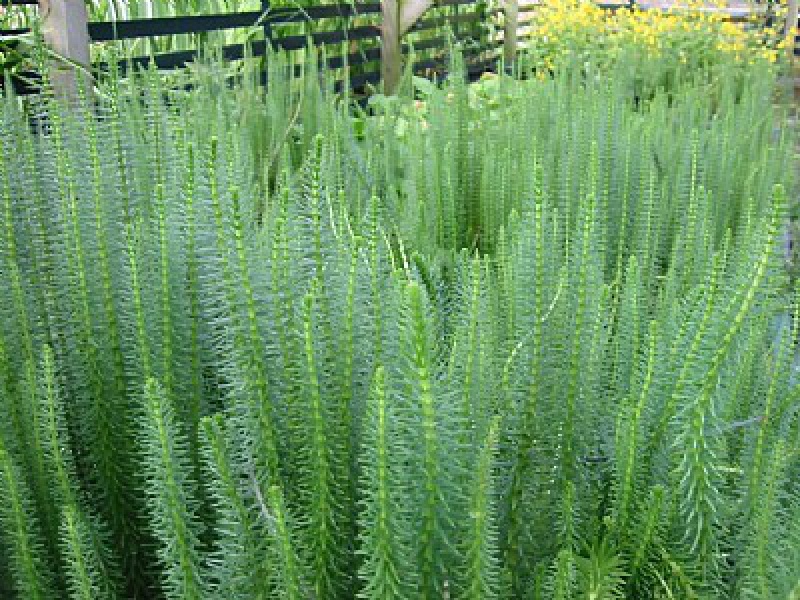
Hippuris is an amphibious emerald-green perennial with creeping rhizomes and erect simple stems up to 50 cm or more in height.

Hornwort

Encyclopedia - Plants for ponds

Hornwort

Ceratophyllum

The depth at which hornwort grows varies. This is due to the plant being shade-loving and sensitive to light (experiments have shown that under bright illumination the plant dies), and therefore it "chooses" the depth t…