
Climbing plants
Wisteria
Wisteria
Synonyms: wisteria
Wisteria – a genus of plants in the family Fabaceae. The name was recorded by the English botanist and zoologist Thomas Nuttall (1786-1859) and comes from the surname of the American professor of anatomy at the University of Pennsylvania Caspar Wistar (1761—1818).
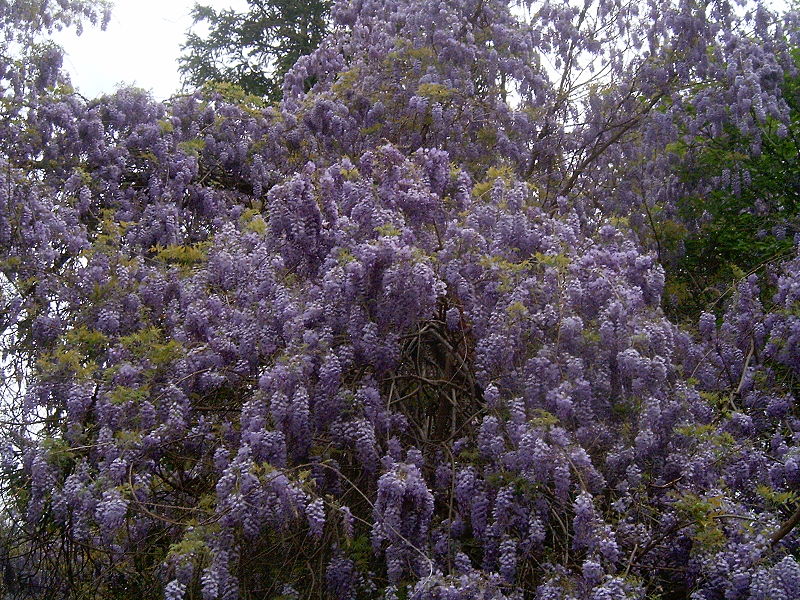
Species of this genus are subtropical, tree-like deciduous, less often semi-deciduous lianas, woody at the base, native to subtropical regions of East Asia and North America. It grows in the forests of China in Hubei and Sichuan provinces. Widely cultivated worldwide as an ornamental plant, but prefers a humid subtropical climate. In Ukraine it is mainly cultivated in Crimea.
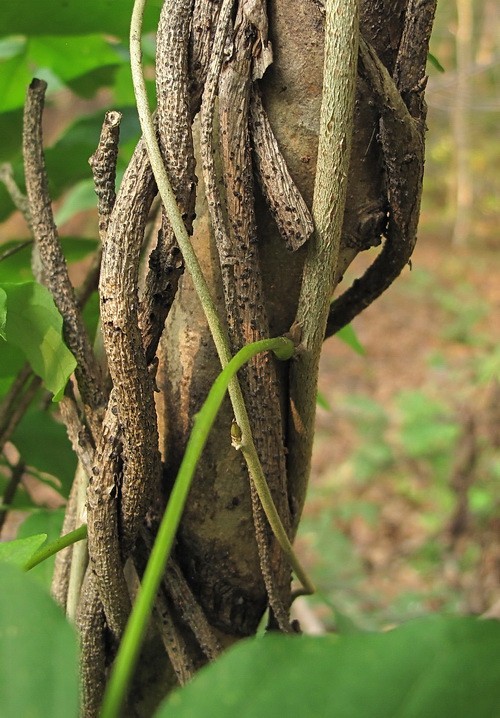
They are perennial plants reaching 15-18 m in height, with pendent climbing branches and bare, less often pubescent shoots. A vine can reach 40 cm in diameter, twining clockwise or counterclockwise around any support. The bark is gray, shoots are thin and green. They live up to 150 years. Growth is rapid.
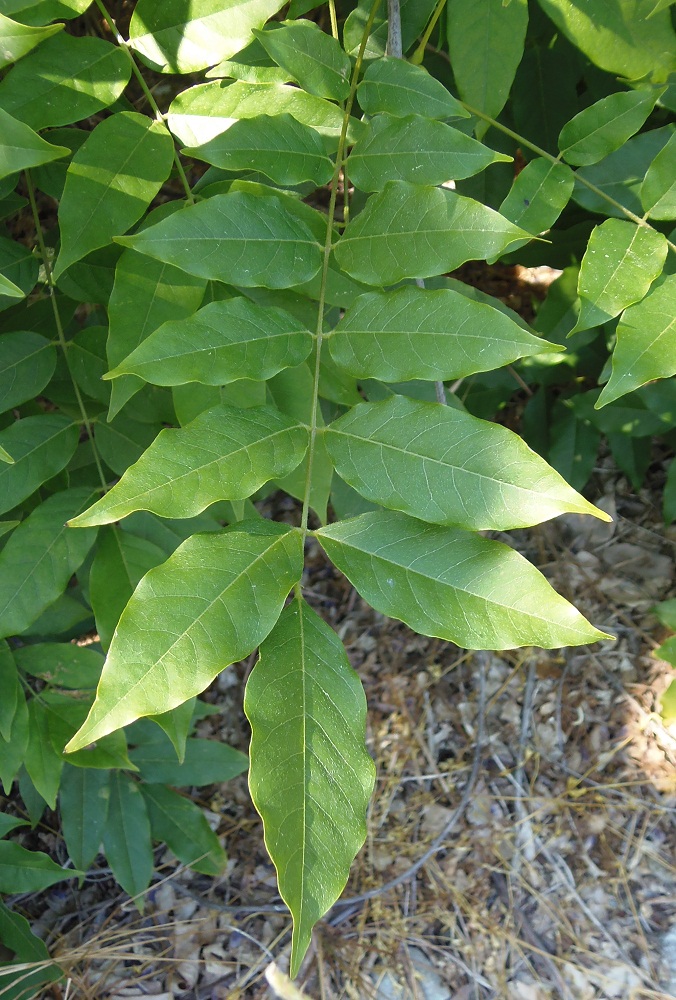
Leaves alternate, pinnately compound, odd-pinnate, up to 30 cm long, composed of 7-13 narrowly elliptic or ovate-lanceolate leaflets, in youth glabrous or pubescent, later glabrous, light or dark green.
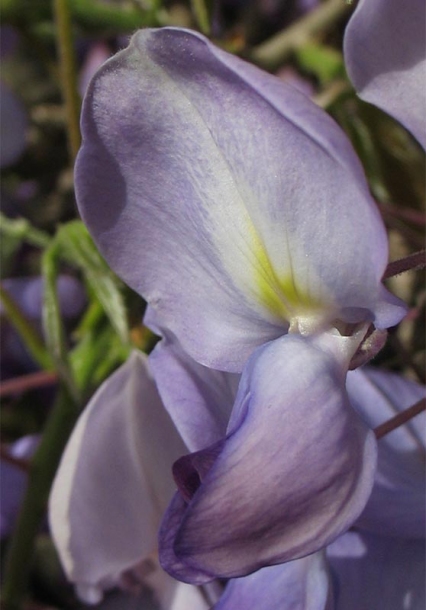
Blooms in spring in late March or in May (Asian species) and in mid to late summer (American species). Chinese wisteria flowers simultaneously with the emergence of leaves and again in September. Flowers are pendent, many-flowered, dense, racemose clusters, 10-80 (100-120) cm long. The perianth is zygomorphic. Flowers are pink, in all shades of blue and purple, less often white, opening either simultaneously or from the base to the tip, with a delicate fragrance or without scent. The corolla is snow-white.
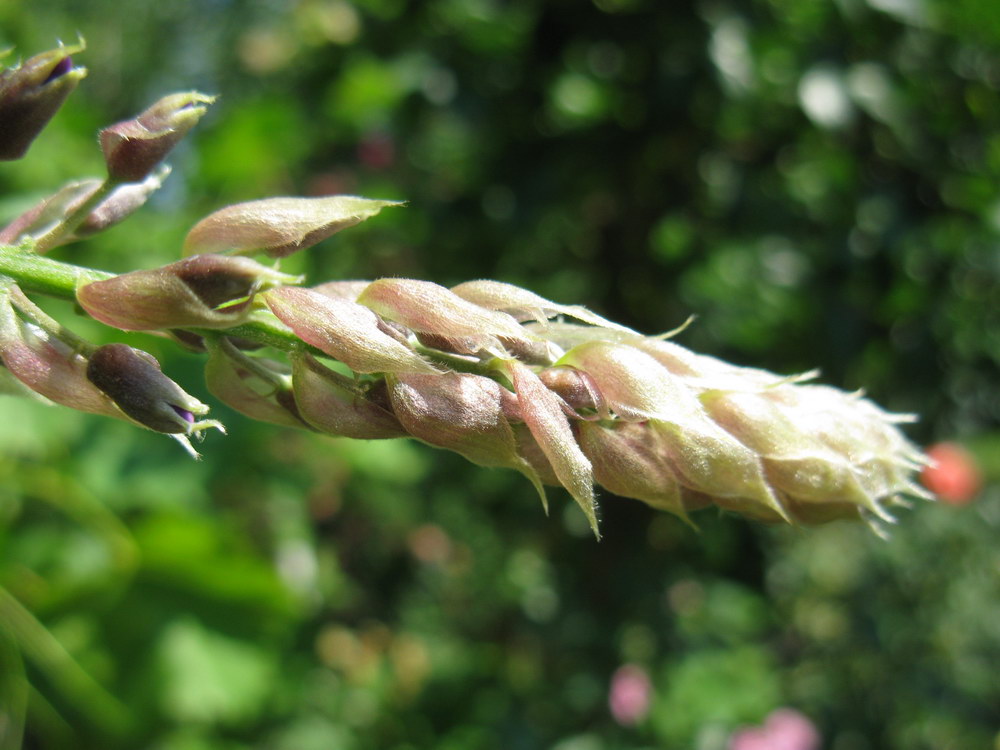
Unopened inflorescence of Wisteria floribunda
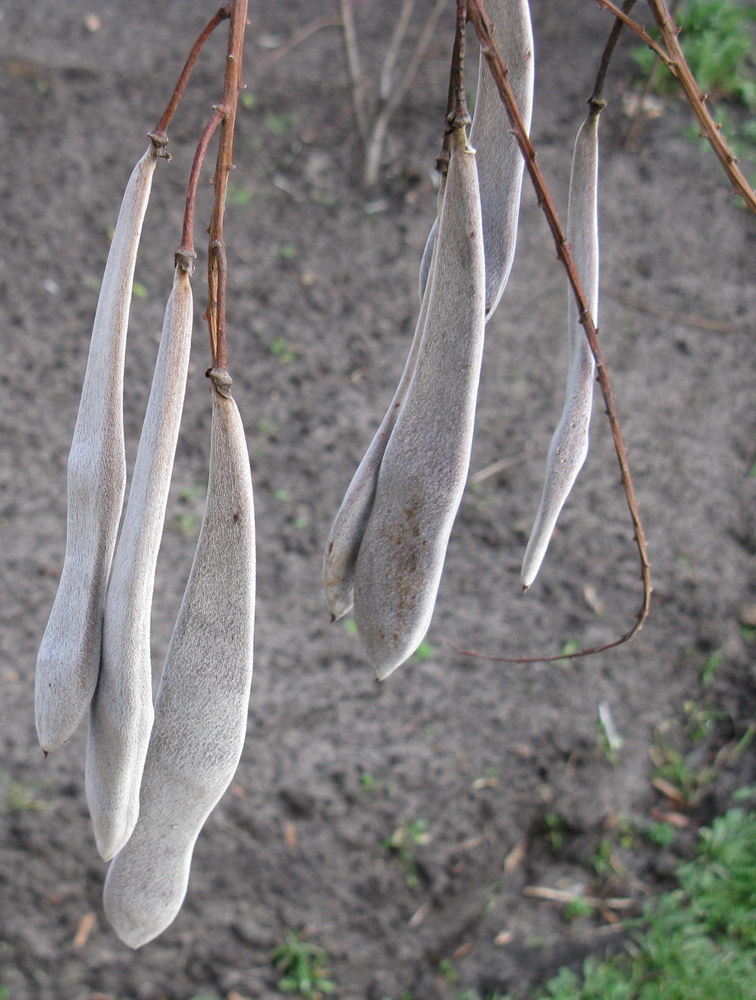
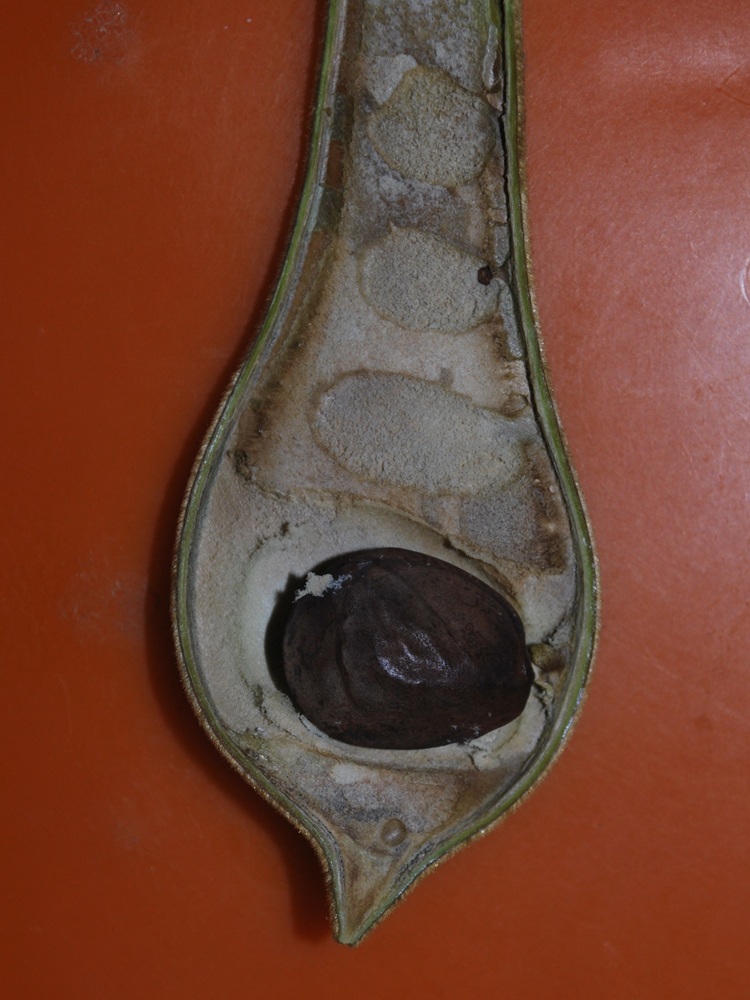
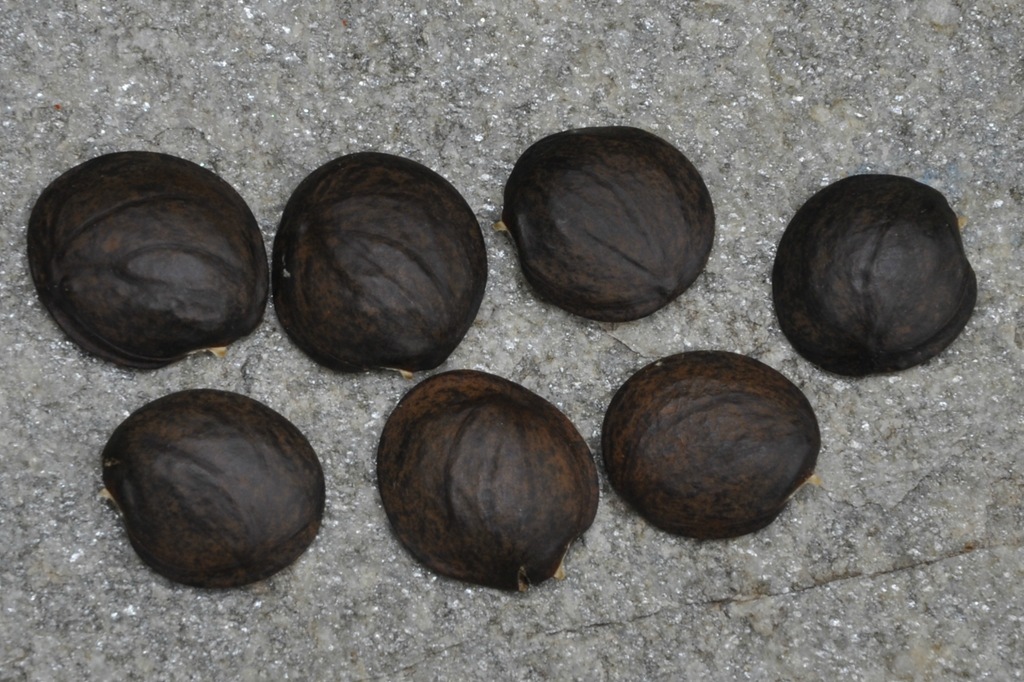
Fruits are densely pubescent legume pods up to 15 cm long, containing several flat-round seeds inside that are black-brown in color.
Most members of the genus are poisonous.
Species: the genus comprises 9 (10) species:
- wisteria brachybotrys (Wisteria brachybotrys Siebold & Zucc.),
- wisteria brevidentata (Wisteria brevidentata Rehder),
- wisteria floribunda (Wisteria floribunda (Willd.)),
- wisteria frutescens (shrublike wisteria) (DС (Wisteria frutescens (L.) Poir.),
- wisteria macrostachya or large-clustered wisteria or American wisteria (Wisteria macrostachya (Torr. & Gray) Nutt. ex BL Robins. & Fern.),
- Chinese wisteria (Wisteria sinensis (Sims) DC.),
- silky wisteria (Wisteria venusta Rehder & Wils.),
- hairy wisteria (Wisteria villosa Rehder.),
- beautiful wisteria (Wisteria ventusa).
Hybrids: Wisteria ×formosa — a hybrid of Chinese wisteria and Wisteria floribunda.
Hardiness zone: 7 (-23°C). Young plants require winter protection.
Location: recommended relative humidity 65-75%, illumination 2500—6500 lx. Water abundantly in summer, sparingly in winter (for indoor overwintering). FOR indoor overwintering recommended temperature +8+10 °C. Choose a site protected from strong and cold winds, in the sun (at least 6 hours a day). An ideal location is the south-facing wall of a house or fence; southeast or southwest exposures also suit. Generally does not bloom in open, exposed sites. Mature plants are drought-tolerant and heat-resistant.
Soil: prefers light, well-drained, fertile soil; does not like very wet or calcareous soils.
Planting: recommended planting mix: topsoil, peat, humus and sand in a ratio of 3:1:1:1. Planting hole dimensions – 60x60x50 cm.
Care: requires a strong and reliable support, as well as regular tying of shoots. In winter the plant is removed from the support and laid on the ground for shelter.
Pruning: to control growth, side shoots can be pruned in mid-summer by 20-40 cm. Standard forms can be created. Flowers form on older wood or on last year’s shoots, as well as on short flowering shoots of the current year. For abundant flowering it is recommended to prune last year’s shoots annually at the end of May to a length of no more than 30 cm. In August shorten the current year’s growth by 4-5 buds. Early in spring, after removing covers and tying to the support, shorten last year’s growth by 2-3 buds.
Propagation: can be propagated by seed, but cultivar characteristics are not retained and flowering is later and less abundant. English nurseries use only two propagation methods – layered cuttings and winter grafting onto pieces of wisteria root. Cuttings are taken in May-June; cut 20-25 cm long one-year-old matured shoots for cuttings.
Pests: green aphid, clover mite, leafhoppers.
Diseases: bud pyriculariosis
Uses: in ornamental horticulture only two species are commonly used - Chinese wisteria (W. sinensis) and W. floribunda. Used to decorate gazebos, pergolas, fences, houses, terraces, balconies. Indoors can be grown as bonsai. Can also be grown in large pots and tubs in greenhouses and conservatories.