
Indoor plants
Senecio
Senecio
The name comes from the Latin word 'senex' — old. Family Asteraceae (Compositae). This is a large genus, numbering about 3000 species in the wild. The native range of species commonly cultivated includes southern and southwestern Africa, the island of Madagascar, and the Canary Islands.
Rowley's senecio Senecio rowleyanus - a succulent plant with trailing long stems that root at the nodes. Leaves are spherical (bead-like), alternately arranged, on short petioles. Flowers are white, tubular, lightly scented, gathered in terminal head-type inflorescences. Grown as a hanging (ampel) plant.
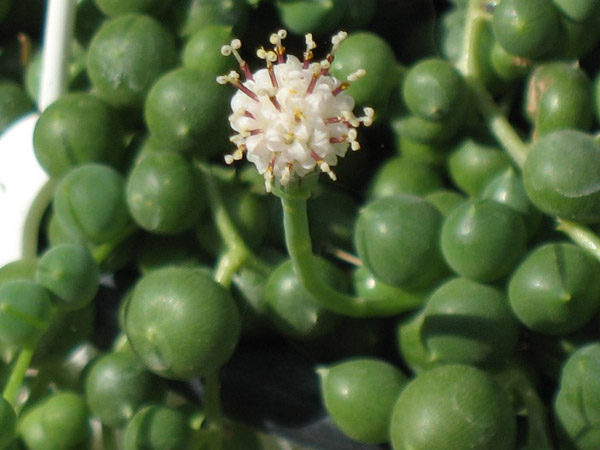
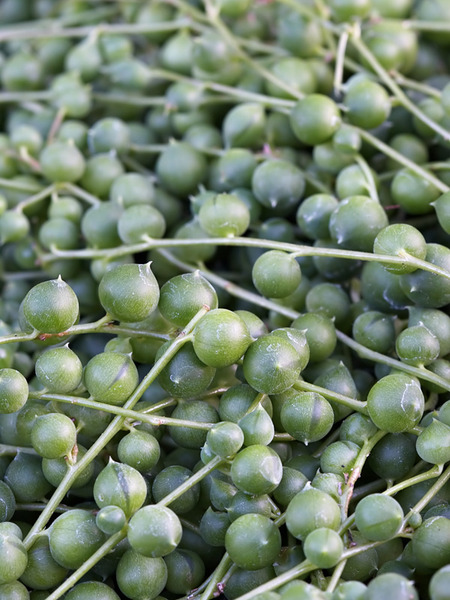
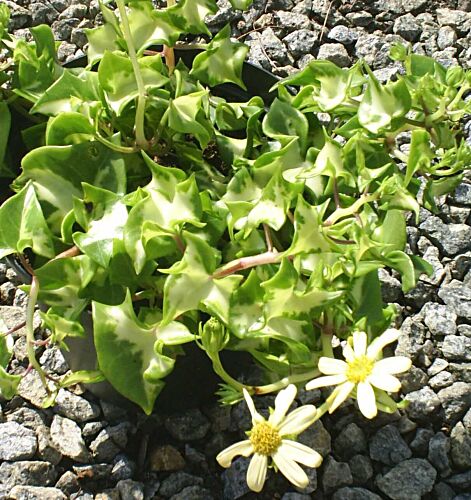
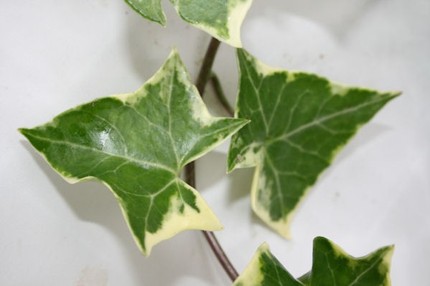
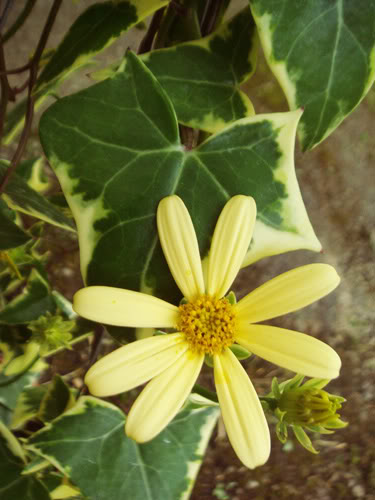
Large-ligulate senecio Senecio macroglossus - a liana with brownish stems. Leaves are alternate, on short petioles, triangular-sagittate in shape, dark green with a waxy sheen. There are varieties with variegated leaves, having white or yellow spots or bands along the margins. It can bloom in winter with yellow flowers gathered in terminal or axillary heads. It is known as "Natal ivy" and is often confused with common ivy, although the leaves of this senecio are considerably larger.
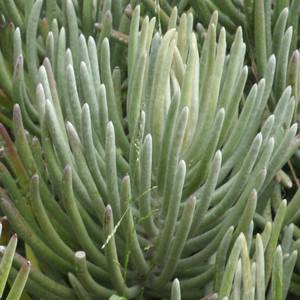
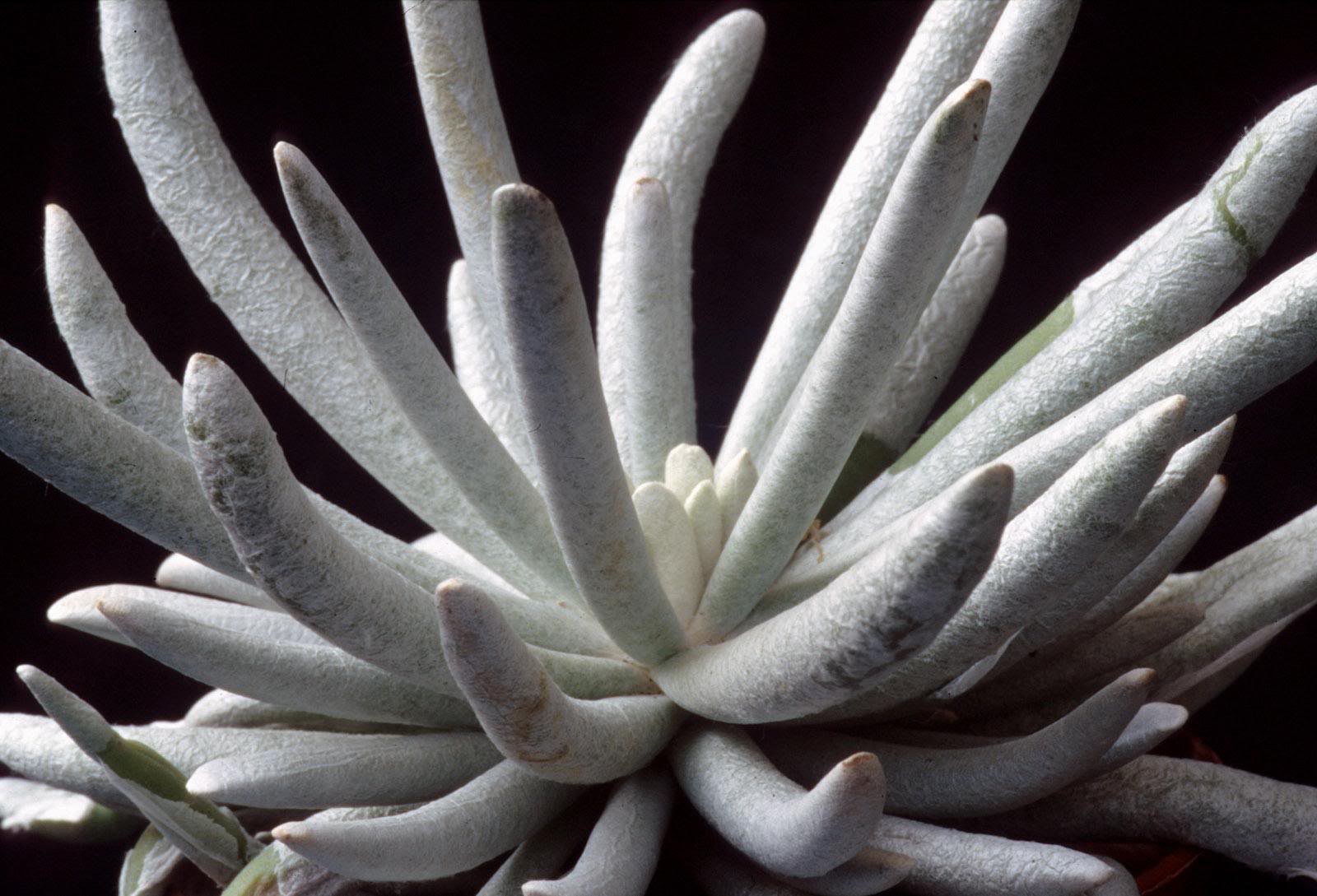
Arrow-bearing senecio Senecio scaposus - a succulent plant with a short prostrate stem. Leaves form a dense rosette. Leaves of two types: flat, broad and short; and long, cylindrical in shape. Young leaves are covered with silvery pubescence; older leaves are smooth and green. Flowers are gathered in head-type inflorescences on very long peduncles.
Care tips
Temperature: moderate or cool in summer. In winter optimal 15–17 °C. Winter minimum 12 °C.
Light: prefers a well-lit location with some direct sunlight. East and west-facing windows are suitable.
Watering: plentiful in summer; the soil should be kept consistently moist. In winter water moderately; the soil should not dry out, but should not be too wet.
Fertilizer: from March to August feed with a complete fertilizer for ornamental-leaved houseplants. Apply every two weeks.
Air humidity: all succulent Senecio species, including Senecio rowleyanus, tolerate dry air. Senecio macroglossus prefers humid air and requires frequent misting in summer, and also in winter if kept in a warm room. If possible, occasionally rinse under the shower.
Repotting: young plants every spring, older plants every two years. Soil mix: 1 part turf/topsoil, 1 part peat, 1 part humus, 1 part leaf mold (leaf soil) and 1 part sand.
Source: www.iplants.ru