
Deciduous trees
Matsudana Willow
Salix matsudana
Synonyms: Salix matsudana Koidz., Matsuda willow, Peking willow, Salix globosa, Chinese willow, Hankow Willow, Globe Willow
Matsudana willow (Salix matsudana) – a species of flowering plants in the genus Salix (willows) of the family Salicaceae. In the wild it grows in southern Manchuria, Korea, and northern China (as far as Gansu province). The species is named after the well-known Japanese botanist Sadahisa Matsudo. In cultivation since 1913. Introduced into cultivation throughout Europe, North America, and Australia.
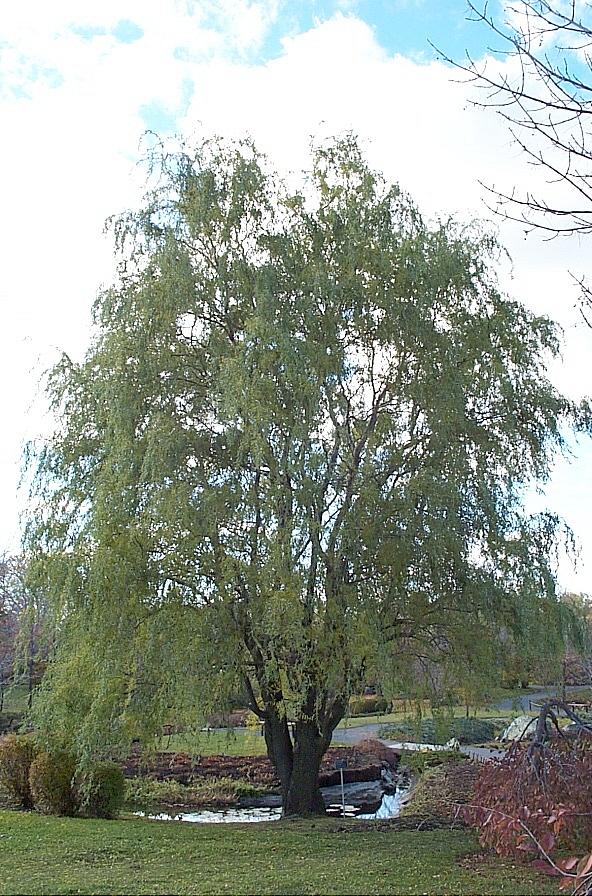
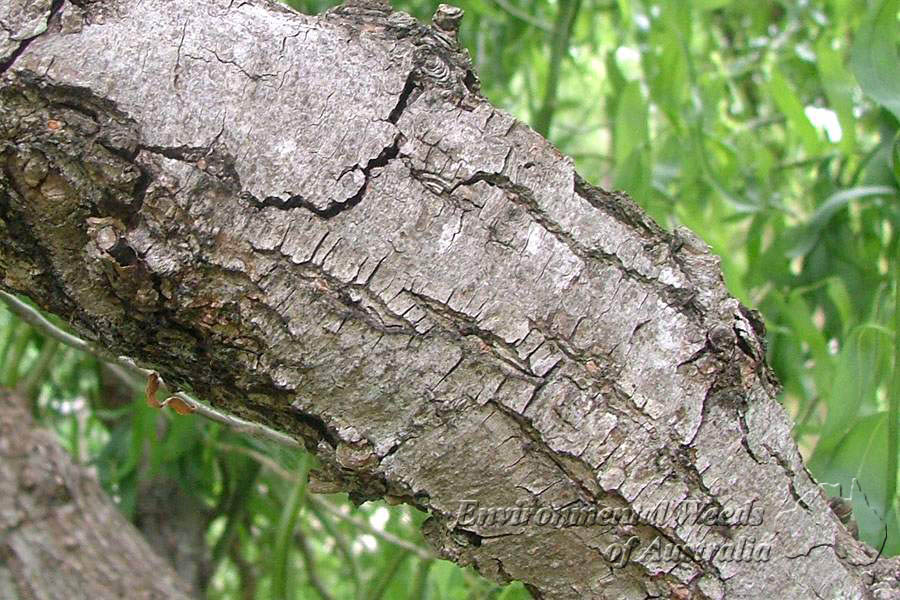
It is a deciduous tree 3.5-12 (18) m tall, trunk up to 80 cm in diameter. Grows rapidly, annual increment 50-60 cm. Crown open, broad-pyramidal. Bark gray-black, furrowed. Branches ascending, straight, thin, brown. Shoots ascending, pendulous, or erect, thin, slightly pubescent and yellowish-olive, later becoming glabrous and brownish-grey.
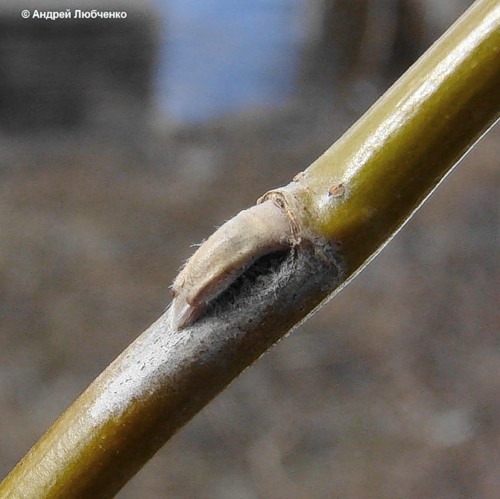
Buds slightly pubescent. Stipules short, lanceolate, gland-toothed, often absent.
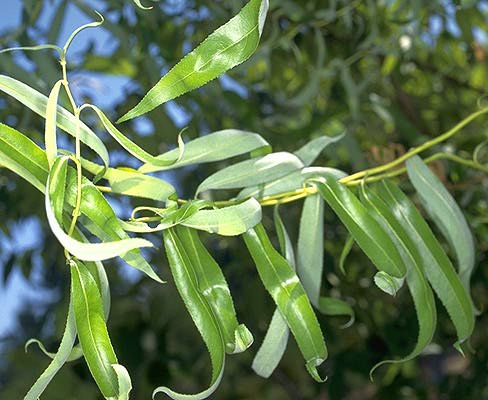
Leaves 5-10 cm long, narrowly or linear-lanceolate, with a blunt or rounded base, an attenuate, long, acute apex, with a finely and glandularly serrate margin. Upper surface of the blade bright green, underside bluish or whitish, sparsely silky-pubescent, later glabrous. Petioles short, 2-8 mm long.
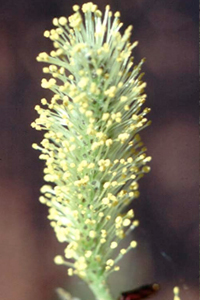
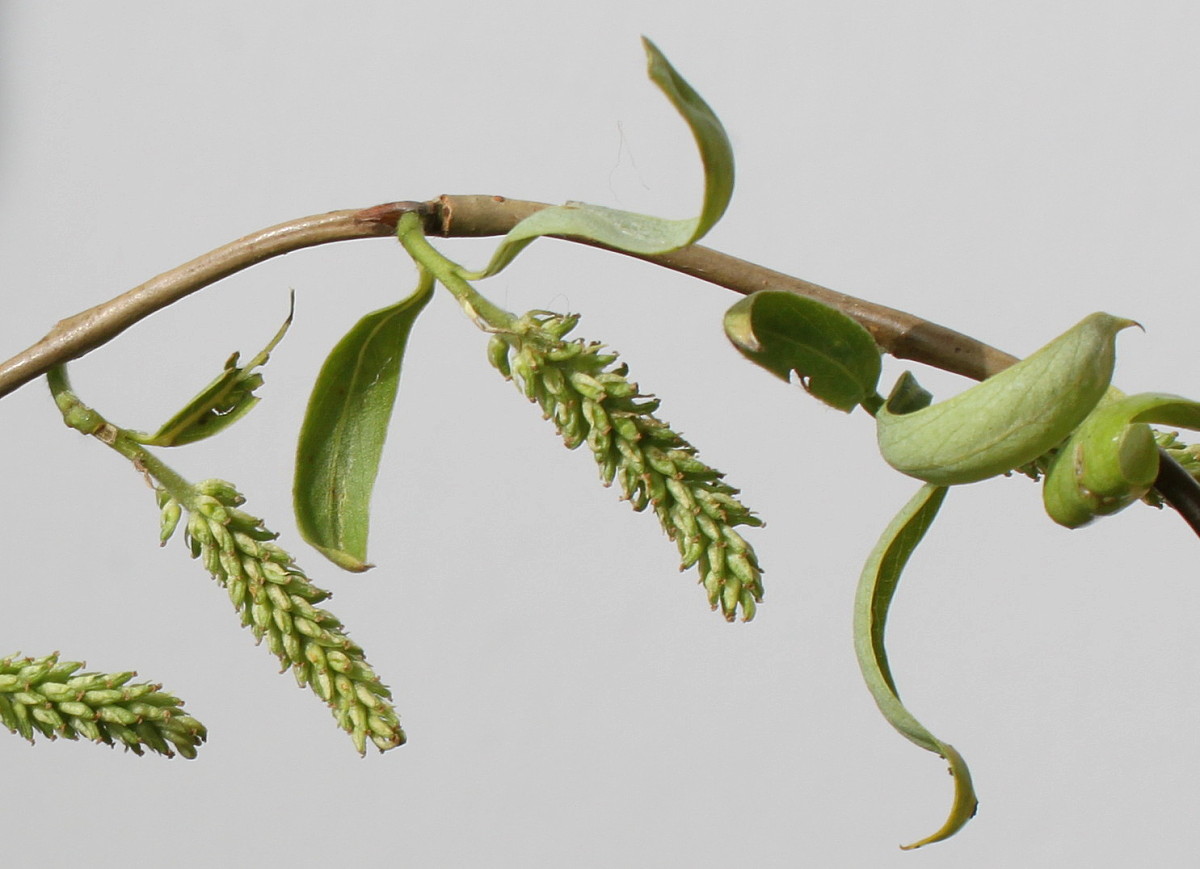
Catkins small. Male – 1-1.5 cm long, about 0.6 cm in diameter, grayish-white, yellow at flowering, on a long pubescent stalk. Female catkins 2-4 cm long and 4 mm in diameter, with 3-5 bracts at the base. Bracts ovate, obtuse, yellow-green. Stamens 2, anthers yellow, ovoid, with 2 obtuse, ovoid nectaries. Ovary oblong, sessile, glabrous, styles short, separate, ovoid; nectaries 2 – the inner one is ovoid-oblong, narrowed toward the top, fairly thick, the outer one small. Flowers in early May.
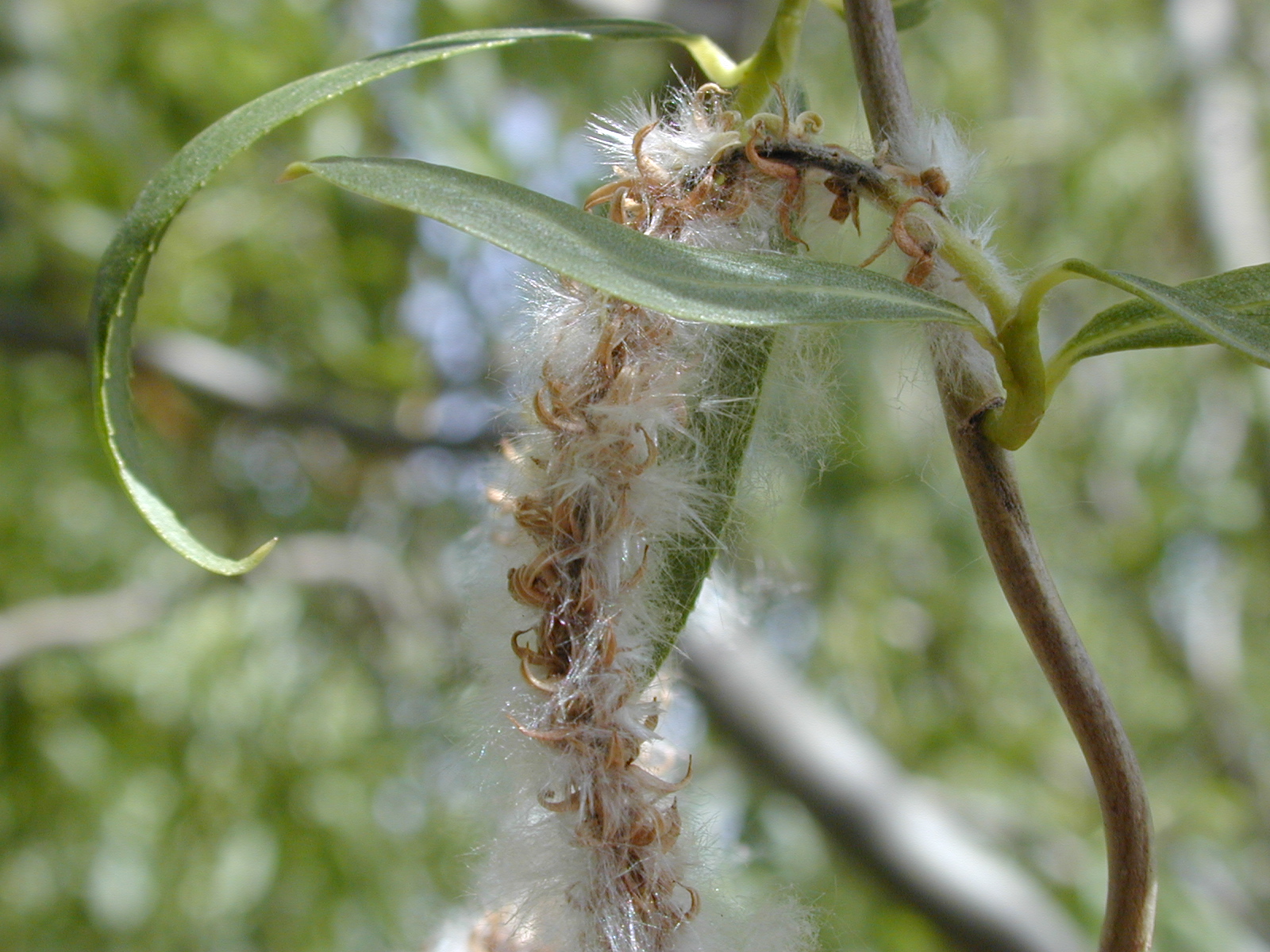
Fruits – dry capsules with numerous seeds covered with fluffy hairs.
Chromosome number: 2n = 38
Subspecies:
- Salix matsudana var. anshanensis C. Wang & J. Z. Yan
- Salix matsudana var. matsudana
- Salix matsudana var. pseudomatsudana (Y. L. Chou & Skvortzov) Y. L. Chou
Forms: 'Austree', 'Tortuosa', 'Golden Curls', 'Scarlet Curls', 'Navajo'.
Hardiness zone: 4b (-28°C). Annual shoots often do not lignify before winter and are damaged in cold winters, but recover quickly.
Location: light-loving, tolerates partial shade. Grows well in urban conditions. Not demanding regarding growing conditions. Requires a position protected from strong winds.
Soil: not demanding, grows on any sufficiently moist soil. Tolerates waterlogging. Prefers calcareous substrates.
Planting: Best planted in spring before bud break. When establishing a "willow stand" (thickets of willow) it is recommended to cultivate the soil in autumn to a depth of 30-80 cm, depending on its fertility and dryness. The topsoil layer should be turned upside down. Recommended spacing between seedlings should be no less than 0.6-2 m, depending on the species. Planting depth – 40-70 cm. Transplanting is recommended up to 3-4 years. On heavy soils drainage of crushed stone or sand 20-30 cm thick is recommended.
Pruning: tolerates trimming and pruning well. Regular removal of dead shoots and shaping of the trunk and crown is recommended.
Care: practically requires no care.
Propagation: propagated by seed, cuttings and layering.
Pests: longhorn beetles, willow leaf beetle (Lochmaea caprea), Crepidodera aurata, sawfly larvae (Trichiosoma sibiricum), lepidopteran caterpillars (Acleris cristana, Teleiodes notatella, etc.).
Diseases: affected by fungal diseases – fungi of the genera Melampsora, Rhytisma, Erysiphe, Phytophthora ramorum.
Uses: a striking species of deciduous tree. Widely used in single and group plantings, for soil erosion control. Used in landscape design compositions.