Flowers for the garden
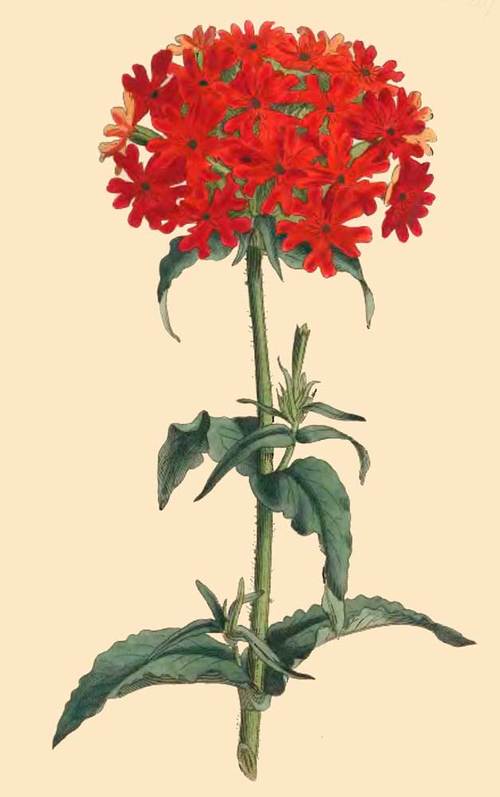
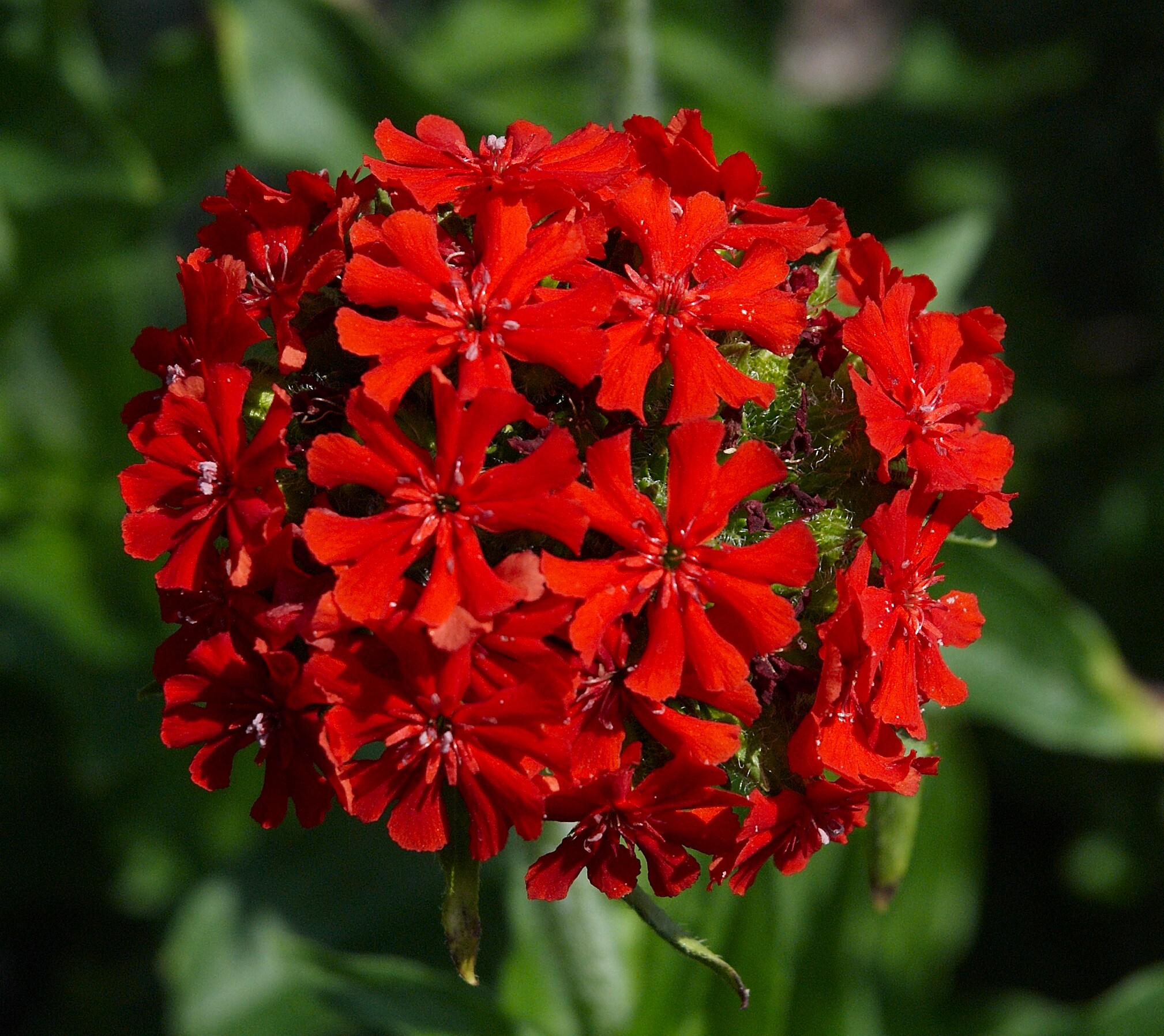
Lychnis chalcedonica, goritsvet
Lychnis chalcedonica L
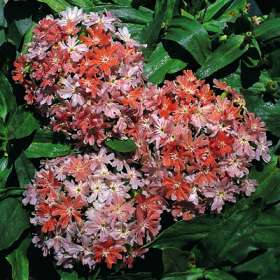
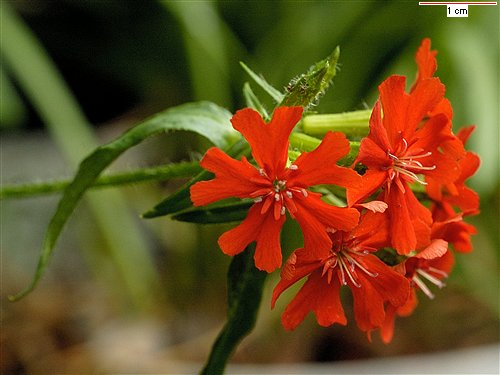
A perennial herbaceous plant from the carnation family (Caryophylláceae). Native to East Asia, Altai. The plant is undemanding, hardy, forming a loose bush up to 100 cm tall. Leaves opposite, green, slightly pubescent, with a toothed margin; basal leaves oblong-oval, stem leaves sessile. Numerous bright red flowers develop at the ends of tall flowering spikes, gathered in flat inflorescences. Self-seeding occurs. In late August — September leaf dieback begins and the plant loses its ornamental value, so it is recommended to plant it in the background. There are garden forms with single and double flowers in white, pink and bright scarlet colours. Flowering from June to August, and in garden forms – from July to August. In cultivation since 1561.
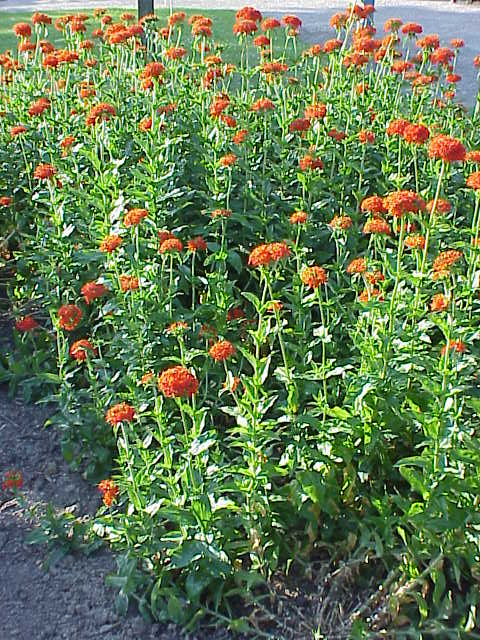
Location: grows well and blooms for a long time in a sunny position.
Soil: light, well-drained.
Propagation: by division and by seed. Plants can be divided in April – May or in early September. For seed propagation, seeds are sown in May – June on seed beds, or in March – April in boxes or in the soil of a cold frame. Seedlings are pricked out and planted out in August (for May sowing) and in June (for early spring sowing). When sown in March, plants flower in the year of sowing. Planting distances 30 – 35 cm. Can grow in the same place for up to four years. Double-flowered forms require winter covering with conifer boughs or dry leaves.
Diseases and pests: spider mite, which causes necrotic spots and speckling on the leaves. The affected plant is treated with acaricides, trying to increase air humidity. Powdery mildew, which covers leaves and stems with a fuzzy grayish coating. Treat with sulfur or other fungicides against oidium.
Uses: borders, flower beds, rock gardens, for cutting.