
Indoor plants
Lophomyrtus
Lophomyrtus Burret
Synonym: myrtle, lophomyrt
Lophomyrtus (Lophomyrtus Burret) – a genus of herbaceous plants in the family Myrtaceae. The species was first described in 1941 by the German botanist Karl Ewald Maximilian Burret (Max Burret) in his work Notizblatt des Botanischen Gartens und Museums zu Berlin-Dahlem 15: 489. Endemic to New Zealand.
They are evergreen, densely branched trees or shrubs from 1-8 m in height. Bark brown-gray, fissured, peeling in some species. Young shoots light brown, pubescent.
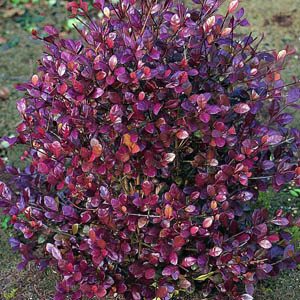
Lophomyrtus 'Red Dragon' )
Leaves purple, chocolate, red or bronze-green in color, oval, glossy, ovoid or heart-shaped, thin or thick, corrugated or not.
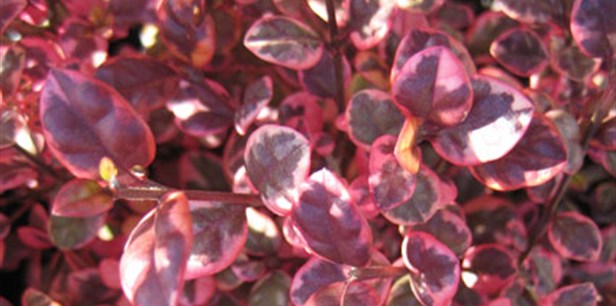 | 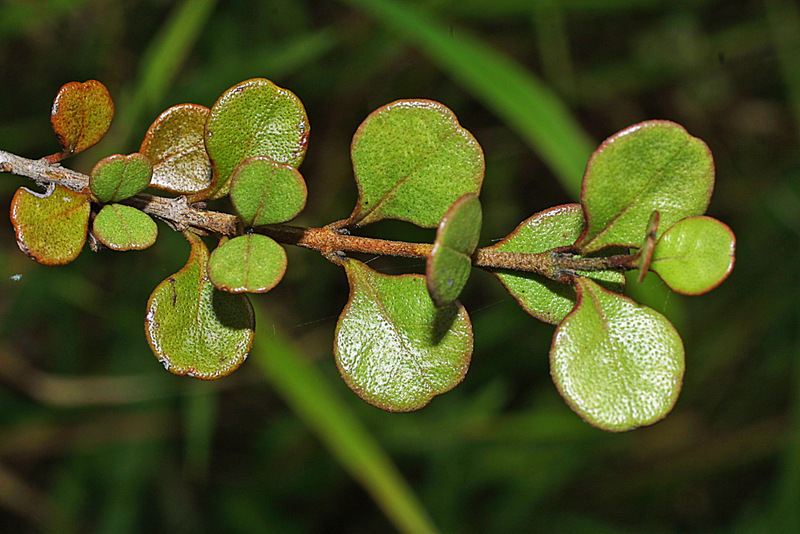 |
| Lophomyrtus bullata 'Rainbow's End' | Lophomyrtus obcordata |
Flowers small, four-petaled, cream-white in color, with a large number of long stamens. Blooms in mid-summer or from November to March.
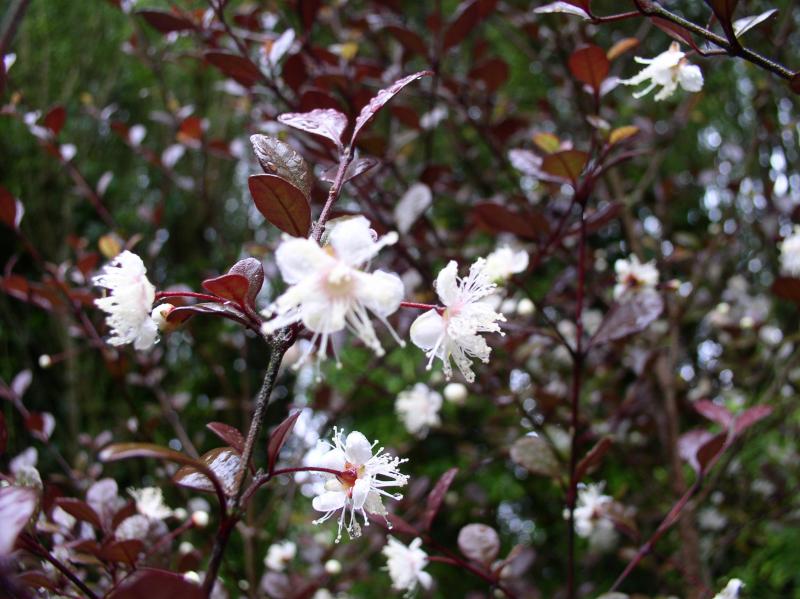
LOPHOMYRTUS PINK DAINTY
Berries many-seeded, fleshy, black-red or purple-red in color, ripen from January to June.
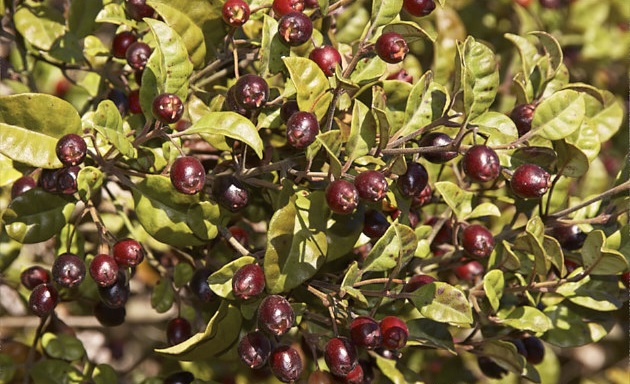
Lophomyrtus bullata
Hybrids:
Lophomyrtus bullata × Lophomyrtus obcordata = Lophomyrtus ×ralphii ('Kathryn', 'Indian Chief', 'Pixie', 'Little Star', 'Gloriosa', 'Black Beauty', 'Red Dragon').
Subspecies:
- Lophomyrtus bullata (Ramarama)
- Lophomyrtus obcordata (Rohutu)
Hardiness zone: zone 6-8 (-15°C).
Location: preferably grown in full sun.
Temperature: requires a cool wintering (-8°C)
Propagation: propagated by cuttings and seeds. Semi-hardwood cuttings are taken in early autumn. Seeds are soaked in a warm moist medium for a day before sowing. Sow in a light mix based on peat, with the addition of coarse river sand, leaf-mold soil and perlite (vermiculite). Germinate under film in a warm bright place. Initially seedlings are kept in a greenhouse until they grow and strengthen. Seed germination is aided by stratification for 6-8 weeks at +5°C.
Soil: prefers loose, well-drained, fertile soil. Recommended pH = 5-6.5. Place stones at the bottom.
Transplanting: does not like transplanting. If necessary, the plant is repotted into another pot in early spring.
Watering: does not tolerate overwatering.
Pruning: tolerates pruning and shaping. Can be trained in bonsai style.
Diseases and pests: practically not affected under indoor conditions.
Uses: grown as a houseplant in Ukraine.