
Indoor plants
Lantana
Lantana
Synonyms: lantana camara, spiny lantana, nettle-leaved lantana, everblooming nettle
Lantana camara (Lantana camara L.) – a species of evergreen plants of the genus Lantana (Lantana) in the family Verbenaceae (Verbenaceae). It was first described in 1753 by Carl Linnaeus in his Species Plantarum 2: 627. In cultivation since 1692.
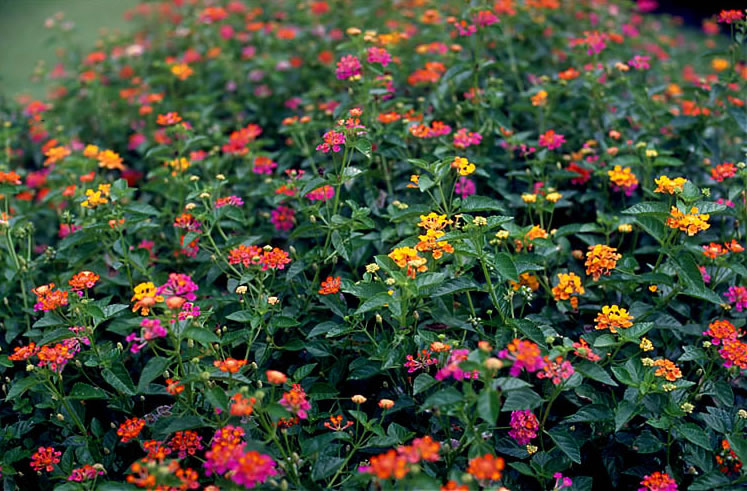
In the wild it grows in Colombia, Venezuela, Central America, Mexico, on the Greater Antilles and the Bahamas, in China (Fujian, Guangdong, Guangxi, Hainan), and Taiwan. It rises into the mountains to altitudes of 100–1500 m above sea level.
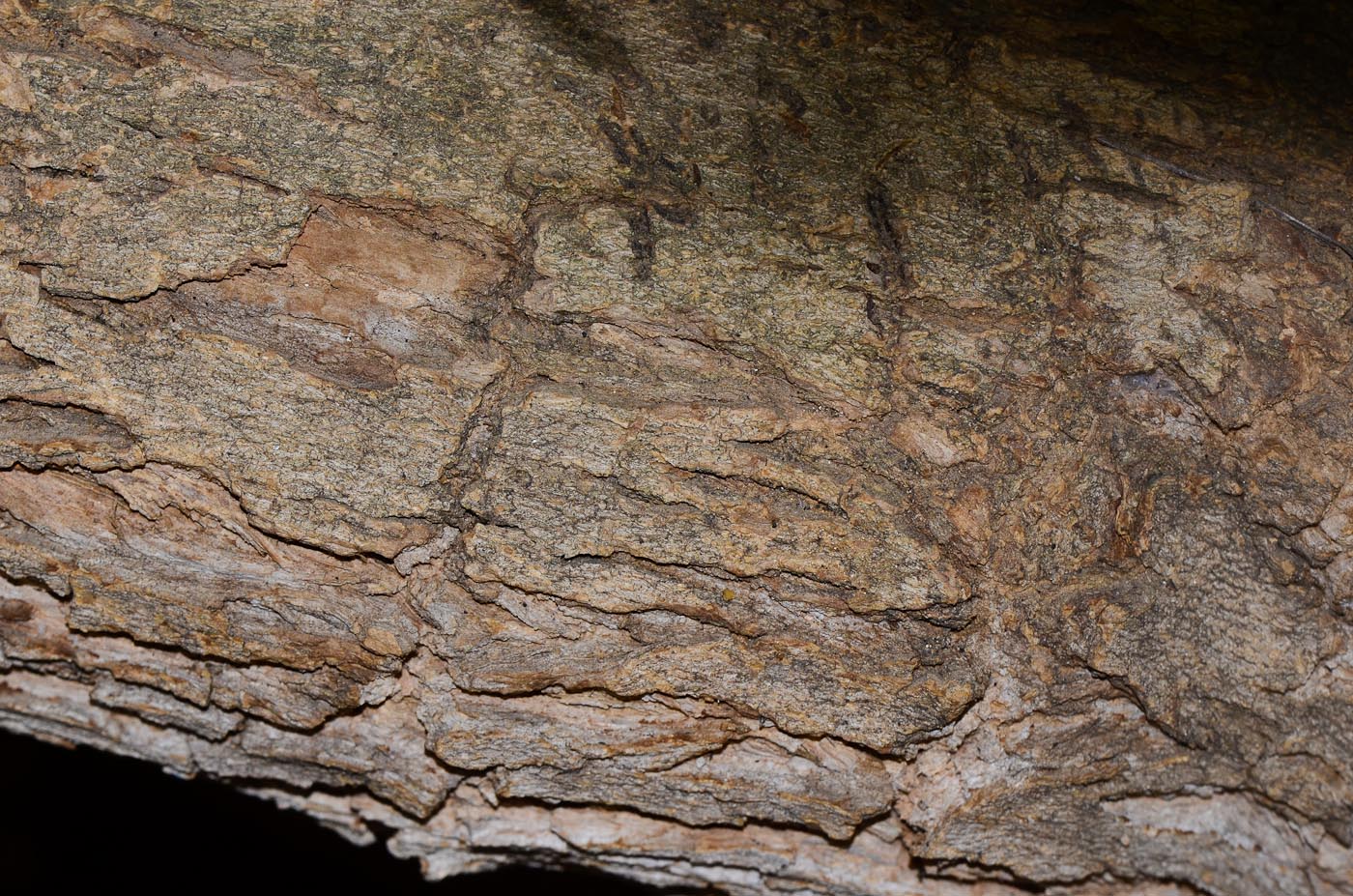
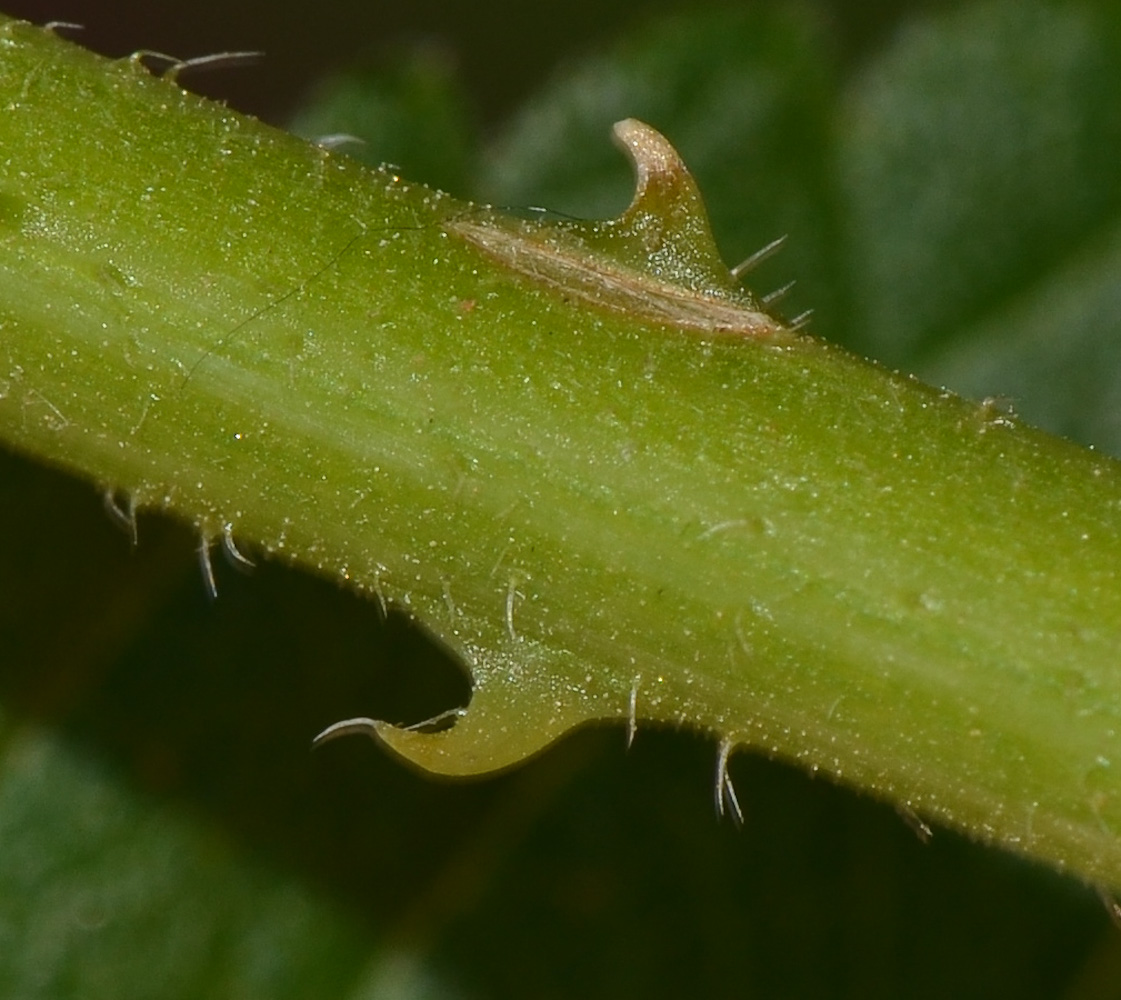
Author T. Malchynska
It is an evergreen shrub or subshrub 1–1.5 m in height. In temperate zones it is grown as an annual. Stems erect, branched, four-angled, shortly and stiffly pubescent to spiny or almost smooth.
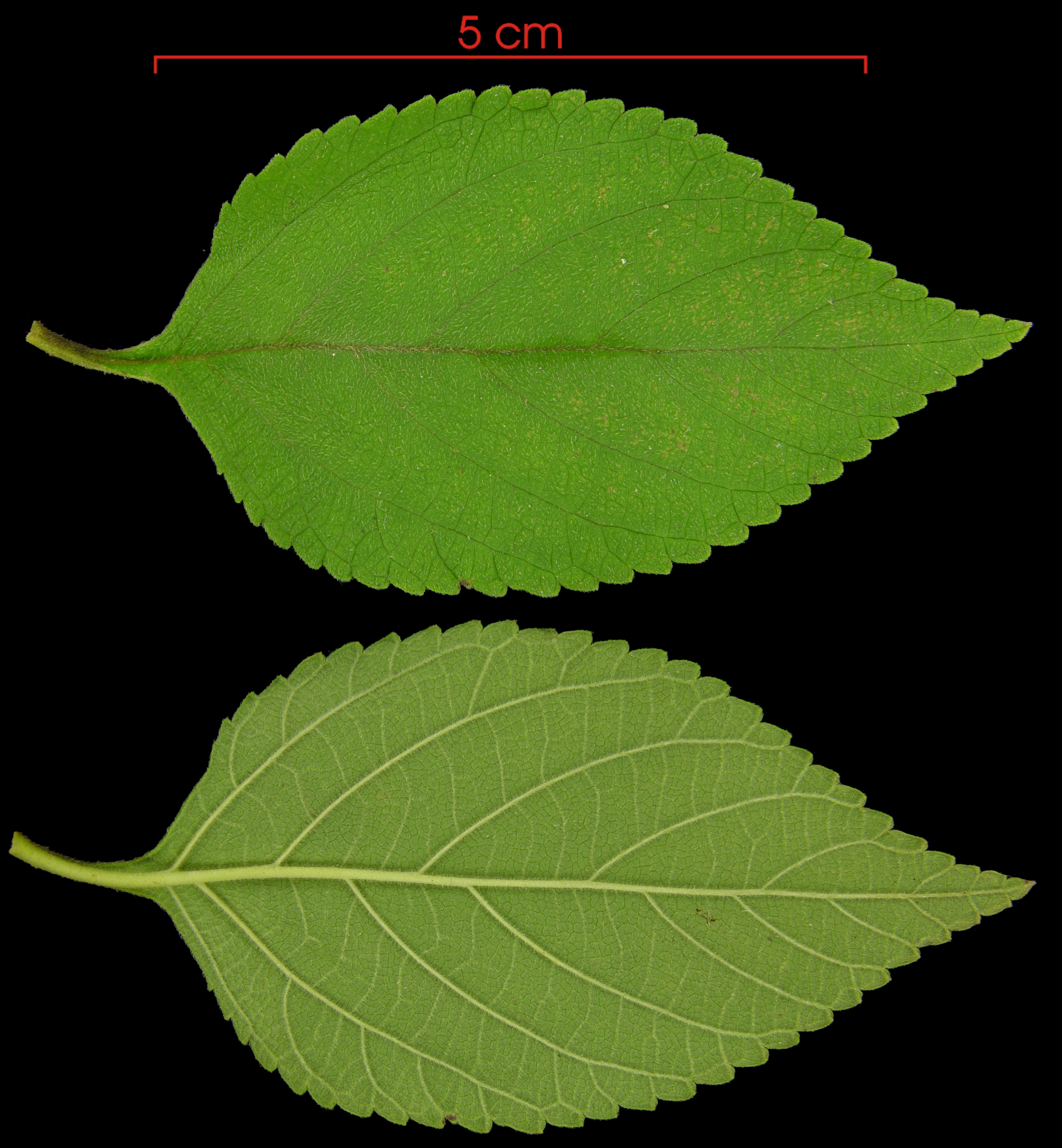
Leaves stiff, 3–8.5 x 1.5–5 cm, from ovate to oblong, wrinkled, acute, with a broadly cuneate or rounded base, coarsely serrate, covered above with short stiff hairs, veins prominent beneath, dark gray-green, aromatic when crushed. Petioles 1–2 cm long, pubescent.
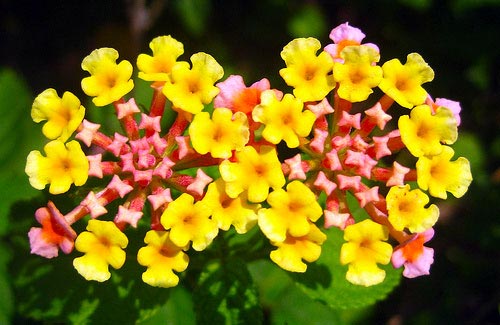
Flowers small, numerous, fragrant, gathered in cymose inflorescences on a long peduncle (equal in length to the leaves). The corolla tube up to 1.2 cm long, curved, pubescent outside, suddenly widened at the top; the corolla limb up to 0.9 cm in diameter, at first pink or yellow, often with a lighter eye in the center, turning red or orange as they fade. Ovary glabrous. Blooms abundantly throughout the summer.
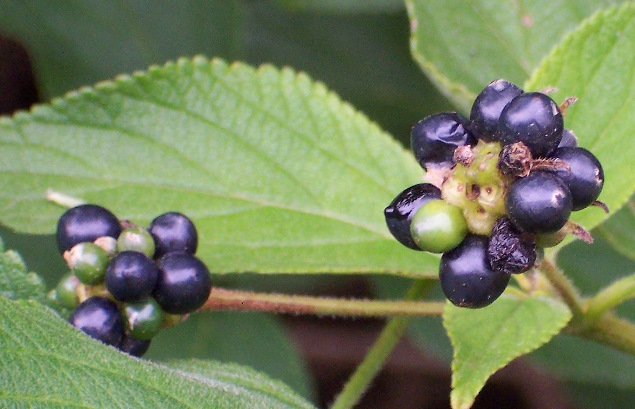
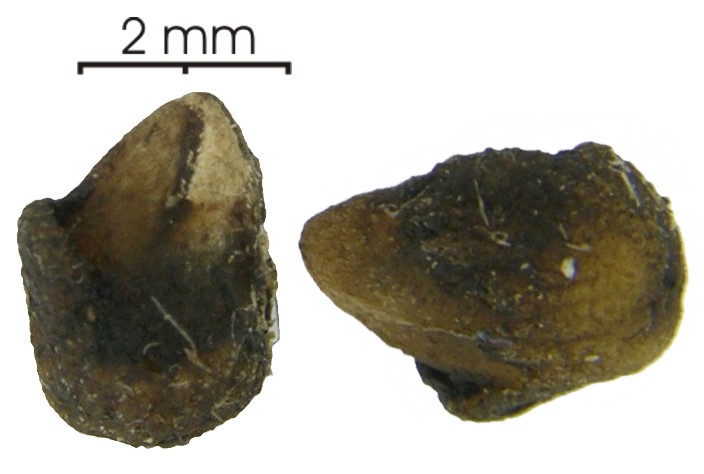
Fruits – small, black drupes, rounded, glossy, fleshy, up to 4 mm in diameter.
All parts of the plant are poisonous.
Hardiness zone: 8b (-12°C)
Temperature: Moderate - 18–22°C in summer, 5–8°C in winter.
Humidity: moderate; Lantana camara is tolerant of dry air and does not require regular misting. You can occasionally rinse the bush under a shower to refresh the leaves.
Light: Bright, diffused light, with at least 3–5 hours of direct sunlight, especially during winter. A southeast or southwest window is ideal.
Soil: Prefers rich, loose soil. Potting mix: 1 part garden soil, 1 part leaf soil, and 1 part coarse sand or perlite. Drainage is essential.
Repotting: Young plants are repotted annually in March; it is recommended to slightly shorten long roots. Large older specimens are not repotted, only the top layer of soil is renewed.
Watering: Abundant in spring and summer, moderate in winter. Water only after the top layer of soil has dried to a depth of 1–2 cm. In winter reduce watering to a minimum, avoiding the drying out of the root ball.
Fertilizer: From early spring until mid-autumn feed every two weeks with a solution of a balanced fertilizer for ornamental flowering plants. Avoid mixes with a high nitrogen content, as nitrogen promotes vigorous leaf growth at the expense of flowering. Stop fertilizing in winter.
Pruning: For bushier growth it is recommended in spring, before growth begins, to prune shoots by one-third of their length. You can train it into a small tree, a spherical shrub, or even a hanging (ampelous) plant.
Propagation: From May to August the lantana is fed every 2 weeks with a complex fertilizer for ornamental flowering plants. By semi-hardwood cuttings taken in August from the current year's shoots. Cuttings should be about 10 cm long; remove a couple of the lower leaves; place for rooting in pots with moist peat under a jar, which is periodically lifted for airing.
Pests: whitefly, aphids, scale insects, spider mite.
Diseases: practically unaffected.
Uses: In Ukraine it is cultivated as a houseplant.