
Indoor plants
Jasmine
Jasminum
Synonyms: Cerothamnus Tidestr., Faya Webb & Berthel., Gale Duhamel, Morella Lour., wax-myrtle, Мірика, мирика
Jasmine (Jasminum L.) – a genus of plants in the Olive family (Oleaceae). It was first described by Carl Linnaeus in 1753 Sp. Pl. 1: 7. The genus name comes from the Old Persian name for this plant – yasemin. Cultivated since the 16th century.
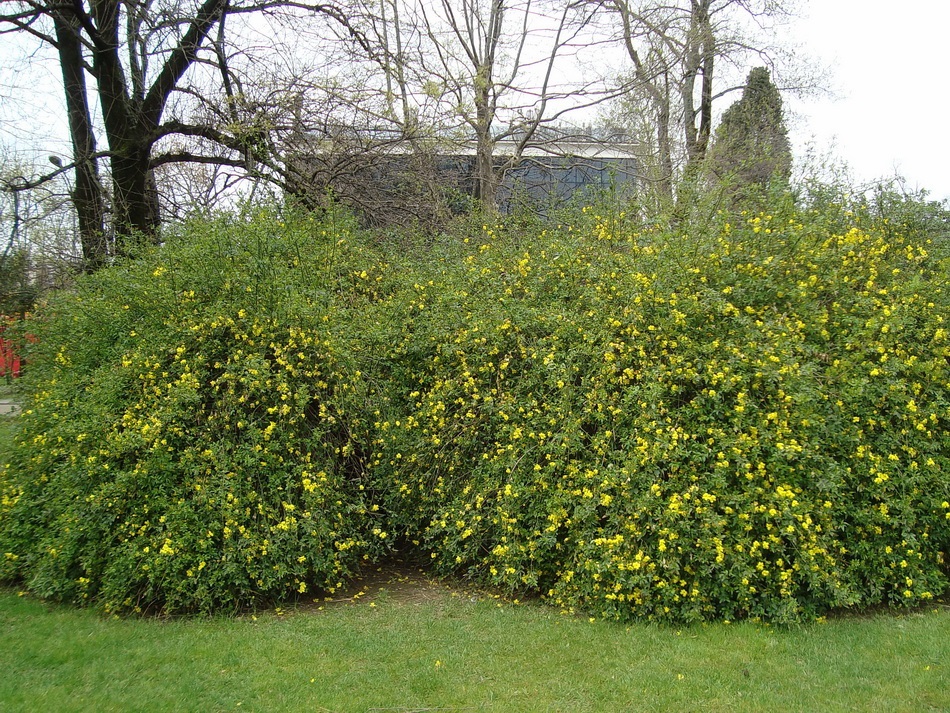
Jasmin Mesni. Author S. Steltov
The range covers tropical and subtropical regions of Asia, Africa, Australia and South America, and the southern Pacific islands. 1 species grows in the Mediterranean region, 43 species in China, 1 in Europe.
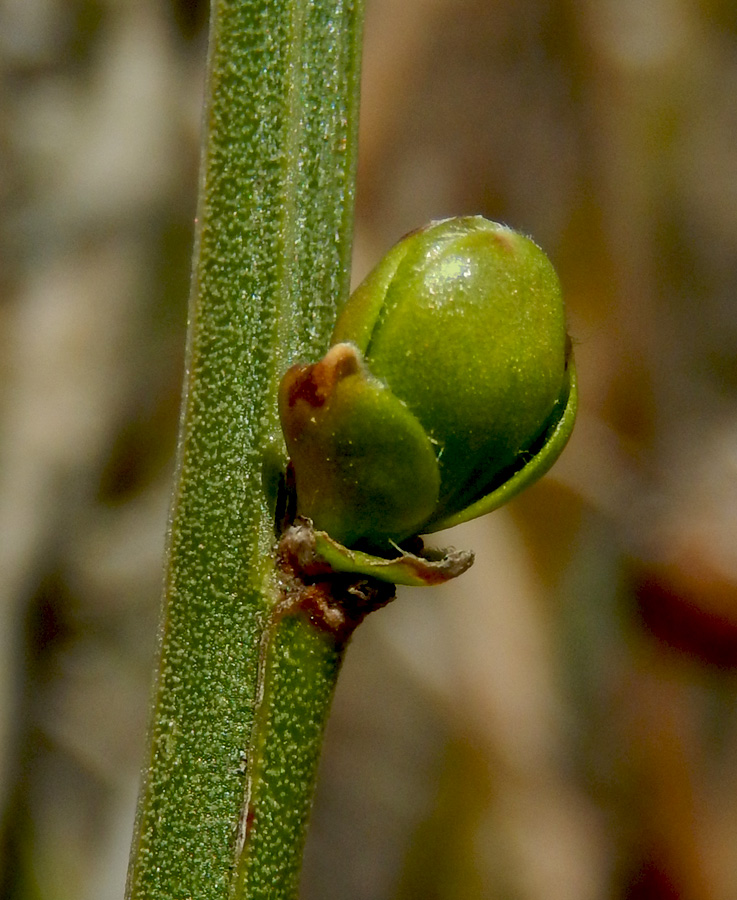
Author A. Malykhina
Plants are evergreen or deciduous climbing or erect shrubs with a dense, strongly branched crown. Young shoots are thin; in vines they are twining or creeping, green, later becoming light brown or gray-brown.
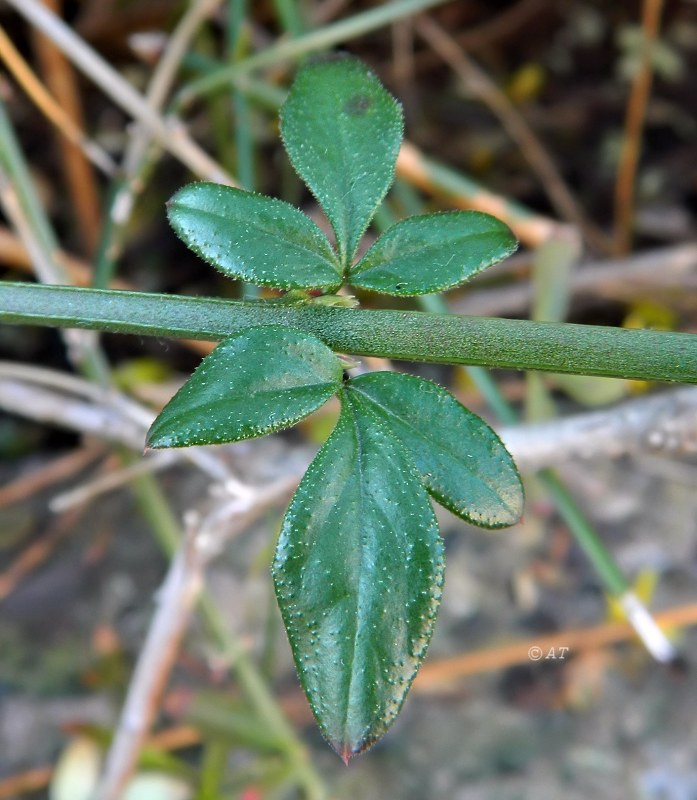
Author A. Titov
Leaves are mostly opposite, less often alternate, pinnate odd-pinnate or trifoliate, sometimes simple with a single leaflet, entire-margined, without stipules.
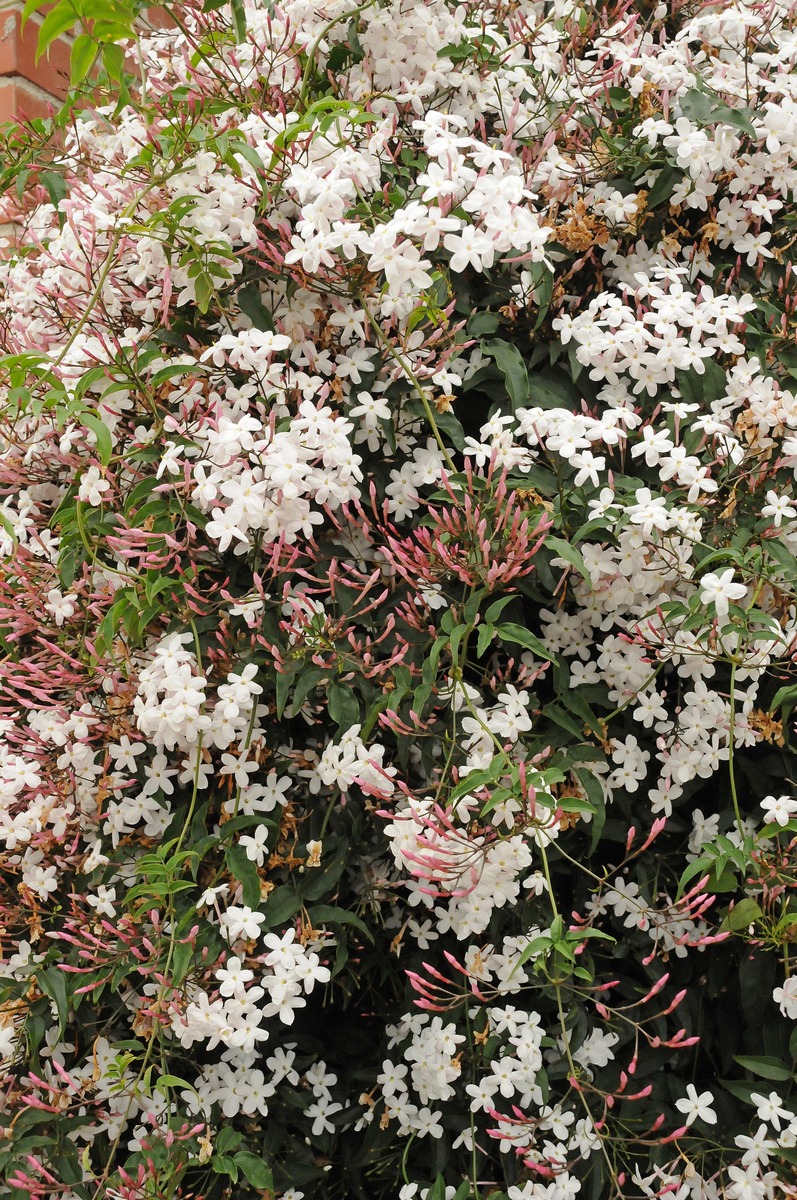
Medicinal jasmine. Author V. Epiktetov
Flowers are star-shaped, strongly fragrant, less often scentless, bisexual, white, yellow, sometimes reddish, mostly gathered in large numbers in terminal or axillary half-umbels, less often solitary or in clusters of 3 or more, appearing from buds of last year’s shoots. The calyx is bell-shaped, four-toothed or deeply lobed. The corolla consists of fused petals, the tube long, narrow, cylindrical. The limb is flat, 4-5-lobed, sometimes semi-double and then 6-9-lobed. There are 2 stamens enclosed in the corolla tube. Ovary superior, two-loculed. Both carpels remain united and the fruit is two-lobed, less often only one develops.
Author A. Maslova
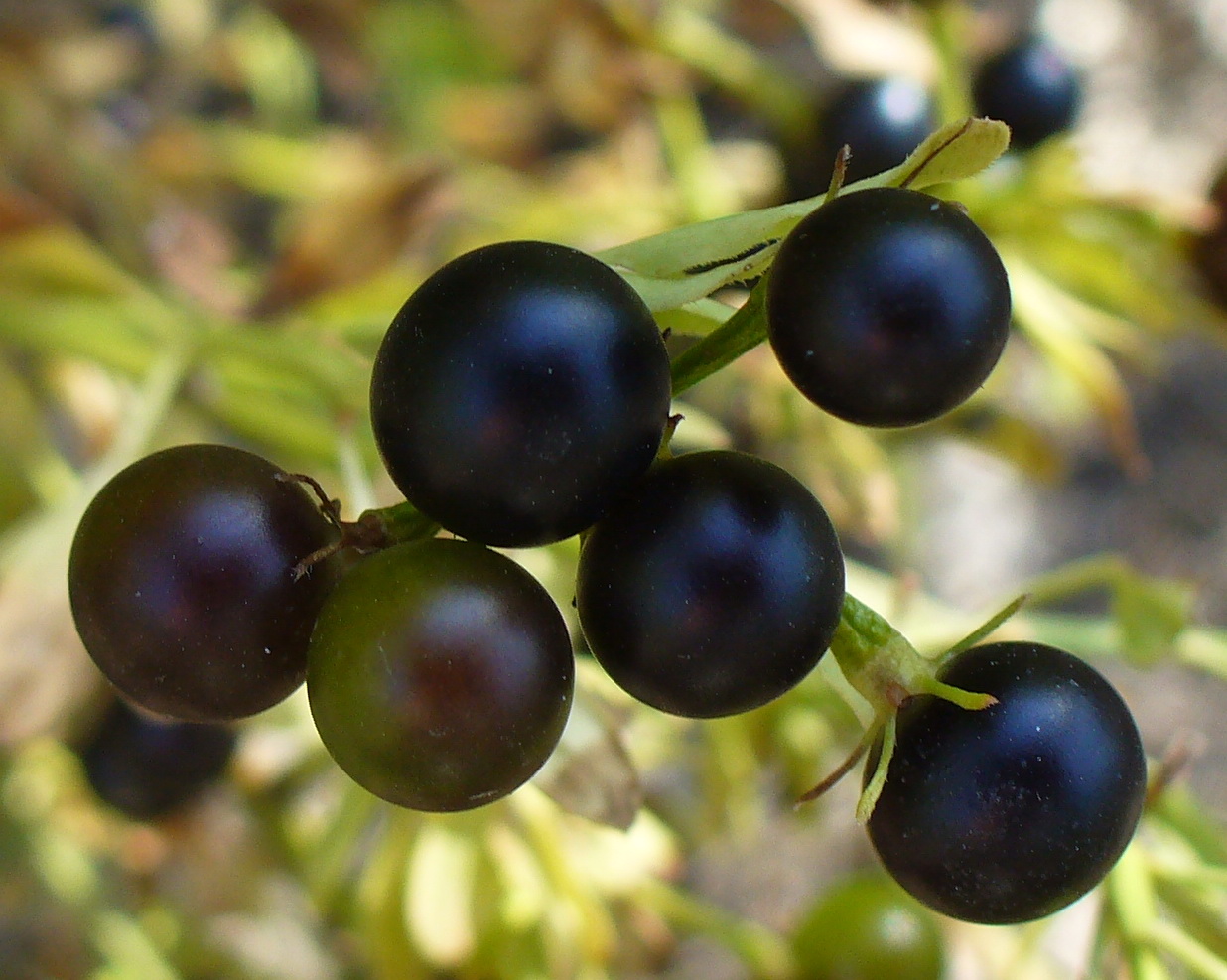
Fruits – black berries, double or simple. Seeds without endosperm.
Species: more than 200 species. Some of them:
- Winter jasmine – Jasminum nudiflorum Lindl.
- Medicinal jasmine – Jasminum officinale L.
- Many-flowered jasmine - Jasminum polyanthum
- Sambac jasmine - Jasminum sambac
- Primulinum jasmine - Jasminum primulinum
Hardiness zone: 6a (-23°C).
Temperature: in summer kept at normal temperatures – can be placed outdoors. In winter it needs a cool dormancy at about 8-10°C, minimum 6°C (at higher temperatures regular misting of the plant is recommended).
Light: light-loving but moderately shade-tolerant; for abundant flowering it needs good illumination, with protection from direct sunlight during the hottest hours in summer. An east-facing window is ideal for growing jasmine indoors. In the garden an open site protected from cold north winds and cold air stagnation is ideal.
Soil: not demanding, but requires good drainage. Not demanding in fertility, can grow on ordinary garden soil. It is most ornamental on sufficiently moist, permeable, fertile loams.
Watering: in spring and summer requires abundant watering; the soil should be slightly moist. In winter water moderately. Does not tolerate drying out of the root ball or waterlogging. It is recommended to use warm soft water for watering, ideally filtered or boiled rainwater.
Care: thin stems require support. During the active growth period from April to August it is recommended to feed with liquid fertilizer for flowering houseplants (potassium fertilizers).
Humidity: in summer requires regular misting.
Repotting: repotting is carried out in March. Young plants are repotted annually, older ones every 2-3 years. Soil mix - 1 part clayey-sod soil, 1 part leaf mould and 1 part sand - for young plants. For older plants the clayey-sod soil is taken in 2 parts.
Pruning: it is recommended to prune strongly elongated or bare shoots; in shrubby species, spent shoots are shortened to the point of origin of young shoots.
Propagation: easily propagated by rooting semi-lignified cuttings in a greenhouse in summer.
Uses: ornamental for its habit, pinnate leaves and star-shaped fragrant flowers. In temperate climates grown as a container plant. Used to decorate pergolas, arbors, verandas, and as a groundcover. Flowers are used as an aromatic addition to tea.