
Climbing plants
Campsis
Campsis Lour.
Synonyms: Tycoma, Tecoma, Tecoma, Tecomaria
Campsis (Campsis Lour.) – a genus of deciduous woody vines in the family Bignoniaceae (Bignoniaceae). The genus includes 2 species that grow in the tropics and subtropics of East Asia, as well as in the southeastern USA. In cultivation since the mid-17th century. Both species are widely distributed and cultivated in many countries worldwide. They can be grown outdoors and as houseplants.
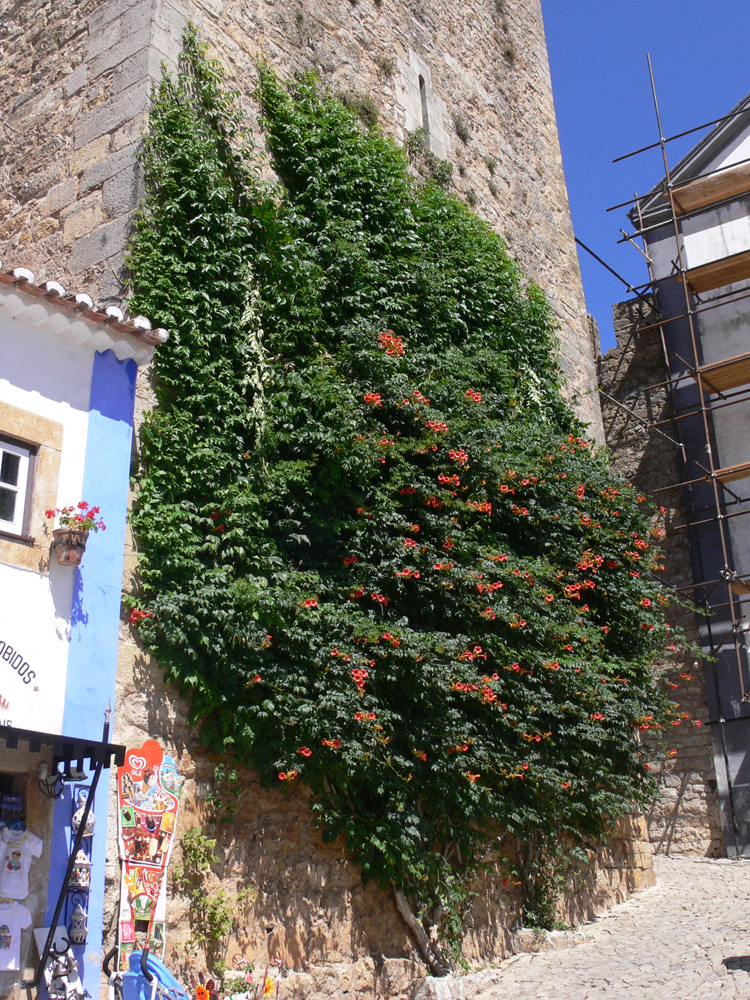
The genus name comes from the Greek word «kampe», which means curved (referring to the curved staminal filaments). Plants are often called Tecoma, but Tecoma Juss. – is a different, related genus in the same family.
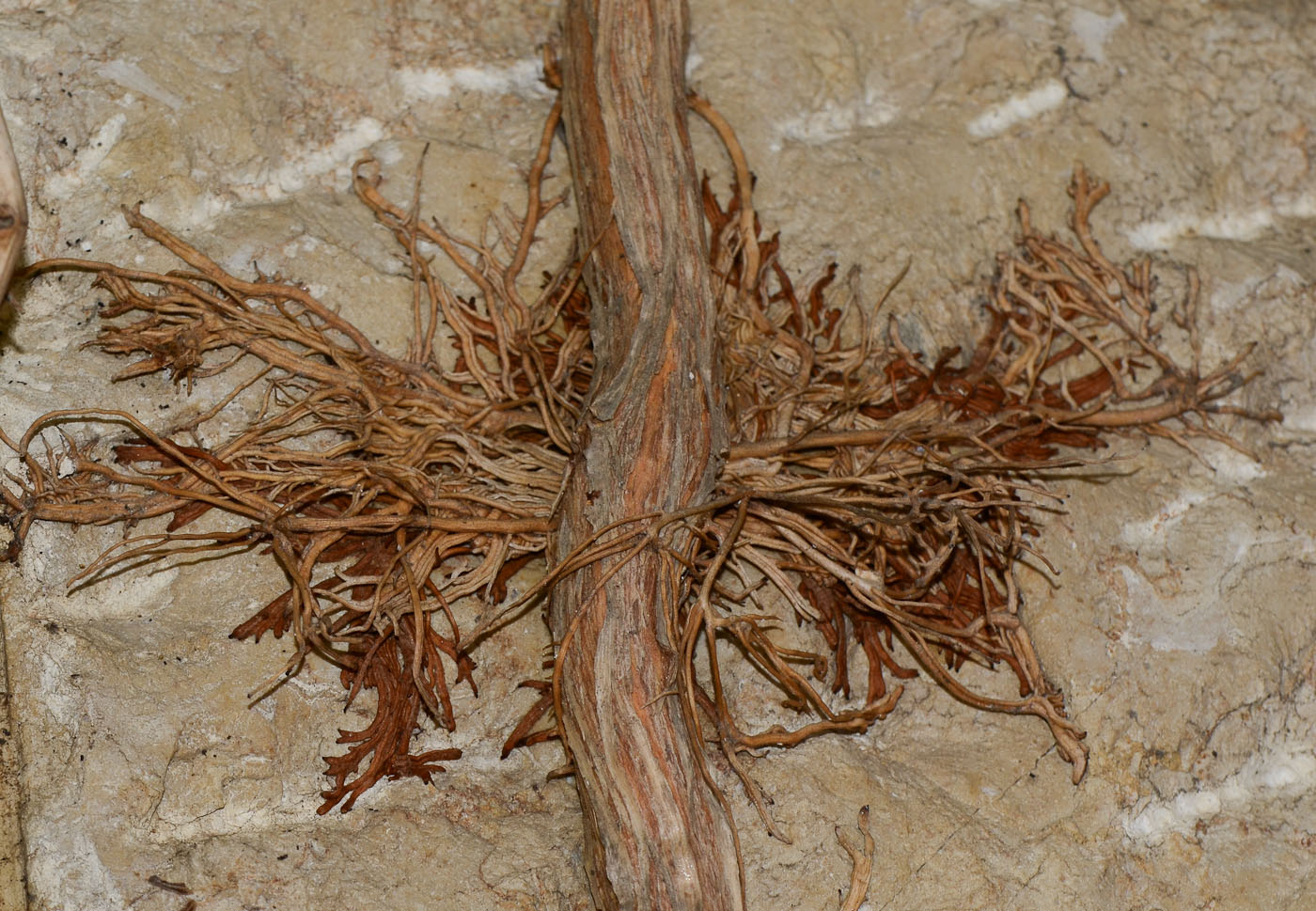
It is a woody, climbing deciduous liana that climbs supports using aerial roots resembling suction cups, which form on the shaded (support-facing) side of the stem. It reaches 5–10 m in height.
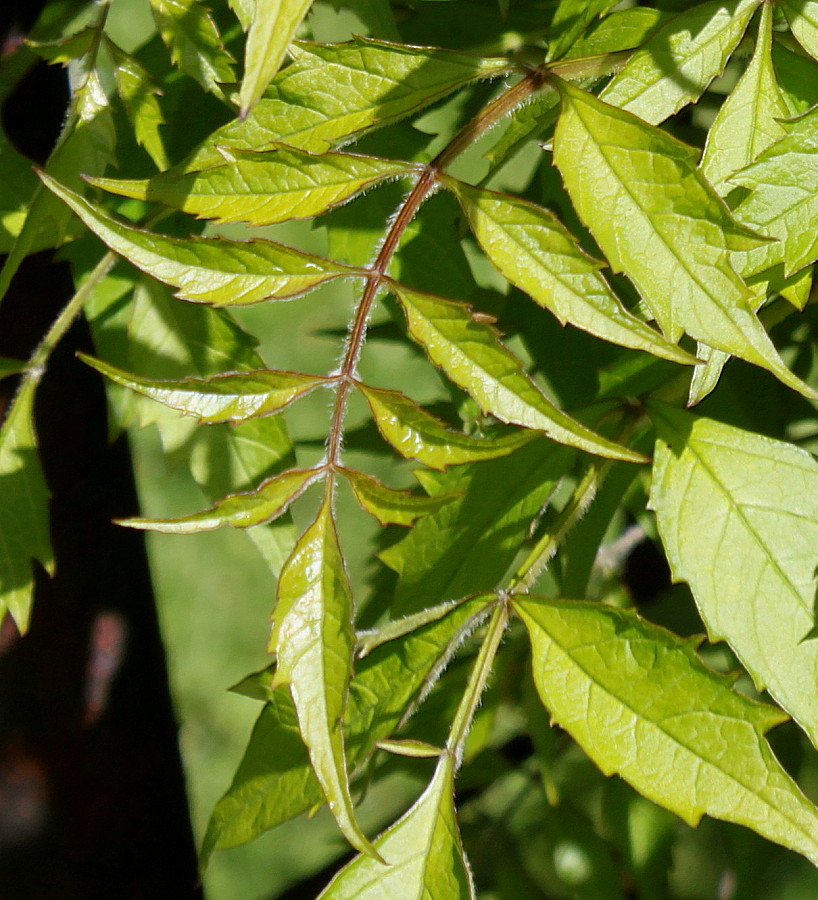
Leaves are opposite, imparipinnate. They consist of 7–11 leaflets. The leaflets are oblong-elliptic or lanceolate-elliptic, with a serrate margin, without tendrils. In autumn the leaves turn golden-yellow and later brownish.
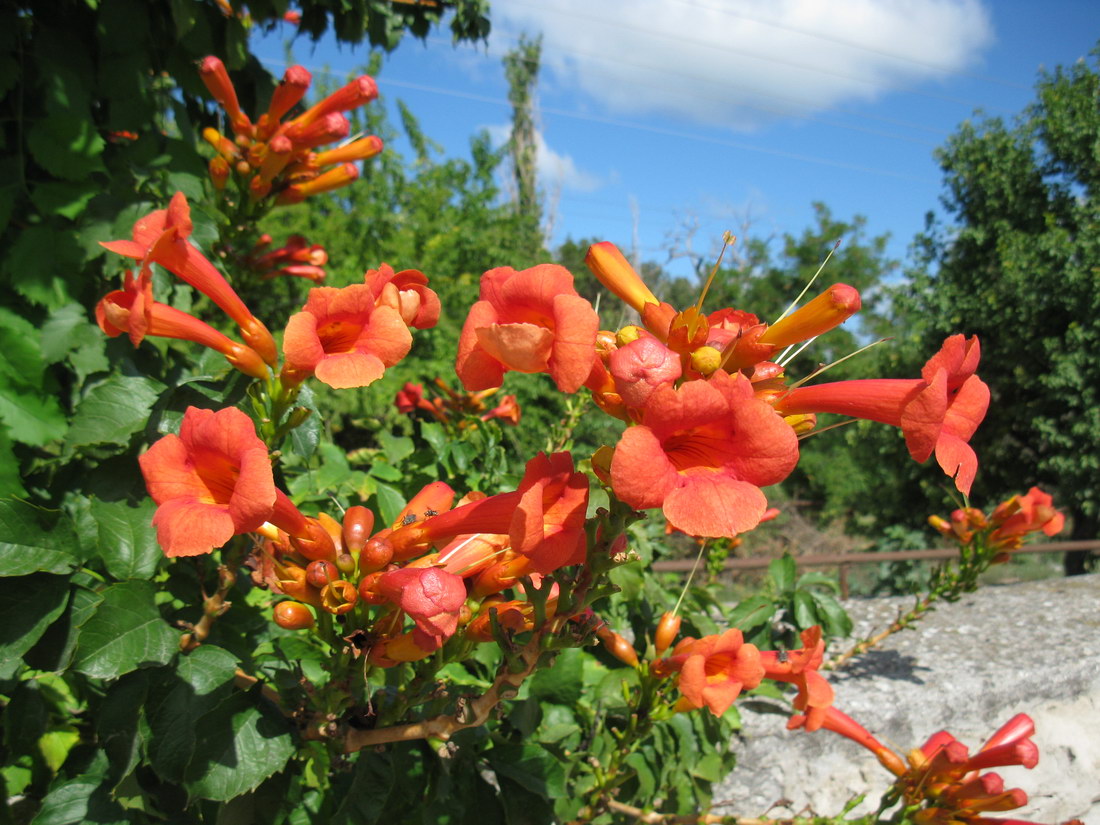
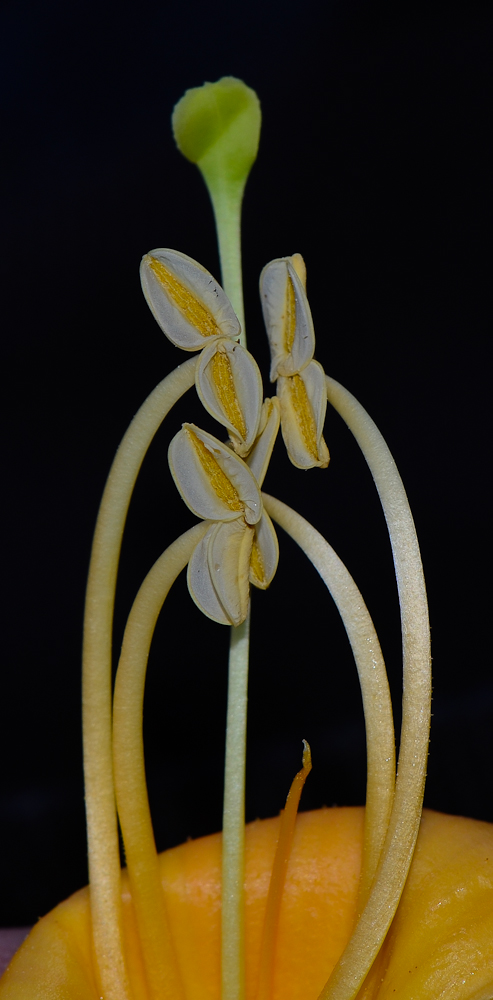
Flowers are large, borne at the ends of the current year's long shoots, arranged in shortened terminal shield-shaped racemes or panicles. The calyx is five-lobed, tubular-bell-shaped, leathery, slightly two-lipped. There are 4 stamens with curved filaments, two of which are long and two short. The corolla is tubular-funnel-shaped, orange or scarlet in color. The tube is curved, dilated, and long. The limb has five spreading unequal rounded lobes. The ovary is 2-loculed, with a large number of ovules. Flowers abundantly in late summer and autumn.
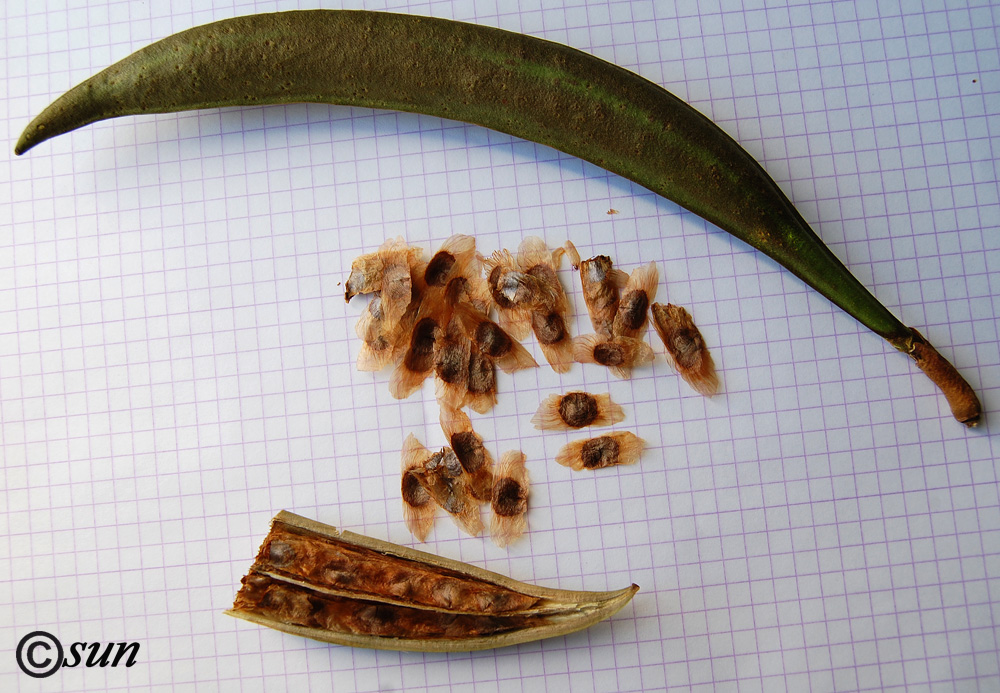
Fruits – pod-like, elongated, with rounded ends, leathery capsules with 2 dehiscing valves. Seeds flat, with transparent, silvery wings.
Species:
- Large-flowered Campsis - Campsis grandiflora (Thunb.) К. Schum (С. chinensis (Lam ) Voss, Tecoma grandiflora (Thunb) Loisel , Bignonia chinensis Lam B. grandiflora Thunb.)
- Rooting Campsis (rooting Tecoma) — Campsis radicans (L.) Seem. (Tecoma radicans Juss., Bignonia radicans (L).
- Campsis tagliabuana, hybrid Campsis - Campsis X tagliabuana (Vis.) Rehd (С. hvbrida Zabel) — hybrid Campsis grandiflora X Campsis radicans.
Hardiness zone: 6b (-20°C)
Location: sun-loving, but in warm climates it can grow in light partial shade. Prefers moderately moist, rich, loose loam, but can also grow in ordinary garden soil; does not like prolonged waterlogging or stagnant moisture. The best location is on the south or southeast side of a building. Does not like excessively waterlogged soils. Does not tolerate prolonged heat. Optimal locations are a south-facing wall, as well as sites protected from strong winds and pools of cold air.
Planting: planting is carried out in early spring, before the plant flowers.
Care: in the first summer it is recommended to grow Campsis in a container and move it to a cool cellar for the winter. The support in most of Ukraine is recommended to be removable (for example, made of synthetic cord). Before the onset of frost the plant is removed together with the support and laid on the ground. The plant is covered with coniferous boughs and it is recommended to lay polyethylene film on top, on which dry plant residues can be placed. Young plants should be tied to the support; in maturity a support is not required.
Pruning: tolerates pruning well, but in cold regions it is not recommended, because the plant blooms late after pruning and may not complete its vegetation period.
Propagation: propagated mainly by winter and summer green cuttings, as well as by layering and seeds. Seeds are sown in early May in open ground. Flowers in the 3rd year after sowing. In northern regions seeds often do not have time to ripen.
Diseases and pests: not affected by diseases. Pests include aphids.
Uses: used for vertical greening of walls, fences, arbors, pergolas, trellises; looks good on shaped supports (sphere, pyramid) on lawns. Ornamental for its large pinnate leaves, distinctive flowers, and long flowering period.