
Flowers for the garden
Anacyclus
Anacyclus L.
Synonyms: cлюногон, кольцецвет, жигун, анацилис, анациклюс.
Anacyclus (Anacyclus L.) – a genus of herbaceous annual plants in the Aster family (Asteraceae). The genus name comes from the Greek words «a» – negation, «anthos» – flower, «kyklos» – circle; it can be translated as «ring-flower», and was given due to the structure of the capitulum with the one-row, ring-arranged winged achenes of the marginal female florets surrounding the disc. The genus was first described by Carl Linnaeus in 1753 in Species Plantarum 2: 892.
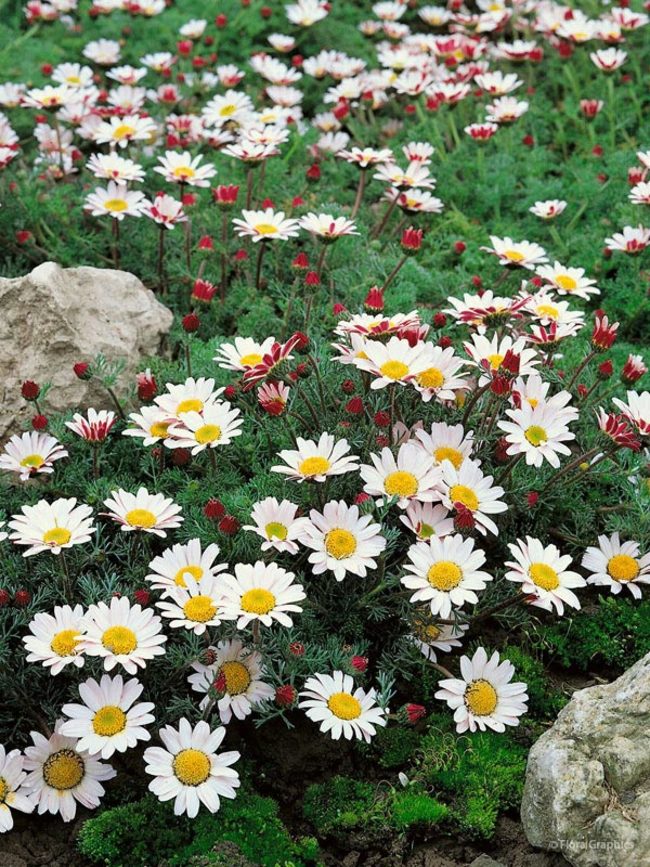
Occurs naturally in the Mediterranean region, also in North Africa, the Middle East and Turkey.
It is a groundcover plant forming rounded tufts up to 30 cm in diameter and up to 40 cm in height. Stems numerous, erect or creeping, thin, strong, very branched, forming a spreading bush.
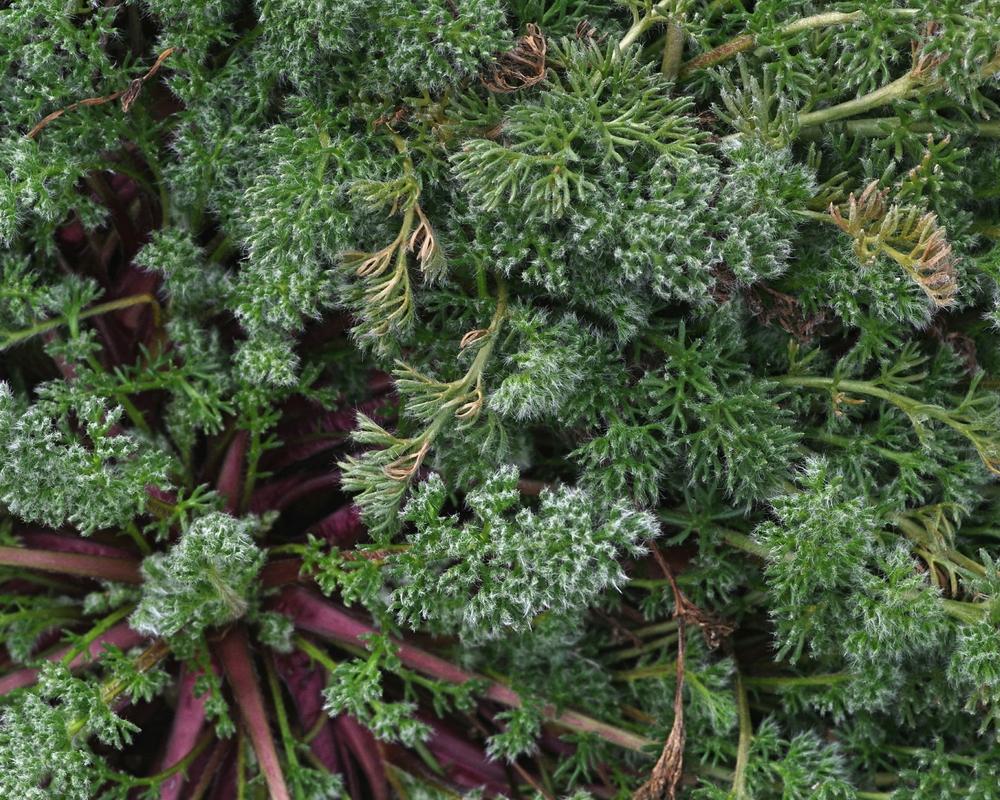
Anacyclus pyrethrum
Leaves basal, rosulate or alternate, cauline, twice- or three-times pinnately dissected, less often pinnately divided, with narrow, linear-lanceolate segments, dark green with a silvery tint.
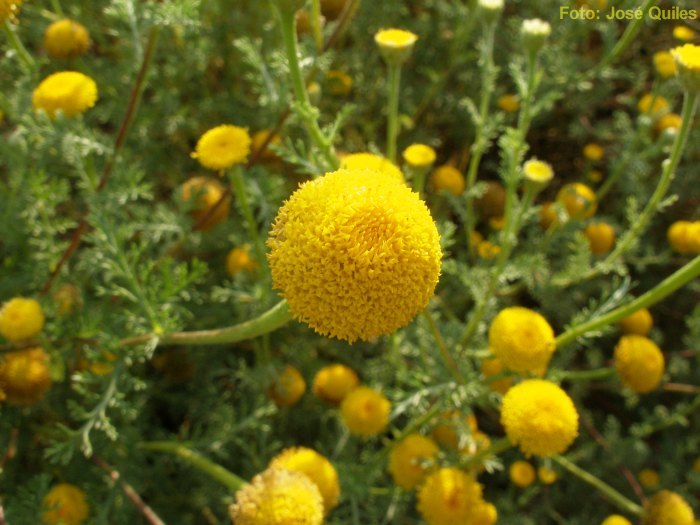
Flowers - solitary capitula up to 5 cm in diameter, superficially similar to chamomile flowers, edged with white ligulate (ray) florets, less often lacking them, and with yellow tubular bisexual fertile disc florets in the center. The receptacle is flat or conical, with scaly bracts. The involucre is hemispherical or broadly campanulate. Involucral bracts are arranged in several rows, imbricate, membranous. Blooms abundantly in July-August.
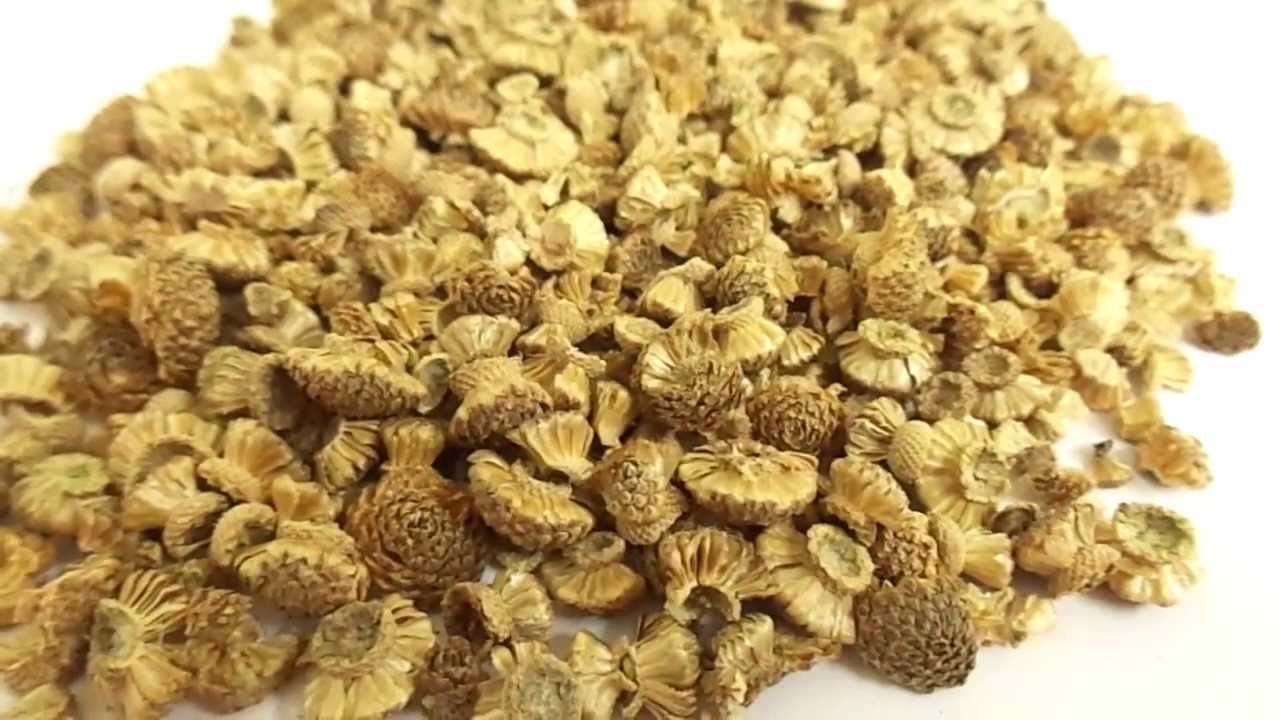
Anacyclus pyrethrum
Seeds small, obovoid, smooth, flattened. The outer achenes, arranged in a single row around the disc, are larger and have two broad translucent wings.
Species: according to The Plant List the genus includes 12 species. The most common in ornamental horticulture are 5 species:
- Анациклус булавовидный – Anacyclus clavatus Pers.
- Анациклус марокканский – Anacyclus maroccanus Ball.
- Анациклус лучистый – Anacyclus radiatus L.
- Анациклус депрессум или прижатый - Anacyclus depressus
- Анациклус пиретрум или Анациклус сжатый или Слюногон лекарственный или немецкая ромашка, или испанская ромашка - Anacyclus pyrethrum (L.) Lag.
Hardiness zone: 16b (-18°C).

Location / Position: heliophilous. Preferably planted in open sunny sites with a southern exposure. Drought-tolerant. Requires only moderate watering on very hot days. Undemanding, requires drainage or cultivation on light sandy soils. Can grow on any cultivated plots and retains ornamental value even on very poor soils. Some species are used medicinally.
Soil: drought-tolerant. Needs good drainage. Prefers calcareous, fertile but light and loose loams, enriched with leaf mold and with an adequate amount of sand added.
Diseases and pests: virtually unaffected.
Propagation: propagates well by seed, which are sown for seedlings in soil at the end of March - beginning of April; seedlings appear in 4-6 days.
Uses: an attractive plant that forms widely spreading, dense bushes with graceful foliage and numerous decorative capitula. Used in group plantings on lawns, in beds, mixed borders, rock gardens, and also for cutting.