
Deciduous trees
Silk tree
Albizia julibrissin Durazz
Synonyms: акация ленкоранская, альбиция ленкоранская, шёлковый куст, шёлковое дерево, гюль-эбришим, Acacia julibrissin (Scop.) Willd. = Albizia julibrissin ssp. Julibrissin, Acacia julibrissin var. mollis (Wall.) Benth. ex Baker = Albizia julibrissin ssp. mollis (Wall.) Ali & Saeeda Quraishi, Acacia mollis Wall. = Albizia julibrissin ssp. mollis (Wall.) Ali & Saeeda Quraishi, Acacia nemu Willd. = Albizia julibrissin ssp. Julibrissin, Mimosa arborea auct. non Linn.: Thunb. = Albizia julibrissin ssp. Julibrissin, Mimosa julibrissin Scop. = Albizia julibrissin ssp. Julibrissin, Альбиция обыкновенная
Silk tree (Albizia julibrissin Durazz.) is a species of trees of the genus Albizia (Albizia) in the family Fabaceae. The name was given in honor of Filippo del Albizzi, who first brought this plant to Europe in the 18th century. The specific epithet "julibrissin" is translated from New Persian as "silk flower." It was first described in 1772 by Antonio Durazzini in "Magazzino Toscano. Florence [Firenze] 3(4):11."
In nature it occurs in Iran, Turkey, the southeastern part of Azerbaijan, in China, Taiwan, Japan, India (Bhutan, northern India, Nepal, Kashmir), and in Southeast Asia (Burma). It is also found in Crimea.
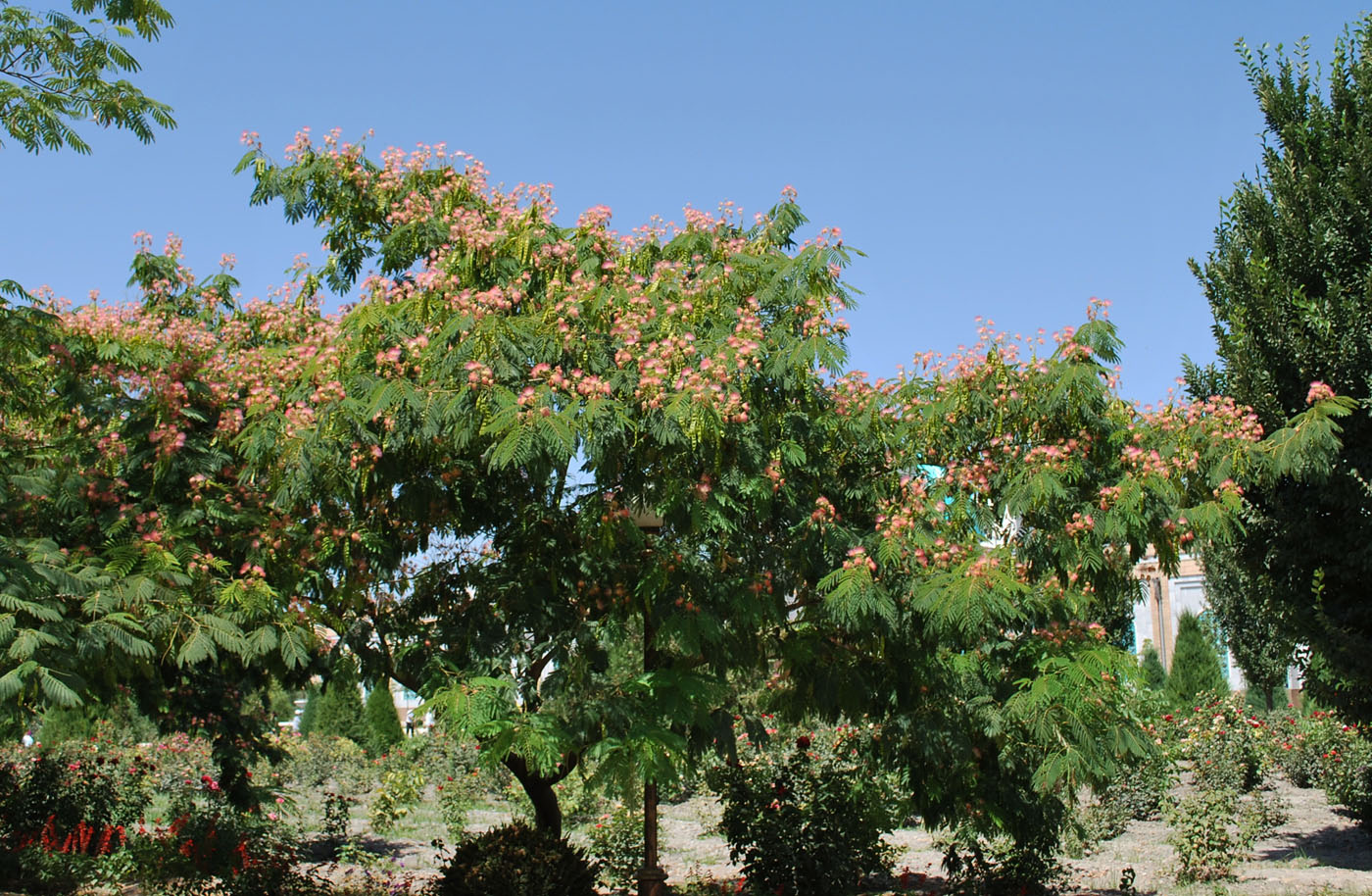
Photo by T.Tillaev
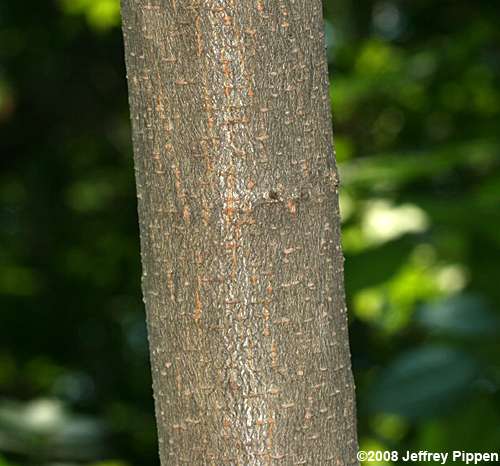
It is a deciduous tree 6–9 m high and 6–7 m wide with an umbrella-shaped spreading crown. Bark dark greenish-gray, developing vertical fissures with age. Lifespan 50–100 years. Fast-growing. Root system strong, superficial. Leafing occurs late, in mid-May. Leaves remain until November.
Leaves bipinnate, lacy, consisting of 9–14 pinnae. Each pinna contains 15—30 pairs of leaflets, which are borne on a secondary petiole. Leaves reach 20–40 cm in length and 12–25 cm in width. At night and in hot weather the leaves fold along the midrib, and the compound leaf droops. Leaflets are oblong, 1–1.5 cm long and 2–4 cm wide.
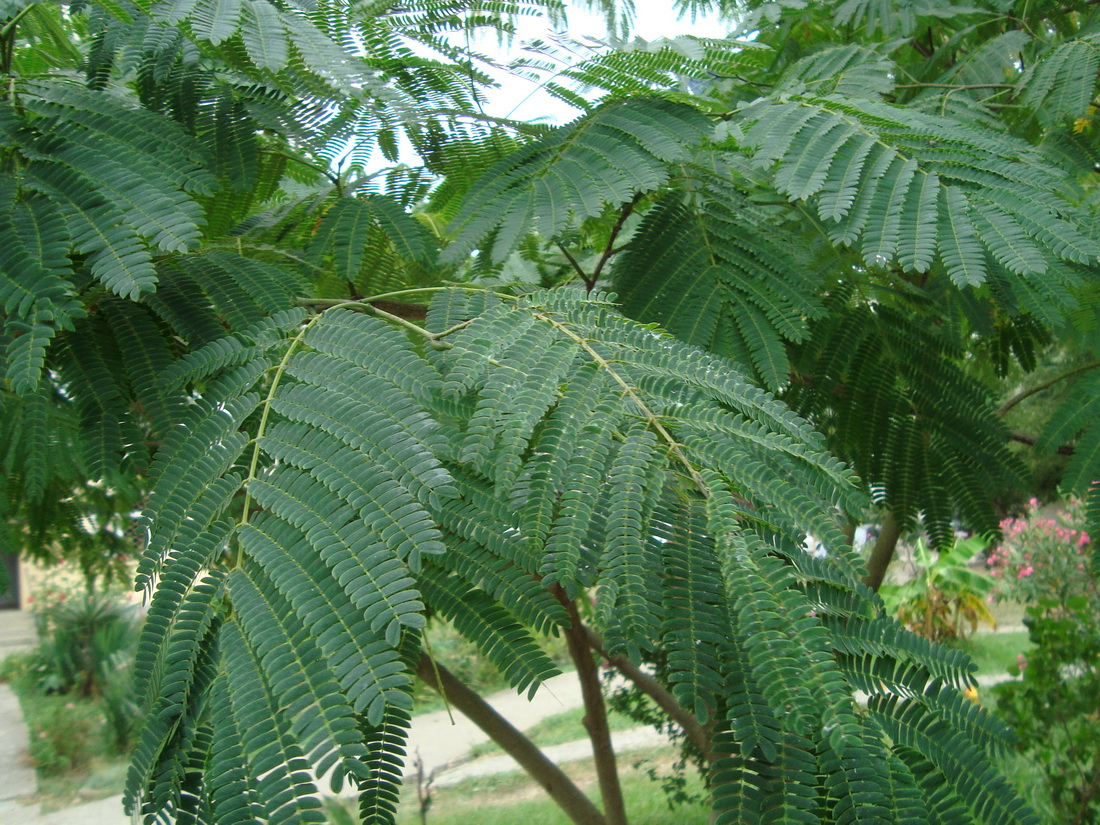
Photo by S.Steltov
Flowers yellowish-white, with 5-rayed symmetry, arranged in corymb-like panicles. Stamens long (2–3 cm), white with a pink base or pink. Blooms abundantly and for a long period, in July–August. Flowers have a strong pleasant fragrance.
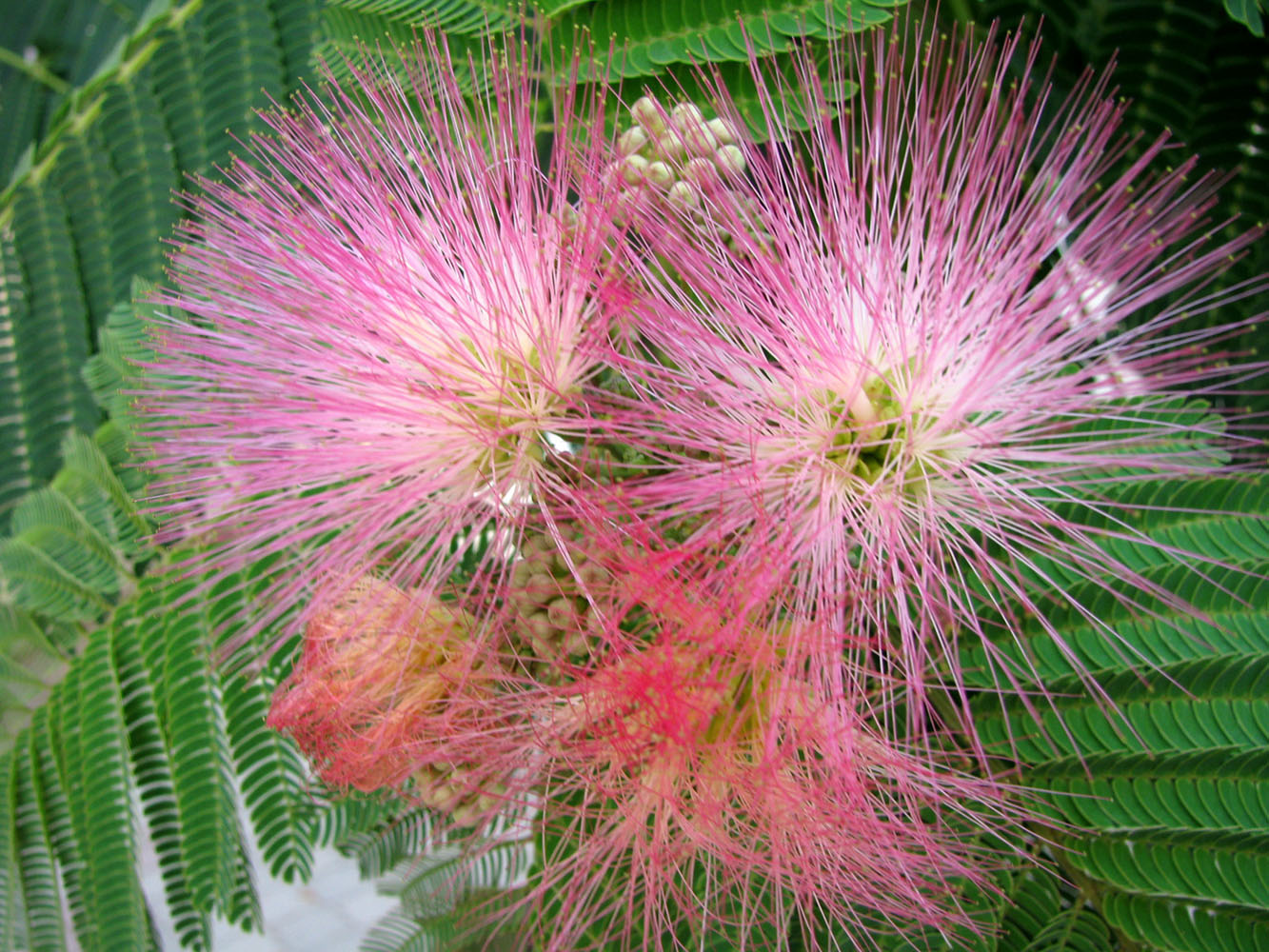
Photo by V.Papchenkov
Fruits are flat, many-seeded brown pods, 10–20 cm long and 2–25 cm wide.
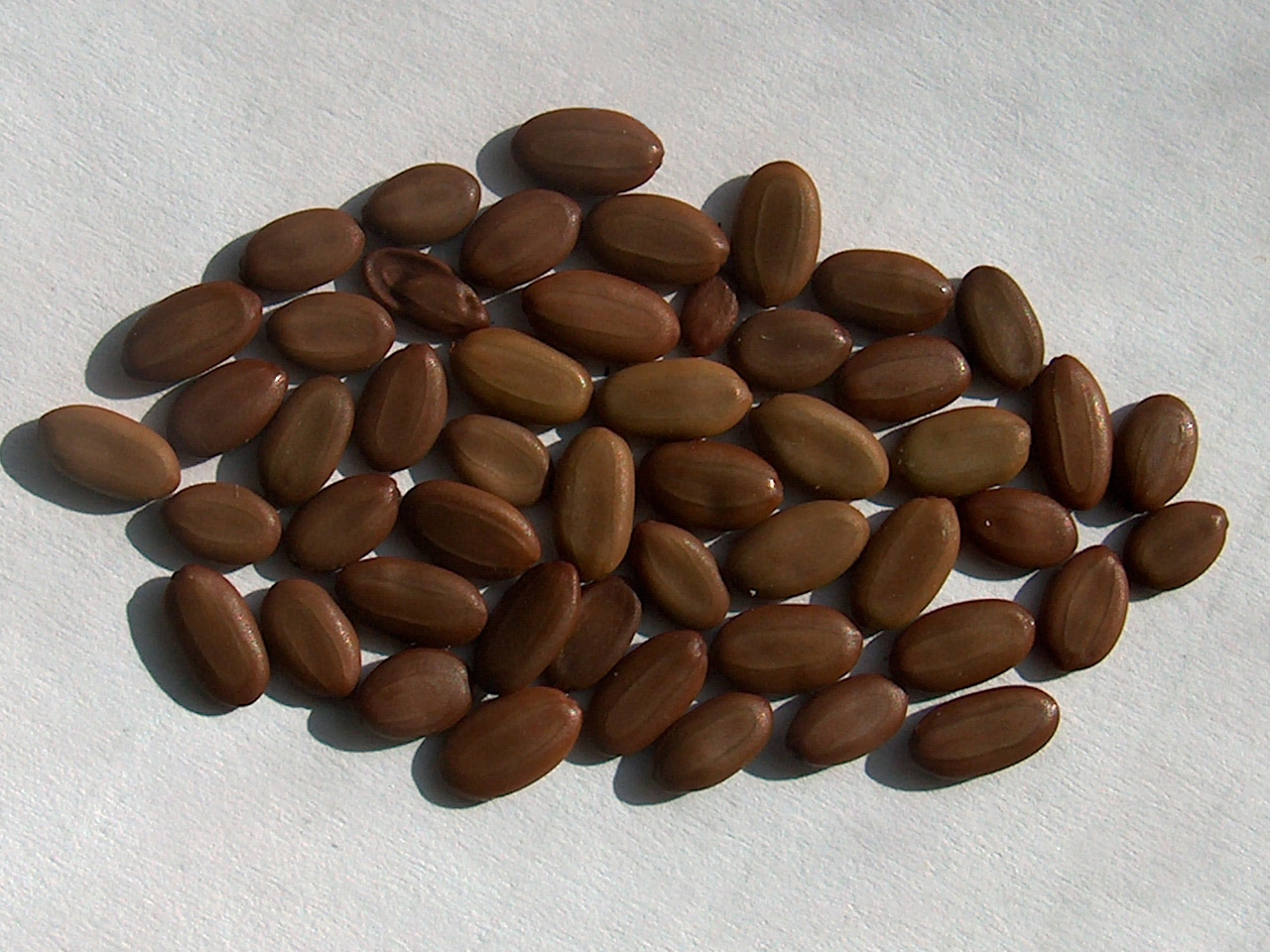
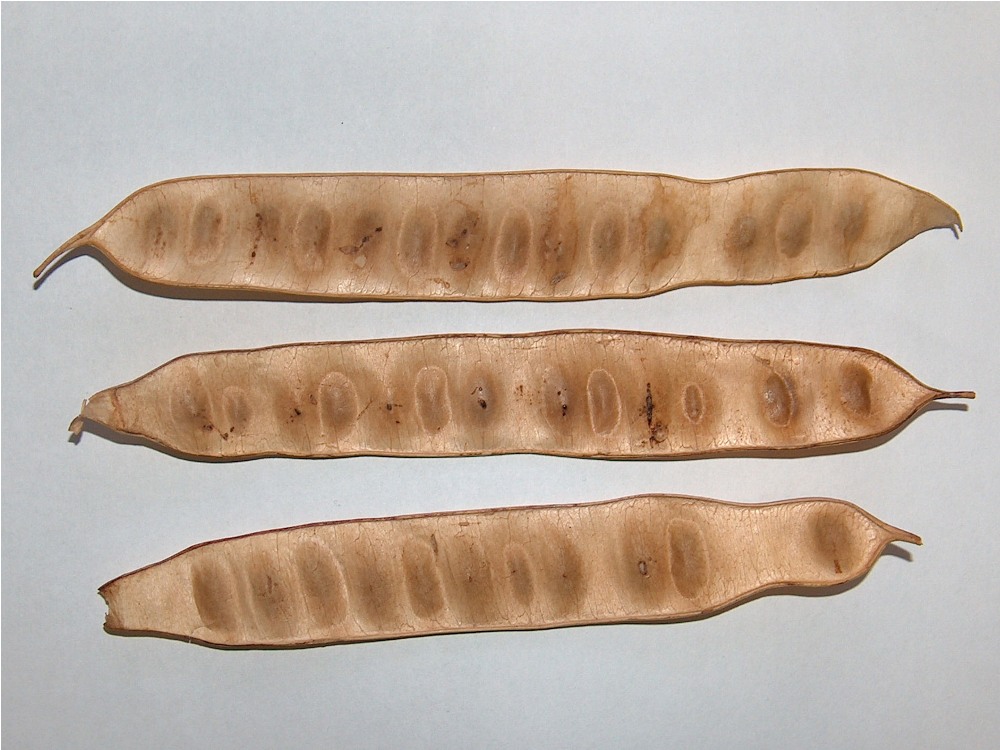
Photo by T.Tillaev
Varieties:
- Albizia julibrissin Durazz. var. julibrissin
- Albizia julibrissin Durazz. var. mollis (Wall.) Benth.
Cultivars: 'Summer Chocolate'
Hardiness zone: 6–10 (-15°C)
Location: prefers sunny sites, cannot grow in the shade of other trees. Moisture-loving, but mature trees tolerate short periods of drought.
Soil: prefers neutral soil. Soil mix: topsoil, peat and sand in a ratio of 3:2:1.
Planting: Planting in open ground is carried out in early May, into warm, sun-warmed soil, at a distance of 1.5–2 m from each other.
Care: practically requires no care.
Pruning: tolerates pruning well.
Diseases and pests: practically unaffected. In indoor conditions it may be affected by leaf spot and spider mite.
Propagation: by seeds, cuttings, root suckers and grafting. Seeds require a "hot" treatment (scarification/stratification). For this, seeds are soaked for 5–6 hours in hot water (60°C), after which they are sown. With autumn sowing, seed germination is about 80%. In the first year seedlings grow slowly and by autumn rarely reach 20 cm in height. Cuttings root moderately; both hardwood and softwood cuttings can be used. Take cuttings from the middle of a shoot with 2–3 buds, treat them with rooting stimulants and plant them in loose fertile soil in a permanent place. Rooting usually occurs within 3–4 months at about 70–80%. Green (softwood) cuttings are used in July. Cuttings are taken from the middle of a shoot with 2–3 buds, also treated with rooting stimulants, but 2/3 of the leaf blade is removed. It is necessary to closely monitor soil moisture, and usually by autumn 70–80% of cuttings are rooted. Vegetative propagation is used most often, as some trees produce root suckers that can be separated and transplanted.
Uses: used for decorating promenades, squares and parks. A good nectar plant. Also grown as a houseplant.