
Deciduous trees
Matsudana Corkscrew Willow
Salix matsudana Tortuosa
Synonyms: Salix matsudana Koidz. 'Tortuosa', Salix babylonica L. var. pekinensis A. Henry, Salix matsudana Koidz. forma tortuosa Rehder, Salix matsudana Koidz., ива штопорная, ива матсуды тортуоза, ива мастудана извилистая, ива мастуды извилистая, Salix matsudana Koidzumi, corkscrew willow, Salix matsudana f. tortuosa Rehder, Salix matsudana f. umbraculifera Rehder.
Matsudana Corkscrew Willow (Salix matsudana f. Tortuosa) – a striking form of Matsudana willow. Native to China and Korea. First introduced into cultivation in 1923 at the Arnold Arboretum (Harvard University, Boston, USA). It received its name the following year and was already offered for sale in U.S. nurseries by 1930.
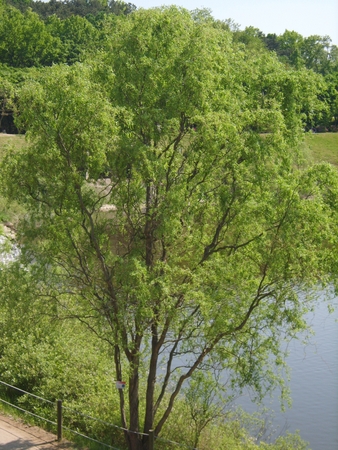
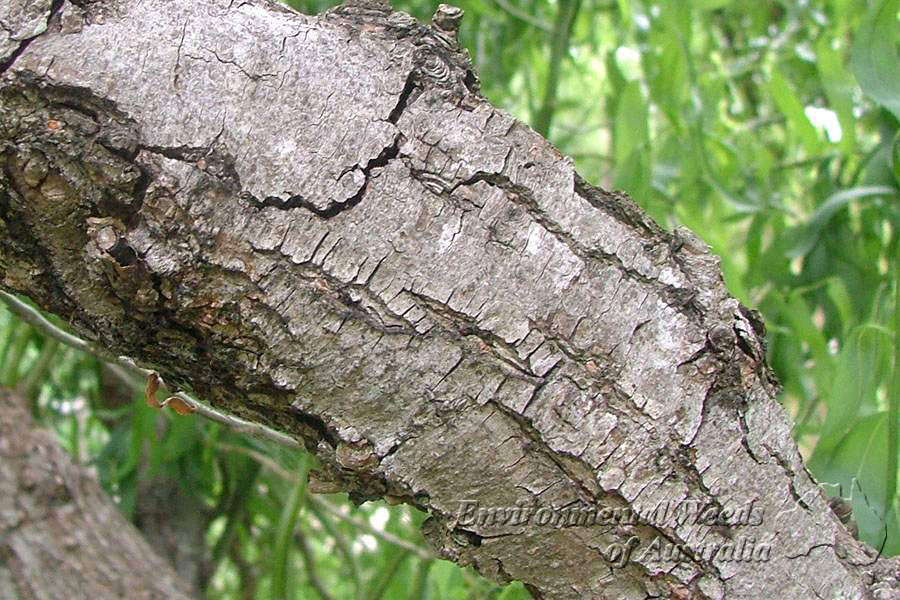
It is a deciduous tree 6-9 m high and 4-5 m wide, less often a shrub, with an initially conical, later broad-pyramidal open crown. Growth is slow, 20-30 cm per year. Branches and shoots are very decorative, slender, twisted in a spiral corkscrew shape, initially olive or yellowish, later gray-brown. The trunk is slightly sinuous, covered with rough, fissured brown bark. The twisted branching is more noticeable in winter, after leaf fall.
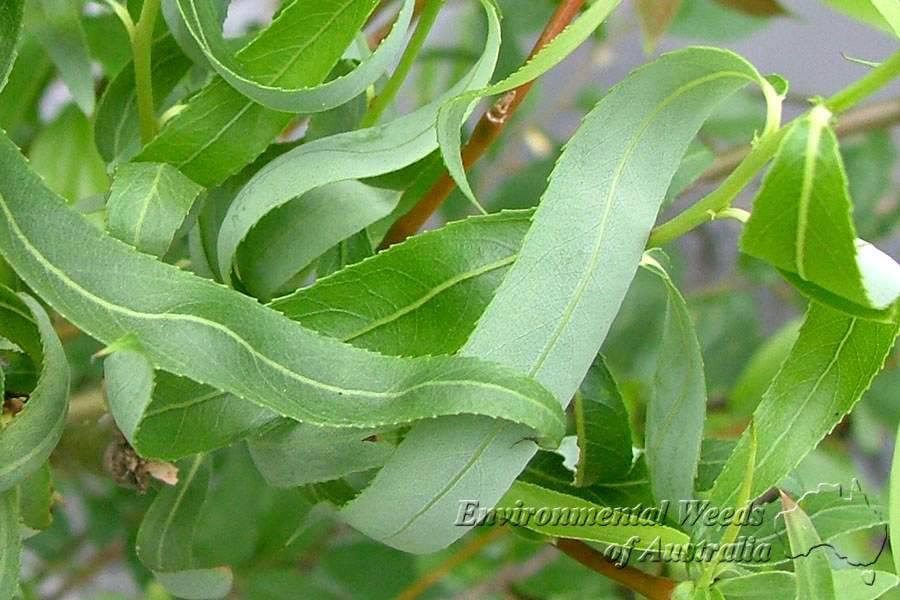
Leaves are alternate, narrowly lanceolate, 5-10 cm long, with a finely serrated margin, light green above, bluish or whitish below, slightly spirally twisted. In autumn they take on golden-yellow tones.
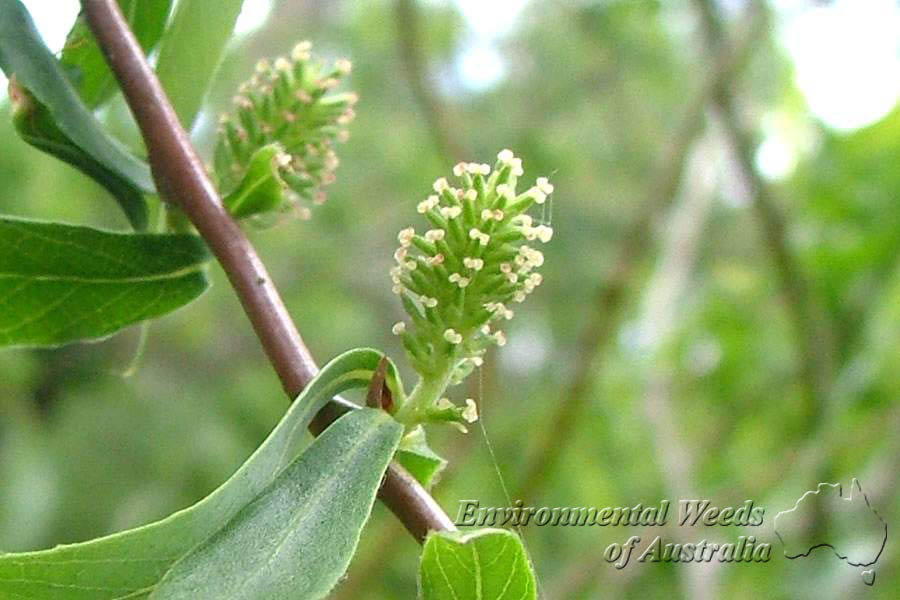
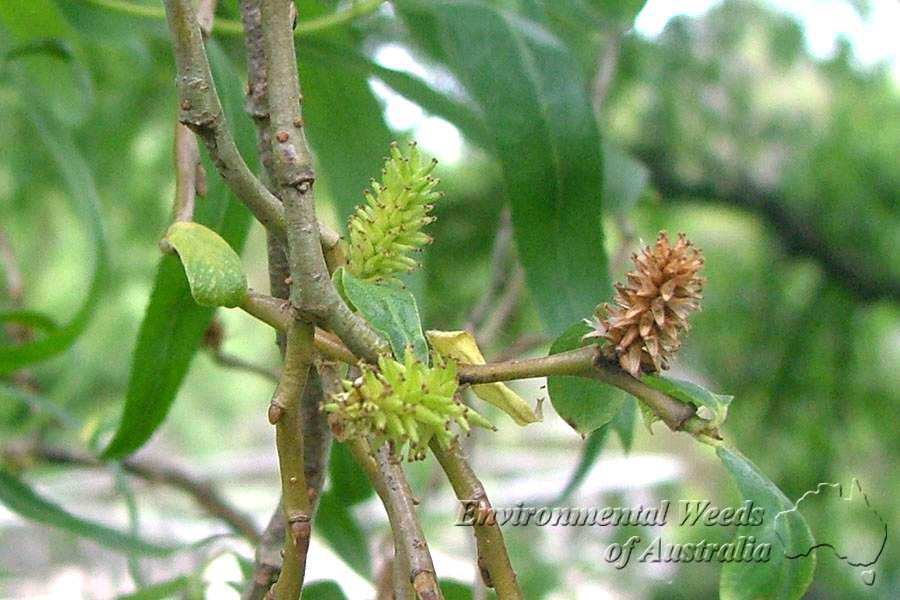
Flowers in April-May. Catkins gray-white, 1.5-2.5 cm long.
Hybrids: S. matsudana х Salix Alba 'Tritis' = Salix 'Golden Curls'
- S. matsudana х Salix Alba = Salix Scarlet Curls
- S. matsudana x S. babylonica
- Hardiness zone: 4b-8 (−29°C). In most of Ukraine shoots may be damaged by frost but recover quickly.

Location: prefers full sun but tolerates partial shade. Grows well in urban conditions. Not demanding regarding growing conditions. Requires a site sheltered from strong winds.
Soil: undemanding to soil, grows on any sufficiently moist soil with good drainage. Prefers fertile soil, though it can grow on poor and dry soils.
Planting: Best planted in spring before bud break. When establishing a "willow stand" (thickets of willow) it is recommended to work the soil in autumn to a depth of 30-80 cm, depending on its fertility and dryness. The top organic layer should be turned down. Recommended spacing between seedlings should be at least 0.6-2 m, depending on the species. Planting depth – 40-70 cm. Transplanting is recommended up to 3-4 years of age. On heavy soils drainage of gravel or sand 20-30 cm thick is recommended.
Pruning: tolerates clipping and pruning well.
Care: practically requires no care.
Propagation: readily propagated by cuttings.
Pests: longhorn beetles, willow leaf beetle (Lochmaea caprea), Crepidodera aurata, sawfly larvae (Trichiosoma sibiricum), lepidopteran caterpillars (Acleris cristana, Teleiodes notatella, etc.).
Diseases: affected by fungal diseases – fungi of the genera Melampsora, Rhytisma, Erysiphe, Phytophthora ramorum.
Uses: used as solitary specimens, for creating landscape corners, floral compositions, and for decorating water bodies.