
Deciduous shrubs
Hibiscus
Hibiscus L.
Synonyms: swamp mallow
Hibiscus (Hibiscus) – a large genus of plants in the mallow family (Malvaceae). The native range is considered to be the southeastern part of Asia. The name originates from an ancient Greek name. In cultivation since the late 14th century. Includes wild and cultivated plants.
Found in subtropical and tropical regions – in Africa, the Americas, Europe. Gardeners cultivate them in sharply continental climates. In America they form thickets on moist floodplain meadows. On the Hawaiian Islands it is considered a national plant and is called «the flower of beautiful women».
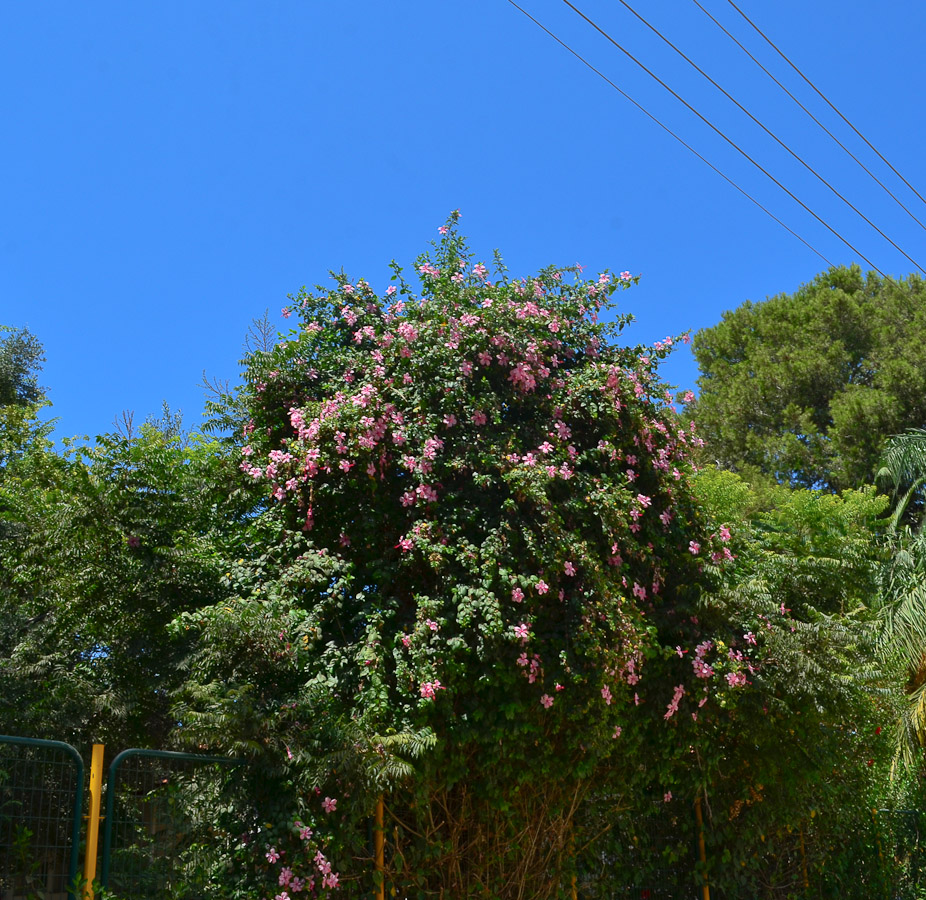
Chinese hibiscus or China rose (Hibiscus rosa-sinensis L.)
Members of the genus are shrubs or trees, annual or perennial herbaceous plants with glabrous or rough-hairy branches covered densely with stellate hairs. They grow quickly.
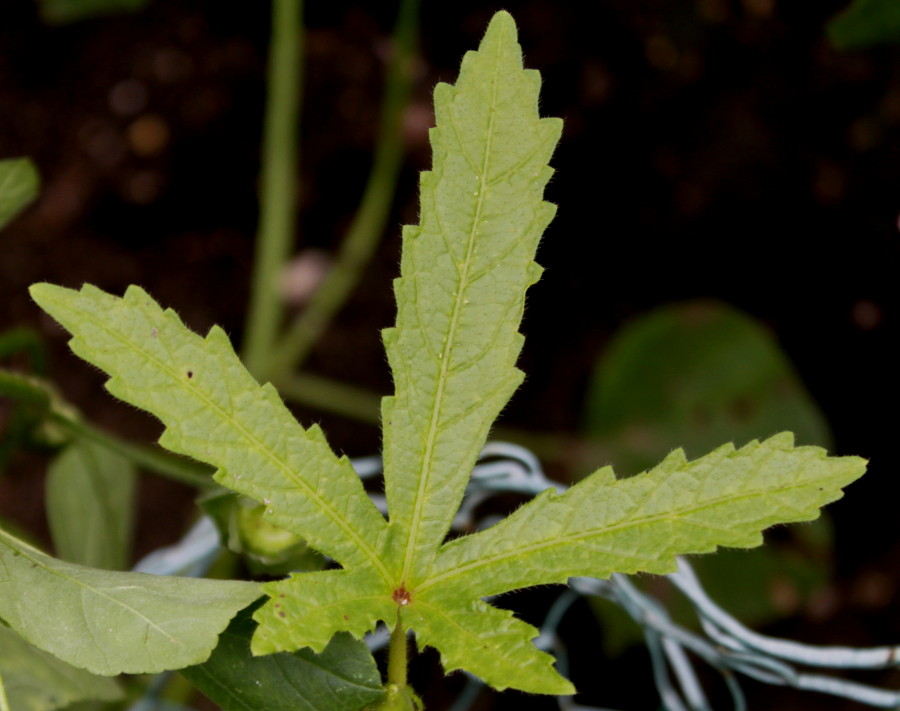
Edible hibiscus or Abelmoschus esculentus (Hibiscus esculentus L.)
Leaves alternate, of various shapes, palmately lobed or palmately divided, with stipules, petiolate.
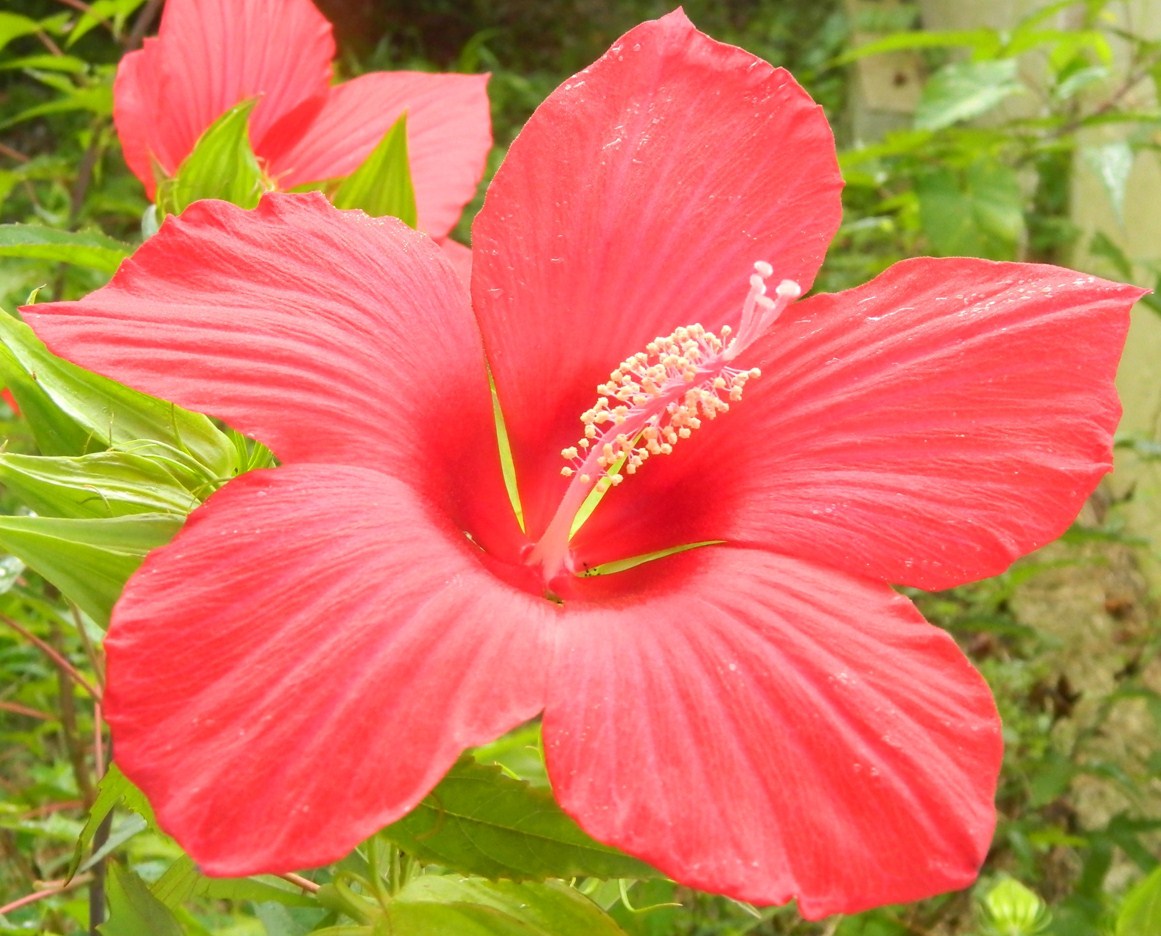
Bright-red hibiscus or red hibiscus (Hibiscus coccineus)
Blooms from June–July throughout the summer. Flowers numerous, short-lived, usually large, glossy, bright, solitary or in clusters, growing in leaf axils, less often aggregated at the shoot tips. The epicalyx consists of several or numerous bracts that are fused at the base, rarely free. Calyx five-lobed. The corolla is broadly campanulate (bell-shaped). Petals 5, broadly ovate, often darkly colored at the base. Filaments of the stamens are fused into a long tube, fused at the base with the claws of the petals. The upper edge of the staminal tube is truncate or five-toothed, bearing numerous anthers. The style is long, apically five-parted, with 5 capitate stigmas.
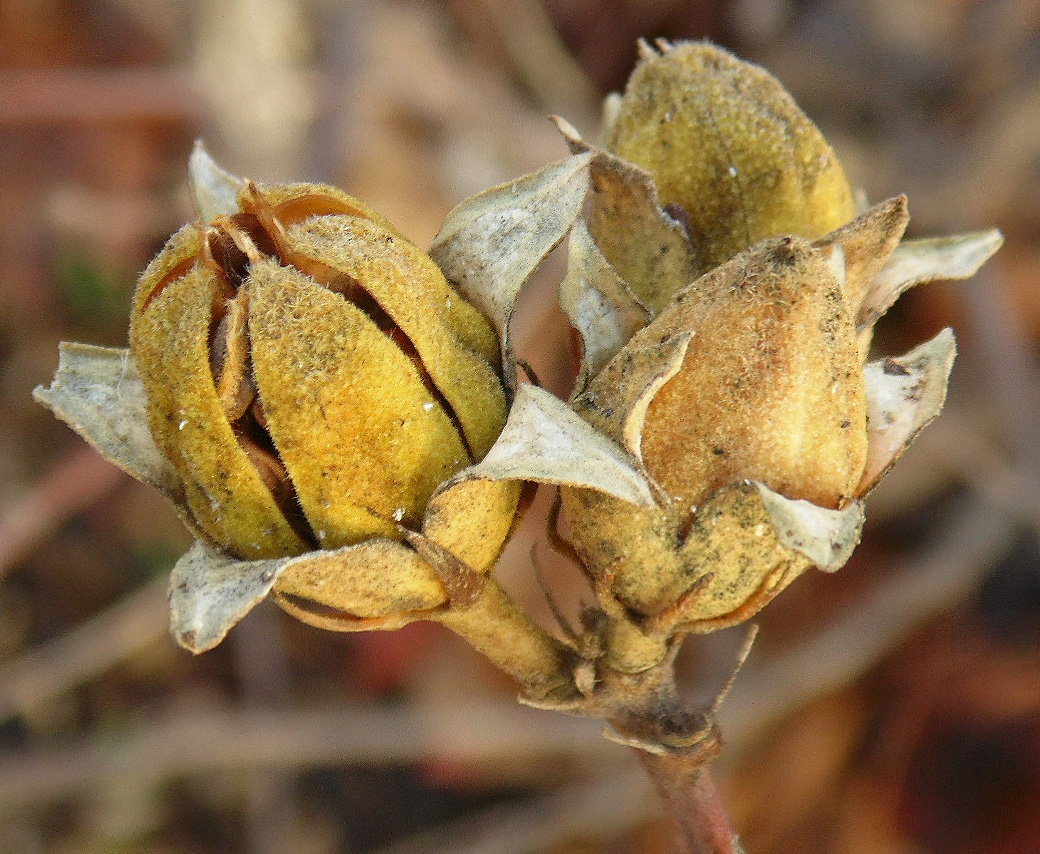
Hibiscus syriacus (Hibiscus syriacus)
Fruits – many-seeded, five-celled capsules, opening by 5 valves. Seeds numerous, smooth or with down, more rarely with fibers.
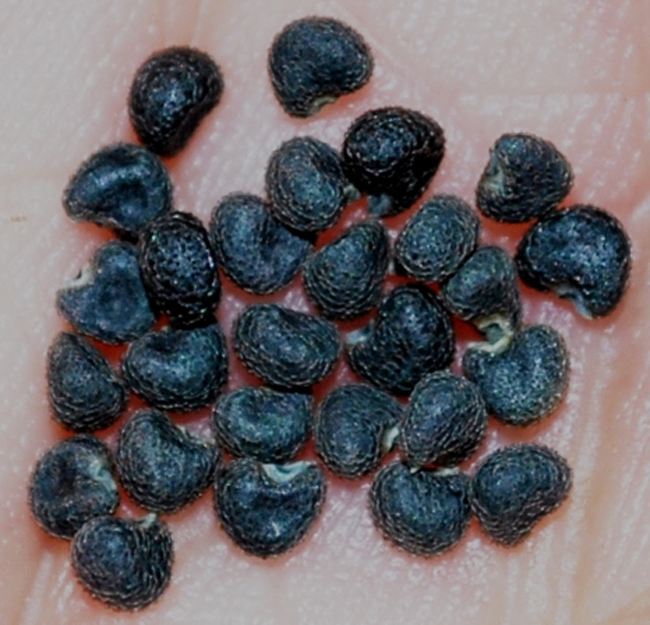
Three-parted or bladder hibiscus (Hibiscus trionum L.)
Species: according to various sources the genus includes from 150 to 300 species. In ornamental horticulture 38 species are used.
The most popular in ornamental horticulture:
- Sour hibiscus – Hibiscus acetocella Welw ex Hiern.
- Variable-leaved hibiscus – Hibiscus diversifolius Jacq.
- Halberd-leaved hibiscus – Hibiscus militaris Cav.
- Common, swamp hibiscus – Hibiscus moscheutos L.
- Syrian hibiscus, Syrian rose – Hibiscus syriacus L.
- Three-parted, African hibiscus – Hibiscus trionum L.
Hardiness zone: there are varieties rated to zone 5b. Optimal moderate temperatures in the spring-summer period are 18-22°C; in the autumn-winter period 14-16°C; below 10°C they shed their leaves.

Site/Exposure: sun-loving, but should be shaded from the midday sun. Moisture-loving and demanding of air humidity. Can grow on waterlogged soils. Prefers loose, light, permeable loams mixed with peat, coarse sand or charcoal. Requires protection from cold winds and stagnant cold air, preferably planted near a south-facing wall.
Planting: plant in early spring, before the plant flowers.
Care: in the spring-summer period it is recommended to apply nitrogen-containing mineral fertilizers to stimulate flowering. In autumn apply phosphorus-potassium fertilizers.
Pruning: sanitary pruning is applied. In tree-like species pruning to stimulate branching and flowering is performed by cutting back shoots by 2/3 or by ½.
Propagation: propagated by seeds sown for seedlings. Seedlings should be planted outdoors in spring after the threat of late frosts has passed. Perennial species can also be propagated by dividing the clump. Shrubs are best propagated by cuttings, which root quickly and easily in early autumn under a jar. Shrubs can also be propagated by layering, grafting, and less often by seeds.
Diseases and pests: spider mite, aphids, thrips, whitefly. Hardly affected by diseases.
Uses: striking due to large bright flowers and ornamental leaves. Widely used in landscape design for borders, flowerbeds, in group plantings on lawns, near water bodies, in mixed borders, as living screens, and for decorating walls or hedges. In southern regions used to create freely growing hedges and alleys; also effective in standard (tree) form. Unsuitable for cutting (as cut flowers). Also used in greenhouse or indoor culture. The beverage Karkade is made from Hibiscus sabdariffa. Seeds, leaves and fruits are used in medicine. Necklaces are made from the seeds. Black and purple dyes are obtained from the flowers.